Rúben Amorim confirms Luka Modric will start for Milan against Inter while insisting the Croatian must compete for his place like every teammate.
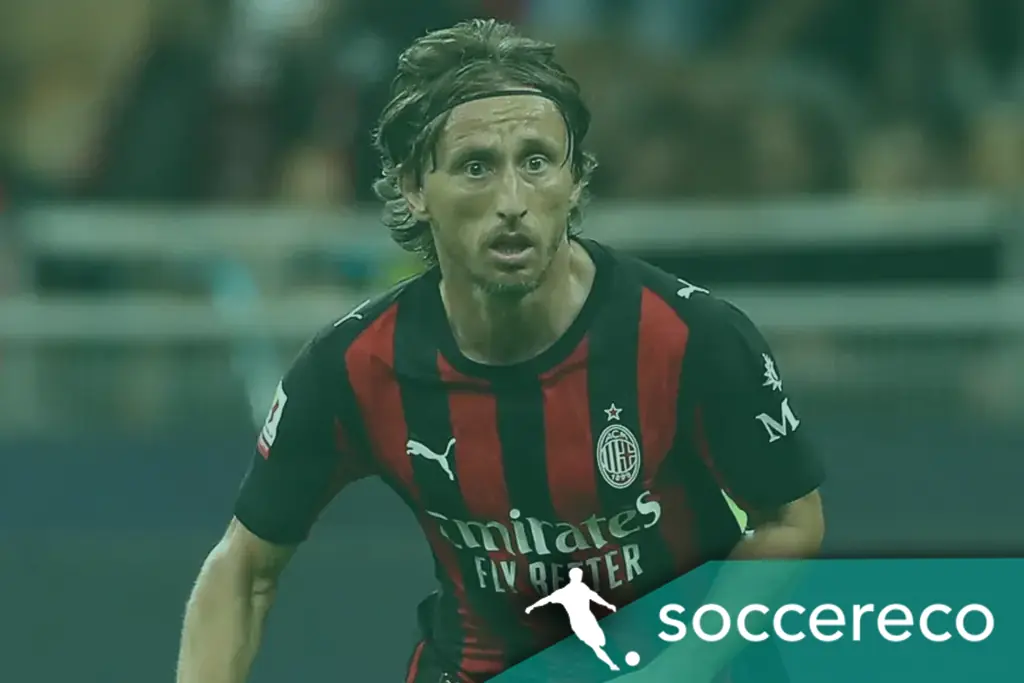
Rúben Amorim Confirms Luka Modric Will Start for Milan Against Inter
Rúben Amorim has confirmed that Luka Modric will be included in Milan’s starting line-up for Wednesday’s meeting with Inter, scheduled for 5 August. The Portuguese coach announced his decision during the pre-match press conference, although he was quick to reject the suggestion that the experienced Croatian enjoys a privileged status within the squad.
Modric’s presence naturally attracts considerable attention. The midfielder has enjoyed an extraordinary career at the highest level, winning major domestic and international trophies while establishing himself as one of the most respected players of his generation. However, Amorim insisted that reputation alone will not guarantee him a permanent place in the team.
The Milan coach wants every member of the squad to be judged according to the same standards. Although he acknowledged Modric’s exceptional quality and enormous experience, Amorim explained that the Croatian will still need to compete with his teammates and demonstrate that he deserves to remain in the starting eleven.
“Luka is very humble and does not like all the attention he receives. He has enormous experience, and I will treat him like any other player. He will have to fight for his place, but of course he is a special player. We worked very hard to keep him with us for at least one more season. I am very happy with him,” Amorim said.
Modric Confirmed for the Derby
The decision to start Modric against Inter provides an early indication of the importance Amorim expects the midfielder to have during the new season. Matches between Milan and Inter are always emotionally intense, regardless of whether they take place during a competitive campaign or as part of pre-season preparations.
The derby offers Amorim an opportunity to evaluate how Modric performs in a demanding midfield battle. Inter are likely to press aggressively, compete strongly for possession and attempt to exploit any weaknesses in Milan’s organisation. In that type of match, the Croatian’s composure and tactical intelligence could become extremely valuable.
Modric has spent much of his career operating under intense pressure. He is comfortable receiving the ball in crowded areas, protecting possession and finding passing options even when opponents attempt to close him down quickly.
Those qualities should help Milan control the rhythm of the match. Amorim’s teams generally require midfielders who can understand space, move the ball efficiently and make intelligent decisions rather than relying only on physical strength.
Starting Modric against Inter will also allow the coach to observe how the veteran combines with his new teammates. The relationships between midfielders often require time to develop, particularly when one player has recently arrived or is adjusting to a different tactical structure.
Amorim Rejects Special Treatment
Despite confirming Modric’s place in the line-up, Amorim was careful to avoid creating the impression that the Croatian will automatically start every match. His comments reflected a desire to protect the balance of the dressing room and reinforce the idea that selection must be earned.
Managing a player with Modric’s reputation requires sensitivity. His achievements command respect, but allowing one individual to appear more important than the group can create tension among teammates.
Amorim therefore chose to praise Modric while also establishing clear boundaries. The midfielder is special because of his quality, experience and career, but he remains part of a collective structure in which every player is expected to compete.
The Portuguese coach’s message was directed not only towards Modric but also towards the rest of the squad. Younger players and those competing for similar positions need to believe that strong performances in training will give them a genuine opportunity.
If Modric were guaranteed a place regardless of his form or fitness, that competition could disappear. By insisting that the Croatian must fight for his position, Amorim is attempting to maintain motivation throughout the midfield department.
A Humble Personality Behind the Reputation
Amorim also highlighted Modric’s humility, describing him as a player who does not enjoy excessive attention. That characteristic may help him integrate into the squad despite arriving with a status few footballers can match.
Some players with major reputations expect special treatment, but Modric has generally been recognised for his professionalism and understated personality. He prefers to influence matches through his football rather than through public statements or displays of individual importance.
That attitude should make Amorim’s task easier. A player who accepts the coach’s authority and respects the collective structure can become an important example for younger teammates.
Modric’s behaviour in training may be almost as valuable as his performances in matches. Young midfielders can observe how he prepares, communicates and responds to difficult situations.
His presence can therefore influence Milan even when he is not on the pitch. The standards established by a player with his experience can raise the level of the entire training environment.
Why Milan Worked Hard to Keep Him
Amorim revealed that Milan made a significant effort to keep Modric for at least one more season. That decision suggests that the club value much more than his public profile.
At this stage of his career, Modric may not be expected to complete every minute of every match. However, his ability to understand decisive moments can be especially important during a long season.
Milan will face different tactical challenges. Some opponents will defend deeply and force the team to circulate possession patiently, while others will press aggressively and attempt to create a fast, physical contest.
Modric’s experience gives Amorim an option for both types of match. He can slow the game down when Milan require control, but he can also accelerate the attack with an early forward pass.
Keeping him also provides greater depth. Injuries, suspensions and fixture congestion mean that successful teams cannot depend on a small number of midfielders.
Even if Modric is not selected for every match, his presence gives Amorim another high-quality option capable of starting important fixtures or entering from the bench when the team needs greater composure.
A New Tactical Role Under Amorim
One of the most interesting questions concerns the role Amorim intends to give Modric. The Croatian has played in several midfield positions throughout his career, adapting his game according to the needs of the team.
He can operate as a deep-lying midfielder responsible for beginning attacks, although that role requires defensive protection from the players around him. He can also play slightly further forward, receiving possession between the opposition midfield and defensive lines.
Another possibility is that Amorim uses him as part of a two-player midfield, where his technical qualities could be combined with a more physical or defensively aggressive teammate.
Regardless of the exact position, Modric is likely to be given responsibility in the build-up phase. His passing range allows him to move the ball through pressure and switch play towards areas where Milan have greater space.
His intelligence can also help the team manage difficult moments. Experienced midfielders understand when to take risks, when to retain possession and when to interrupt the rhythm of the opposition.
Experience for a Demanding Season
Milan’s decision to keep Modric reflects the demands of competing across several competitions. Domestic league matches, cup fixtures and European commitments require a squad containing both youthful energy and experienced leadership.
Young players can provide intensity and athleticism, but they may struggle when matches become emotionally or tactically complicated. Modric has experienced almost every possible situation at elite level.
He has played in finals, title-deciding matches and difficult away fixtures where possession is limited and concentration becomes essential. That background gives him a calmness that cannot easily be taught.
During moments of pressure, teammates may look towards him for guidance. A short conversation, a change in positioning or a deliberate period of possession can help the team regain control.
That influence is one of the main reasons experienced players remain valuable even when they no longer possess the same physical capacity they had earlier in their careers.
The Challenge of Physical Management
Amorim will need to manage Modric carefully throughout the season. The midfielder’s technical quality remains exceptional, but his workload must be controlled to ensure that he is available for the most important matches.
Starting him against Inter does not necessarily mean that he will play the entire match. The coaching staff may already have decided how many minutes he should complete as part of his physical preparation.
Recovery will also be important. Matches played with only a few days between them may require rotation, particularly during periods when Milan are competing domestically and in Europe.
Amorim’s statement that Modric must fight for his position can therefore be understood in both sporting and physical terms. The coach wants genuine competition, but he must also avoid placing excessive demands on the player.
Using Modric intelligently could increase his influence rather than reduce it. Selecting him for the matches in which his qualities are most valuable may allow Milan to benefit from his experience throughout the entire campaign.
Inter Provide an Immediate Test
Facing Inter offers a strong early test for Milan’s midfield. The rivals are familiar with each other, and even minor tactical weaknesses can be punished quickly.
Inter are likely to challenge Milan’s ability to play through pressure. Modric may be asked to receive the ball close to his own defence before finding a route into midfield.
His awareness should help him identify where the pressure is coming from before possession reaches him. That ability to think ahead is one of the defining characteristics of his game.
The Croatian will also need support. No midfielder, regardless of experience, can control a match alone if the distances between teammates are too large.
Amorim will therefore be assessing the entire structure around Modric. The movements of the defenders, wing-backs, midfield partners and attacking players must create safe passing options.
The match against Inter could provide valuable information about how Milan intend to build their attacks and how Modric fits within that plan.
Leadership Without Star Privileges
Amorim’s comments suggest that he wants Modric to become a leader without receiving privileges that separate him from the group. That distinction could be important for Milan’s dressing-room culture.
Leadership does not always require an official title or constant public attention. It can be demonstrated through preparation, decision-making and behaviour during difficult moments.
Modric’s calm personality may allow him to influence the squad naturally. He does not need to dominate conversations or demand recognition for teammates to understand his importance.
At the same time, Amorim wants the responsibility for results to remain collective. Milan’s success cannot depend entirely on one player, particularly one who is approaching the final phase of an extraordinary career.
The coach’s rejection of star status protects Modric as well as the rest of the team. It reduces the expectation that he must solve every problem and allows other players to accept responsibility.
Competition in the Milan Midfield
Modric’s arrival and continued presence increase the competition for midfield places. Every player will need to convince Amorim that he offers the correct qualities for a particular match.
Some midfielders may be more suitable for games requiring intensity and physical duels. Others may be preferred when Milan expect to dominate possession and face a compact defence.
Modric’s versatility allows him to contribute in several situations, but Amorim’s comments make clear that reputation will not remove the need to perform consistently.
This competition can improve the squad if it is managed correctly. Players must feel challenged without believing that selection decisions are predetermined.
Training sessions should become more demanding, as every midfielder understands that a strong performance could influence the coach’s next line-up.
A Valuable Example for Younger Players
Modric’s presence may be especially beneficial for Milan’s younger midfielders. They have the opportunity to work daily alongside a player who has demonstrated extraordinary consistency at the highest level.
Technical details such as body position, scanning before receiving the ball and controlling the speed of a pass can be learned through observation.
Younger players can also study how Modric protects possession despite not relying primarily on physical power. His success comes from intelligence, balance and timing.
He regularly understands where the next challenge will arrive and moves the ball before the opponent can apply full pressure.
Those habits could influence Milan’s next generation of midfielders long after Modric eventually leaves the club.
Amorim Establishing His Authority
The way Amorim discussed Modric also reveals something about his own management style. The Portuguese coach appears determined to establish authority without disrespecting the achievements of senior players.
He openly praised the Croatian and expressed happiness at having him in the squad. However, he also made clear that the team’s internal rules apply to everyone.
That balance is essential when managing an elite dressing room. A coach who ignores the status of experienced players can create unnecessary conflict, while one who gives them excessive power may weaken his own authority.
Amorim’s approach is based on respect combined with competition. Modric will be valued for what he has achieved, but selected according to what he can currently contribute.
The success of that approach will depend on communication. Experienced players usually accept rotation more easily when the reasons are explained clearly and the selection process remains consistent.
Expectations Surrounding Modric
Supporters will naturally be excited to see Modric in Milan colours against Inter. His name carries enormous prestige, and every appearance will attract attention.
However, expectations must remain realistic. He should not be judged according to the physical standards of a midfielder at the beginning of his career.
His contribution is likely to be measured through control, passing, positioning and influence rather than constant running or repeated high-intensity actions.
There may be matches in which his importance is obvious through goals or assists. In others, his greatest contribution may be helping Milan maintain possession and reducing the opponent’s attacking opportunities.
Amorim appears to understand that distinction. By treating Modric as a normal member of the squad while recognising his special qualities, the coach is attempting to create appropriate expectations.
A Derby Opportunity to Send an Early Message
Wednesday’s match offers both Milan and Modric the chance to send an early message ahead of the new campaign. A strong performance against Inter would increase confidence and provide evidence that the Croatian can still influence demanding matches.
For Amorim, the encounter represents another opportunity to develop his tactical ideas and assess the balance of the team.
The result will matter because of the rivalry, but the coach will also be interested in the quality of Milan’s organisation. He will examine how the team presses, defends transitions and creates opportunities.
Modric’s role will be central to several of those areas. His positioning can help Milan control possession, while his passing may determine how effectively the team escapes pressure.
Modric Begins Another Important Season
The decision to keep Modric for at least one more season demonstrates Milan’s belief that he still has a meaningful role to play. The club did not make that effort simply to retain a famous name.
Amorim expects the midfielder to compete, contribute and help the team pursue its objectives. At the same time, the coach intends to manage him according to the same principles applied to the rest of the squad.
That combination of respect and accountability could provide the ideal environment for Modric. He remains a special player, but his influence will be integrated into the collective rather than placed above it.
His confirmed start against Inter will provide the first major indication of how Amorim plans to use him. Supporters will be watching his position, movement and relationship with the other midfielders closely.
For Milan, the hope is that Modric’s experience can add calmness, quality and leadership during a demanding season. For the player, the challenge is to demonstrate that he can continue competing at the highest level without relying on his reputation.
Amorim’s message was therefore both complimentary and firm. Modric is admired, respected and considered special, but he must still earn his place like every other member of the team. Wednesday’s derby against Inter will offer him the first opportunity to do exactly that.