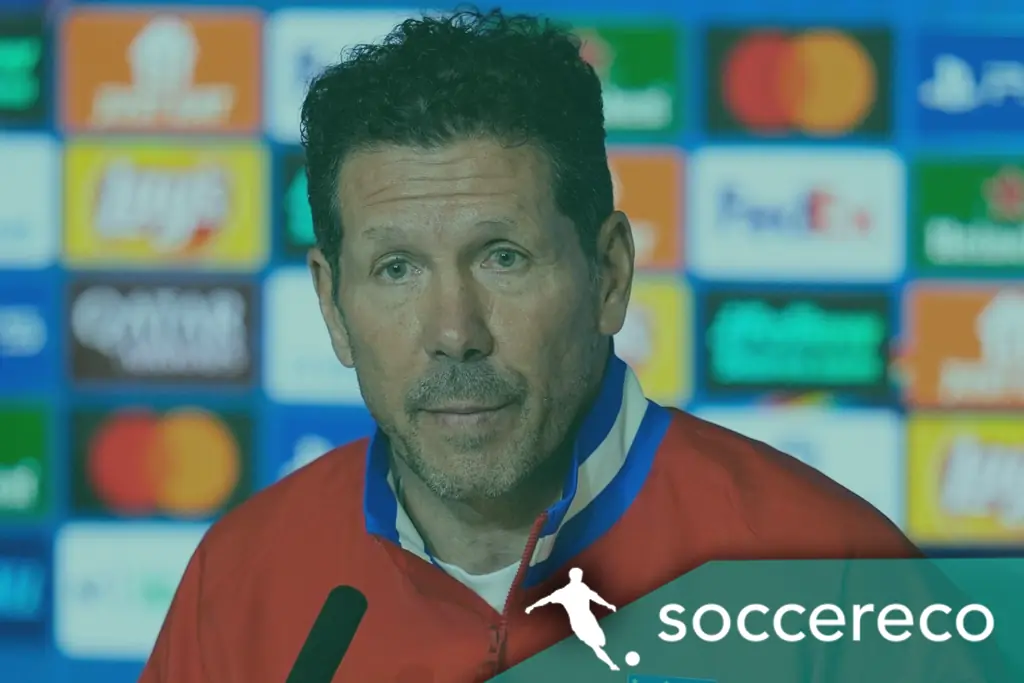
FC Porto has issued a statement about the quality of refereeing in Portugal. Earlier, head coach Francesco Farioli strongly criticised the referee in the match between FC Porto and Famalicão. Porto fully supports his view and believes there is a bigger problem.

FC Porto have escalated their public criticism of refereeing standards in Portugal, issuing a forceful statement that frames the current climate as a worsening crisis of trust within the officiating ecosystem.
In the club’s view, the problem is no longer limited to isolated incidents or a single controversial call. Instead, Porto argue that a pattern of contentious and difficult to explain decisions is eroding confidence across the game, affecting institutions, clubs and supporters, and ultimately putting the perceived sporting integrity of domestic competitions under pressure.
The timing of the statement is significant. It follows a week in which Portuguese football once again found itself dominated by debate about referees and video review, rather than match performances. Porto’s message aligns with the earlier frustration expressed by head coach Francesco Farioli after the match against Famalicão, where he criticised the referee’s handling of key moments. Porto have now gone a step further by formally endorsing that criticism and presenting it as part of a broader institutional failure that must be confronted at the highest level of Portuguese football governance.
Central to Porto’s argument is the claim that the standard of officiating has fallen to an unacceptably low level. They point to recurring controversies and decisions that they consider incomprehensible, suggesting these incidents are not merely damaging individual matches but are gradually weakening the credibility of competitions. When a club frames the situation in these terms, the implication is that the issue has moved beyond technical refereeing mistakes and into the realm of trust, accountability and governance. The language used is designed to resonate not only with their own fans but also with any stakeholder who believes that the league’s reputation depends on predictability, consistency and transparency in officiating.
Porto’s statement also targets the gap between promises and delivery following the most recent Portuguese Football Federation elections. According to Porto, the elections came with assurances of meaningful renewal in refereeing, including reforms that would modernise decision making and raise standards. Porto’s conclusion is blunt: they see the results as disappointing. This is a direct challenge to federation leadership because it implies that either the promised reforms were not implemented with sufficient urgency, or that the measures taken have failed to produce visible improvements on the pitch.
A key figure referenced by Porto is Pedro Proença, the federation president and a former elite referee. Porto’s reasoning is clear: if the federation is led by someone with top-level officiating experience, then there should be both the expertise and the authority to intervene decisively. Porto are effectively calling for the federation’s leadership to treat refereeing performance and referee governance as a priority issue, rather than as a recurring controversy that can be managed with short-term messaging.
Although Porto’s statement mentions individuals within the federation and the referees’ committee, the underlying demand appears structural rather than personal. Clubs that make this kind of intervention typically want clearer lines of responsibility and an officiating system that is seen to be independent, professionally managed and accountable when standards slip. In modern football, this debate often extends to how referees are assessed, how appointments are made, how VAR protocols are applied, and whether communication with clubs and the public is sufficiently transparent to restore trust after high-profile disputes.
Porto’s emphasis on credibility is also a warning about the wider consequences of continuous officiating controversy. When referees become the central storyline, the product on the pitch suffers. Supporters stop discussing tactics, player development and sporting achievement, and instead focus on governance and perceived injustice. Over time, this can diminish confidence in competition outcomes, intensify hostility inside stadiums, and place referees under greater pressure, which in turn can negatively affect performance. FC Porto are signalling that Portuguese football risks entering a negative cycle in which controversy breeds distrust, distrust breeds tension, and tension breeds more controversy.
At the core of Porto’s message is a basic principle: the season should be decided by what players do on the pitch. That idea has become a standard benchmark for discussions about refereeing integrity, especially in leagues where debates around VAR remain highly charged. Porto’s reference to incidents occurring in the Azores indicates that their concerns are not limited to one venue or one match, but relate to a wider sense that the system is allowing situations to happen that should be preventable through consistent application of laws, coherent VAR intervention thresholds, and high-quality referee preparation.
From a broader Portuguese league perspective, Porto’s intervention adds to a familiar pattern: major clubs periodically pressure the federation and referee bodies when they believe standards are slipping or when they feel disadvantaged by high-profile decisions. The difference here is the institutional tone. Porto are not only disputing a single match, they are demanding reflection and urgent action, and they are linking that demand to election promises and leadership responsibility. This raises the stakes, because it invites other clubs to take positions either in support of reform or in defence of the current structures.
What Porto have not done, at least in the text provided, is outline a detailed list of specific reforms. However, the types of measures typically implied in such statements include stronger performance monitoring, clearer disciplinary or retraining pathways for referees after repeated contentious outings, enhanced transparency around VAR decisions, improved public communication, and governance arrangements that reduce any perception of conflicts of interest. Whether the federation responds with concrete policy steps or with general reassurance will likely determine how long this controversy remains active in the public space.
For now, Porto’s statement functions as both a complaint and a challenge. It aims to force Portuguese football’s leadership to respond directly, to demonstrate that the promised renewal in refereeing is real, and to reassure clubs and fans that the competition will be determined primarily by sporting performance rather than by persistent debate over officiating.
Updated: 02:25, 20 Dec 2025