AC Milan's search for a new coach painfully makes clear that the fallen giant no longer has the same appeal it had in its glory days. Andoni Iraola is reportedly on the verge of choosing Crystal Palace over the seven-time European Cup/Champions League winner.
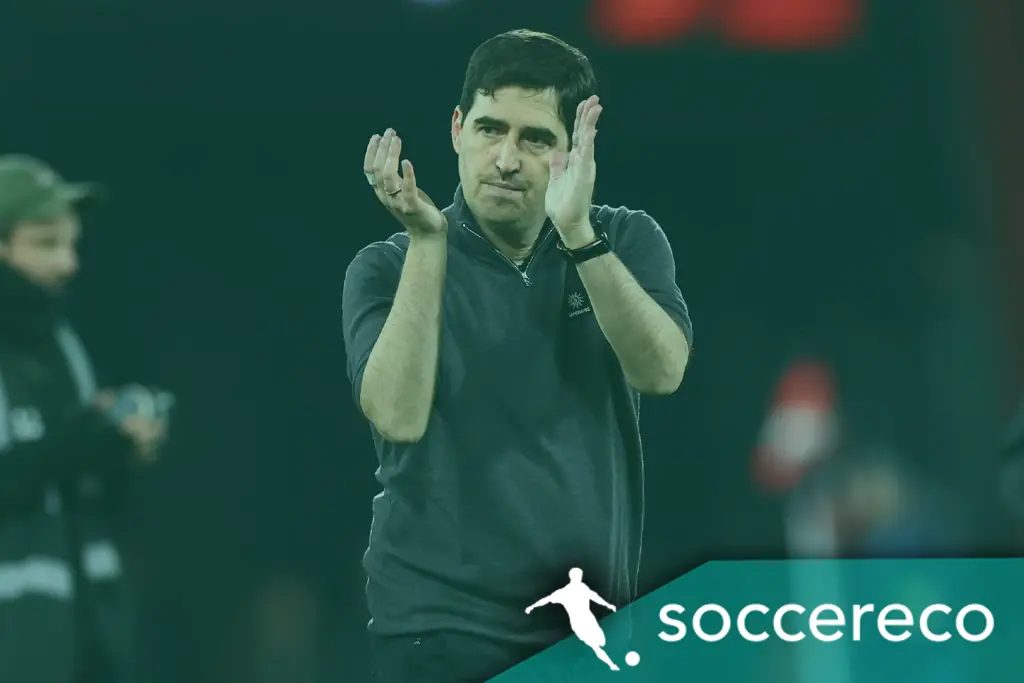
AC Milan face another painful reminder of how far their pulling power has fallen
AC Milan’s search for a new head coach has become more than just a managerial issue. It has turned into a painful symbol of where the club now stands in European football. For a side that once attracted some of the biggest names in the game almost by default, the possibility of losing Andoni Iraola to Crystal Palace feels like a particularly harsh reality check.
Iraola had been viewed as one of the most attractive candidates to lead Milan’s next project after the departure of Massimiliano Allegri. The 43-year-old Basque coach has built a strong reputation in England thanks to his work at Bournemouth, where his intense, organised and brave style of football earned admiration across the Premier League. Milan saw in him a modern coach, capable of giving the team a clearer identity and helping the club move away from the uncertainty that has surrounded San Siro in recent months.
But according to reports in England and Italy, Iraola is now close to choosing Crystal Palace instead. The move would see him replace Oliver Glasner, who has already announced that he will leave The Eagles at the end of the season. Palace, fresh from their European success, are offering Iraola something Milan currently cannot guarantee: stability, Premier League resources and the chance to continue working in an environment he already knows well.
For Milan, that is the part that hurts most. This is not simply a case of a coach choosing one club over another. It is the image of a fallen giant discovering that history alone is no longer enough. Around 20 years ago, such a decision would have been almost impossible to imagine. Milan were not just a major club; they were one of the defining institutions of European football. The red and black shirt carried extraordinary weight, the squad was filled with world-class players, and the club regularly competed for the biggest trophies on the continent.
Back then, Milan had won two Champions League titles in three seasons and were still seen as part of Europe’s natural elite. San Siro was a destination, not a risk. Coaches and players wanted to be part of that world because it promised prestige, ambition and the possibility of winning immediately. Today, however, the situation is very different. Missing out on Champions League football has deepened the crisis and exposed the limits of the current project.
Iraola’s preference for Palace, if confirmed, says a great deal about the modern football landscape. The Premier League has become the most powerful domestic competition in the world, not only in sporting terms but also financially. Even clubs outside the traditional English elite can offer strong budgets, competitive squads and a level of security that many historic clubs elsewhere struggle to match. Palace may not have Milan’s European pedigree, but they can offer Iraola a clear structure, financial backing and continuity in England.
That is why the decision feels so damaging for Milan. The Rossoneri can still offer history, a passionate fan base and the glamour of San Siro, but they are no longer automatically viewed as the safer or more attractive option. For a coach like Iraola, who is building his career carefully, the Palace job may appear more coherent than stepping into the turbulence currently surrounding Milan.
The failed pursuit leaves Milan needing to quickly reassess their options. Xavi’s name is now circulating around San Siro, and his profile would certainly carry weight. The former Barcelona midfielder has experience at the highest level, both as a player and as a coach, and he represents a very different type of appointment. His name would excite supporters, but it would also bring questions. Milan do not only need a famous figure; they need a coach who can rebuild confidence, impose a clear footballing idea and survive the pressure of a divided environment.
Xavi’s connection to Zlatan Ibrahimovic adds another layer of intrigue. The pair played together at Barcelona, and Ibrahimovic is now one of the key figures around Milan’s ownership structure. As an adviser to RedBird and Gerry Cardinale, the Swedish legend has remained influential despite the fallout from a disastrous end to the season. While members of the club’s management structure have paid the price, Ibrahimovic has stayed in place.
That has not gone unnoticed by supporters. Many Milan fans have expressed frustration at the direction of the club and have not spared Ibrahimovic from criticism. For them, his legendary status as a player does not automatically protect him from responsibility in his current role. Some supporters have even demanded that the former striker also step aside, arguing that Milan need a complete reset rather than another reshuffle around the same influential voices.
Italian media, however, continue to present Ibrahimovic as a central figure in the decision-making process. He is believed to have an important say in the search for both a new coach and a new sporting director. His position is made even stronger by the fact that he reportedly holds shares, making him a difficult figure to challenge internally. In practical terms, Ibrahimovic may now be one of the most powerful voices in deciding what Milan becomes next.
That brings Ralf Rangnick back into the picture. The current Austria national team coach has reportedly spoken with Ibrahimovic and owner Gerry Cardinale about a possible role as sporting director. It is a fascinating development because Rangnick’s name has already been linked with Milan in the past. In 2019, he was considered for a major role at the club before Milan eventually chose a different path with Stefano Pioli.
That decision later produced a Serie A title in 2022, which briefly suggested that Milan had found the right balance between tradition, smart recruitment and modern coaching. But the years since have been far more uneven. The current crisis has reopened old debates about whether the club needs a stronger sporting structure, a clearer long-term plan and a figure with enough authority to reshape the football department from top to bottom.
Rangnick would not be a symbolic appointment. He would represent a radical shift. Throughout his career, he has been associated with intense pressing, squad planning, talent development and a highly structured football vision. But he is also known for wanting full control over sporting decisions. According to reports in Italy, Rangnick would be interested in the San Siro challenge only if he is given the power to shape the project properly, including the choice of the next head coach.
That demand could create tension. Milan are already dealing with multiple centres of influence, from ownership to advisers and executives. Bringing in Rangnick would only make sense if the club were truly willing to give him authority. Otherwise, the appointment would risk becoming another half-measure, another attempt to look modern without fully committing to a coherent structure.
This is why Milan’s rebuild appears so complicated. The club are not only looking for a coach. They are searching for direction. They must decide whether they want a famous name, a tactical innovator, a powerful sporting director or a deeper institutional reset. Each path comes with risks, and every delay makes the situation more fragile.
The Iraola setback has made one thing clear: Milan can no longer rely purely on their name. The badge still matters, the history still matters, and San Siro still carries enormous emotional power. But modern coaches also look at budgets, squad planning, stability, league strength and career risk. On several of those fronts, Palace may currently appear more attractive than Milan.
For supporters, that is a painful truth to accept. Milan remain one of football’s great names, but greatness in the past does not guarantee authority in the present. If the club want to recover their place among Europe’s elite, they need more than nostalgia. They need a serious sporting plan, strong leadership and decisions that convince ambitious coaches and players that the project is moving forward.
For now, however, the rebuild remains full of obstacles. Iraola looks set to slip away, Xavi’s name is being discussed, Ibrahimovic remains influential despite fan anger, and Rangnick could return to the Milan conversation under demanding conditions. What should have been the start of a new era has instead become another reminder of how difficult it is for a historic giant to rebuild when the rest of Europe has moved on.