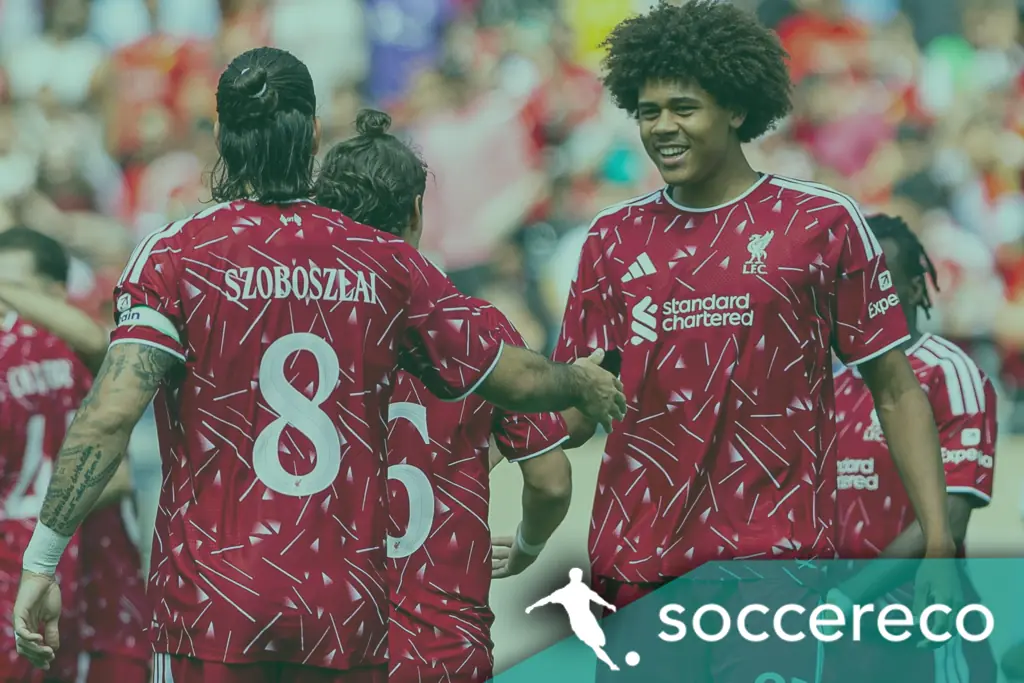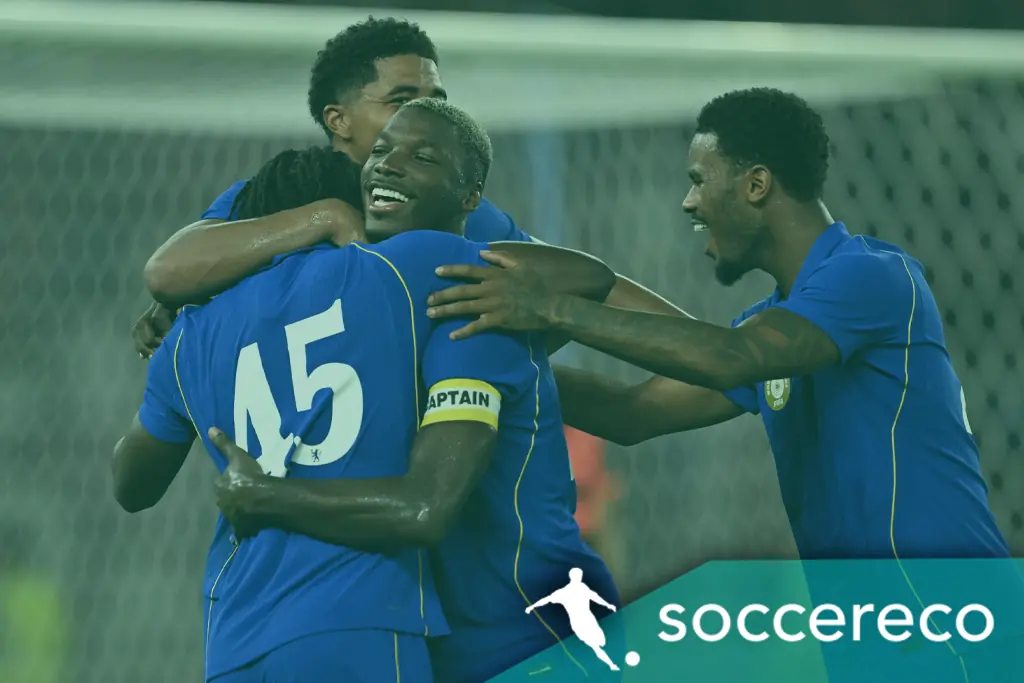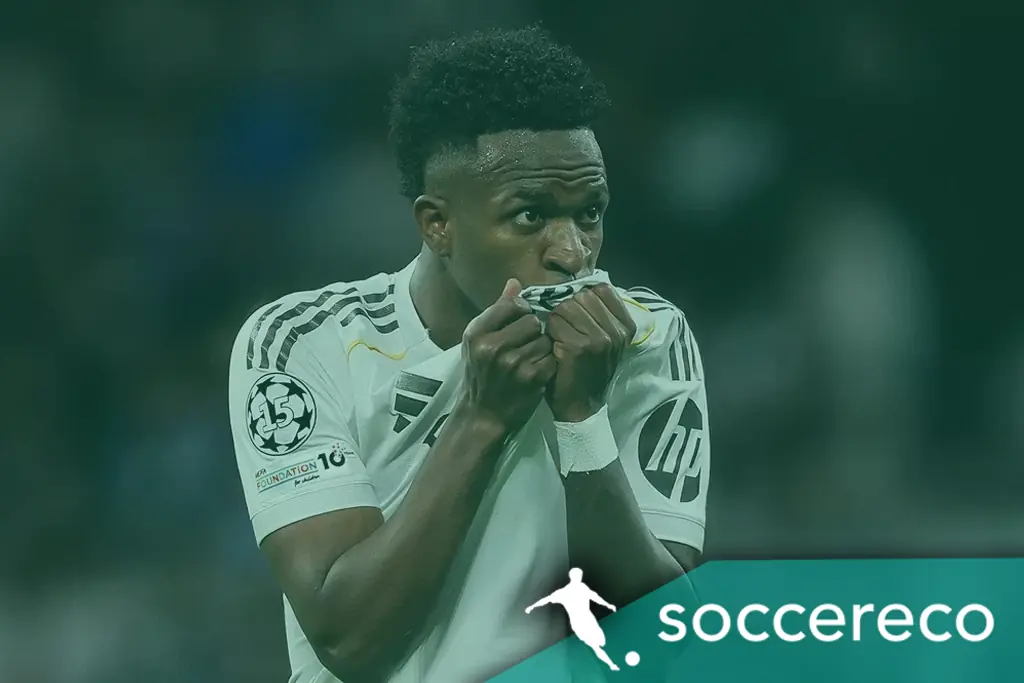
Portugal can now prepare for the last 16 of the World Cup. On Thursday night, Cristiano Ronaldos side proved too strong for Luka Modrics Croatia in a wild football battle. Ronaldo himself played an important role, scoring his first ever knockout goal at a World Cup. Spain await in the next round.
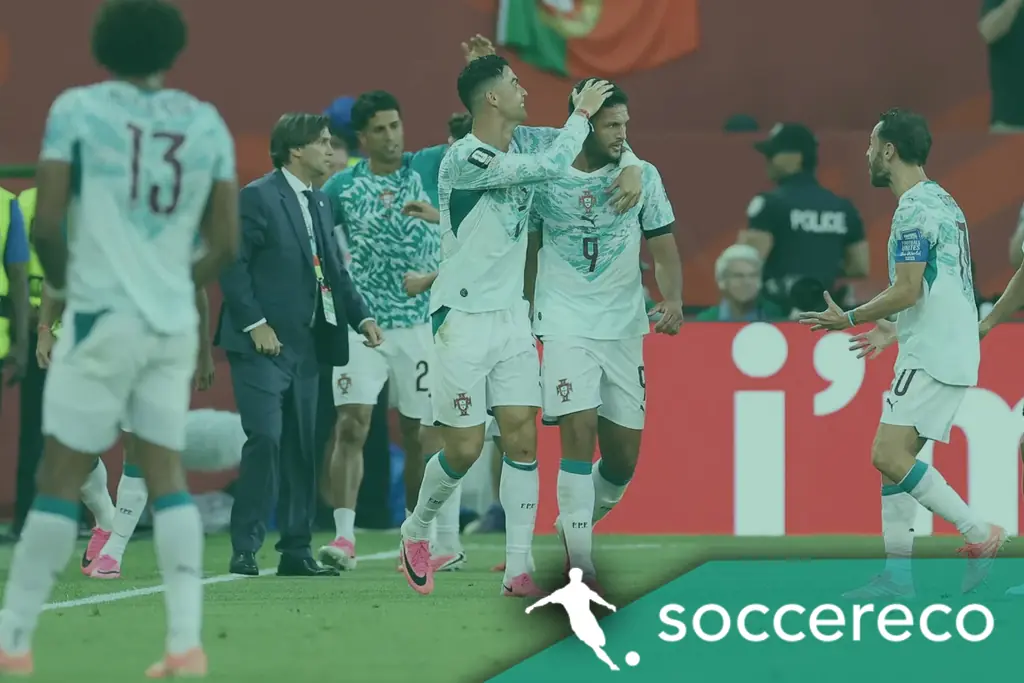
Portugal beat Croatia in chaotic World Cup knockout clash as Ronaldo finally gets his moment
Portugal are through to the last 16 of the World Cup after beating Croatia 2-1 in a dramatic Round of 32 tie that had almost everything: veteran stars, disallowed goals, a Cristiano Ronaldo milestone, a frustrated substitution, a late winner, another VAR intervention and 19 minutes of stoppage time before the final whistle finally confirmed Portuguese qualification.
On a night shaped by history as much as by tension, Portugal eventually proved too strong for Luka Modric and Croatia. Roberto Martínezs side had controlled much of the first half without finding the breakthrough, then fell behind after the restart, before Ronaldo equalised from the penalty spot and Gonçalo Ramos headed in the decisive goal deep into added time.
The 2-1 win sends Portugal into the last 16, where Spain now await in one of the standout ties of the next round. For Croatia, the defeat brings the tournament to an end and may also have closed one of the great World Cup chapters of the modern era, with Modric possibly playing his final match in the red and white checked shirt.
A heavyweight knockout tie with a veteran edge
Portugal against Croatia always had the feel of a major knockout match. It brought together 2 experienced European sides, 2 squads filled with technical quality and 2 of the most recognisable players of their generation in Cristiano Ronaldo and Luka Modric.
There was also a clear veteran theme to the evening. Both teams started with a player over the age of 40. For Portugal, Ronaldo made more history by becoming the first 41-year-old ever to start a World Cup knockout match. For Croatia, Modric once again led the team in midfield, while Ivan Perisic also started, with the PSV player used at left-back.
Croatia named an extremely experienced starting 11, in fact the oldest average starting lineup in the knockout phase of the tournament since Croatia themselves in 1998. That brought intelligence, calm and know-how, but it also raised the question of how long Zlatko Dalics side could cope with Portugals intensity over 90 minutes.
Portugal began the match with more energy and more control. They had the ball, pushed Croatia back and looked like the side more willing to dictate the rhythm. Croatia, as expected, were happy to drop into their own half, stay compact and wait for opportunities to attack on the counter.
Portugal dominate early but fail to punish Croatia
From the first whistle, Portugal looked sharper in possession. They moved the ball across midfield with confidence and tried to stretch Croatia through the wide areas. Bruno Fernandes was quickly involved and soon had a major chance to open the scoring, but he was unable to turn Portugals early dominance into a goal.
That missed chance set the tone for much of the first half. Portugal had the better territory and the clearer attacking intentions, but the final action was often missing. The movement around the box was promising, yet Croatia survived the pressure because Portugal did not show enough precision when the moments arrived.
Renato Veiga also went close with a header, giving Portugal another opportunity to turn control into an advantage on the scoreboard. Again, Croatia escaped. The centre-back found space and attacked the delivery well, but the chance came and went without the breakthrough.
For Croatia, the first half was mostly about patience and resistance. They did not dominate the ball, but they did not panic either. Modric tried to keep the team connected whenever Croatia recovered possession, while Perisic and the wide players looked for moments to move forward quickly.
The longer the first half went on without a Portuguese goal, the more the match began to settle into a dangerous pattern for Martínezs side. Portugal were clearly on top, but Croatia remained alive. In knockout football, that can quickly become a problem.
Croatia strike first through Perisic
The warning became real early in the second half. Croatia surprised Portugal with the opening goal, and it came through one of their most experienced players.
Josip Stanisic sent a cross into the penalty area that seemed to drift beyond everyone. Portugal failed to deal with the danger at the far side, where Perisic had stayed alert. Completely free inside the box, the PSV player smashed the ball into the net to put Croatia 1-0 ahead.
It was a huge moment in the match and a special personal milestone for Perisic. With that goal, he became Croatias all-time top scorer at World Cups. His 7th goal on the biggest international stage moved him definitively ahead of Davor Suker, another iconic name in Croatian football history.
For Portugal, the goal was a major blow. They had controlled most of what had happened before that point, but suddenly they were behind. Croatia had waited for their chance and taken it ruthlessly.
The goal also changed the emotional temperature of the game. Until then, Portugal had been pressing and Croatia had been resisting. After Perisics strike, the match opened up, became more chaotic and began to produce one dramatic moment after another.
Disallowed goals and a match that suddenly exploded
Almost immediately after going 1-0 ahead, Croatia thought they had scored again. Substitute striker Igor Matanovic found the net, but the flag went up for offside and Portugal were spared from falling 2 goals behind.
That moment was followed by a Portuguese response. Rafael Leão, always dangerous when given space to attack, struck the crossbar and reminded Croatia that Portugal still had enough attacking quality to turn the match around.
Then came one of the most frustrating moments of the night for Ronaldo. The Portuguese captain finished brilliantly and thought he had finally scored his first ever World Cup knockout goal. The celebration did not last. The assistant referee raised the flag, the goal was ruled out for offside and Ronaldo was left visibly frustrated.
It was the kind of moment that seemed to increase the tension around him. At 41, in another knockout match, with Portugal chasing the game, the storyline was clear. Ronaldo wanted his goal, Portugal needed a response and Croatia were trying to hold on to a lead that was becoming increasingly difficult to protect.
Martínez changes the match with 4 substitutions
Roberto Martínez reacted with a major intervention from the bench. The Portugal coach made a quadruple substitution, taking off Bruno Fernandes, Vitinha, Pedro Neto and João Cancelo. Bernardo Silva, Gonçalo Ramos, Francisco Conceição and Nélson Semedo entered the match.
It was a bold move, especially in a knockout game of this importance. Portugal needed more presence in the final third, more directness and fresh legs to break down a Croatian side that was becoming increasingly focused on protecting the lead.
The changes altered the rhythm of the game. Portugal began to push with more urgency, while Croatia were forced deeper. The match no longer felt controlled. It became a test of nerve, legs and decision-making.
Martínez needed his bench to make a difference, and eventually it did. Ramos would later score the winner, but before that came the moment that finally gave Ronaldo the World Cup knockout goal he had been chasing for so long.
Ronaldo finally scores his first World Cup knockout goal
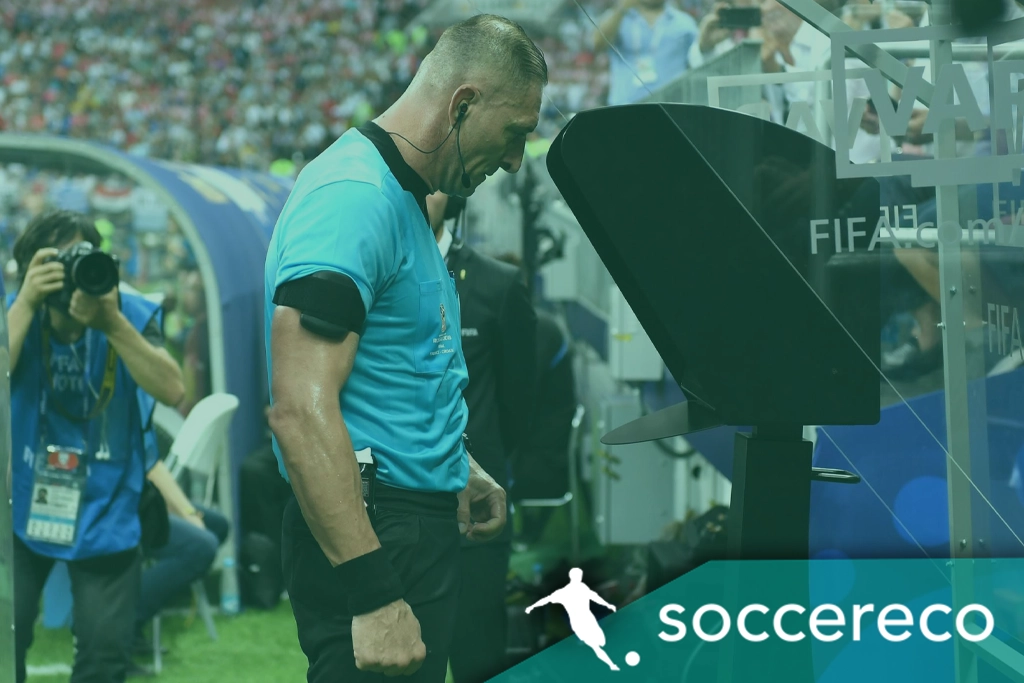
Portugal were handed the chance to equalise after Renato Veiga was held by an opponent at a corner. The contact was not the most obvious foul in real time, but VAR advised the referee to review the incident. After the check, the decision was made: penalty to Portugal.
There was never any doubt about who would take it. Ronaldo stepped forward from 11 metres, carrying both the pressure of the match and the personal weight of a long-running World Cup statistic.
Dominik Livakovic chose a side. Ronaldo went down the middle. The ball hit the net and Portugal were level at 1-1.
For Ronaldo, it was a landmark moment. After so many World Cup matches, so many goals in the group stage and so many years of discussion about his record in knockout games, he had finally scored in the elimination rounds of the tournament.
The goal also gave Portugal belief at a vital time. Croatia had been trying to manage the game after Perisics opener, but the equaliser shifted the pressure back onto them. The match was now alive again, and Portugal had the momentum.
Ronaldo unhappy after being substituted
There was still another major Ronaldo moment to come, but this time it was not in front of goal. After Petar Susic also had a goal ruled out for offside, Martínez made another notable decision.
Ruben Neves was ready to come on, and the fourth officials board showed the number 7. Ronaldo was being substituted.
The Portuguese superstar was clearly unhappy with the decision. His reaction made that obvious. This was a knockout match, the score was still 1-1 and Ronaldo had just scored the goal that brought Portugal back into the game. From his point of view, leaving the pitch at that stage was not easy to accept.
Still, he had no choice. Ronaldo walked off, and Portugal had to finish the game without their captain and most famous attacking reference.
It was a risky call from Martínez. If Portugal had gone out, the decision would certainly have been heavily questioned. But the old football rule says that a winning coach is always right, and the ending of the match gave Martínez that protection.
Ramos heads Portugal into the last 16
The officials added 10 minutes of stoppage time, but the match would end up going far beyond that. Before the extra drama, however, Portugal found what they were looking for.
Rafael Leão delivered a precise cross into the area, and Gonçalo Ramos attacked it perfectly. The striker headed the ball into the net to make it 2-1, sending the Portuguese players and supporters into celebration.
It was the kind of goal that justified Martínezs changes. Ramos had come on as part of the quadruple substitution, and when the decisive moment arrived, he was exactly where Portugal needed him to be.
For Croatia, it was a brutal blow. They had led 1-0, had seen multiple moments go against them through offside calls and were now behind late in stoppage time. Yet even then, the match was not finished.
Gvardiol equaliser ruled out after VAR check
In the 13th minute of stoppage time, Croatia thought they had rescued the game. Josko Gvardiol found the net and sparked wild celebrations among the Croatian players and fans.
For a moment, it looked as though Portugal had thrown away their late lead and that the match would be heading for extra time. Croatia believed they had survived. Portugal feared the worst.
But VAR intervened again. The check found an offside in the build-up to the goal, and the equaliser was ruled out. The Croatian celebrations stopped, while Portugal were given another chance to hold on.
It was another cruel twist for Croatia and another example of how tense and fragmented the final stages had become. The match was no longer flowing. It was being decided by tiny margins, reviews, flags and moments of individual quality.
Portugal survive 19 minutes of stoppage time
After 19 minutes of stoppage time, the referee finally blew the whistle. Portugal had survived. Croatia had run out of time.
The final score, Portugal 2-1 Croatia, tells only part of the story. This was not a simple win. Portugal dominated early, fell behind, saw Ronaldo denied by offside, watched Croatia have goals ruled out, levelled through a Ronaldo penalty, removed their captain, then won it through Ramos before surviving one last Croatian scare.
For Martínez, the match will be remembered as a night of big decisions. His quadruple substitution changed the direction of the game, his decision to remove Ronaldo was bold and his team eventually found a way through. The performance was not perfect, but in knockout football, survival matters most.
For Ronaldo, the night carried mixed emotions. He finally scored his first World Cup knockout goal, a milestone that had followed him for years. But he also left the pitch unhappy after being substituted before the decisive goal. Even so, the team advanced, and that will be the most important fact for Portugal.
Spain now await Portugal in the last 16
Portugal now move on to face Spain in the last 16. It is a fixture with huge appeal, bringing together 2 neighbouring nations with strong tournament ambitions and deep squads.
Portugal will know that they cannot afford the same wastefulness against Spain. Their first-half dominance against Croatia should have produced goals, and the slow reaction after half-time nearly cost them. Against a team like Spain, those moments can be punished even more severely.
At the same time, this kind of comeback can strengthen a squad. Portugal showed resilience, benefited from their bench and found late solutions under pressure. Ramos scoring the winner also gives Martínez another attacking reference to consider before the Spain match.
The balance of the team will be one of the main questions before the next round. Martínez must decide how to use Ronaldo, how much to rely on the players who changed the game from the bench and how to set up against a Spanish side that will likely demand more defensive discipline and patience in possession.
Possible end of the road for Modric
For Croatia, the defeat feels like the end of more than just a World Cup campaign. It may also mark the final tournament appearance of Luka Modric, one of the greatest players in the history of Croatian football.
Modric has been the face, brain and rhythm of Croatia for years. He helped guide his country through some of its greatest international moments and remained central to the team deep into his 40s. If this was his final match in the red and white checked shirt, it was a painful farewell.
Croatia did not go quietly. They frustrated Portugal, took the lead, had chances to extend their advantage and even thought they had equalised late through Gvardiol. But the margins went against them, and the tournament ends here.
Perisics goal gave them hope and history. Modrics presence gave them identity. But Portugal had the stronger finish, the more decisive bench and the final goal that counted.