Erling Haaland 2017 Copenhagen trial has resurfaced ahead of Norway vs Denmark, with Stale Solbakken joking about the decision not to sign him.
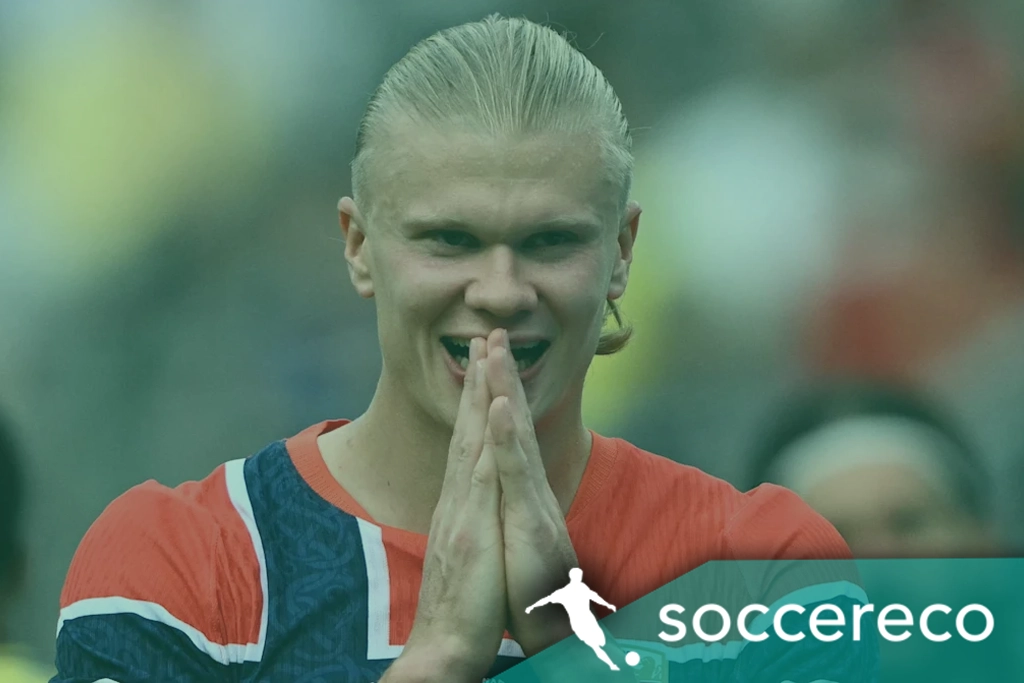
Haaland trial story adds extra edge to Norway Denmark clash
Norway and Denmark meet in Oslo on Thursday in a Nations League fixture that already carries plenty of importance because both teams are competing in the same group as Portugal, but the build-up has taken on an unusual and highly personal subplot involving Erling Haaland. The Manchester City striker is now one of the biggest names in world football, yet years before becoming a global star he passed through Copenhagen without convincing the Danish club to sign him. That episode, which dates back to 2017, has resurfaced because the two men now leading Norway and Denmark were both connected to Copenhagen at the time and, in different ways, were part of the environment in which Haaland was assessed.
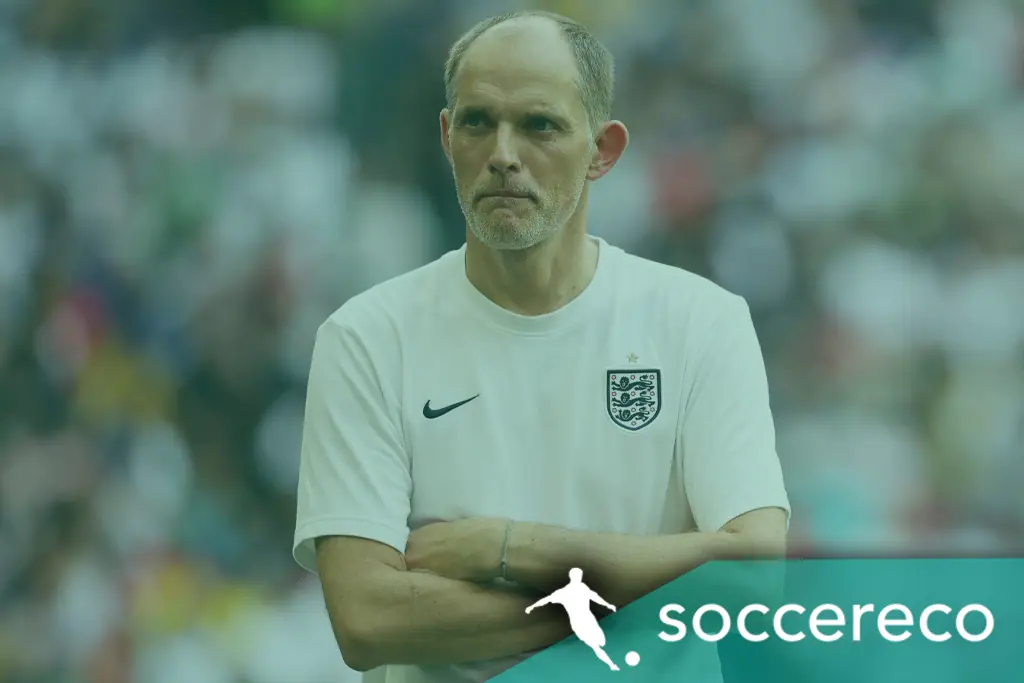
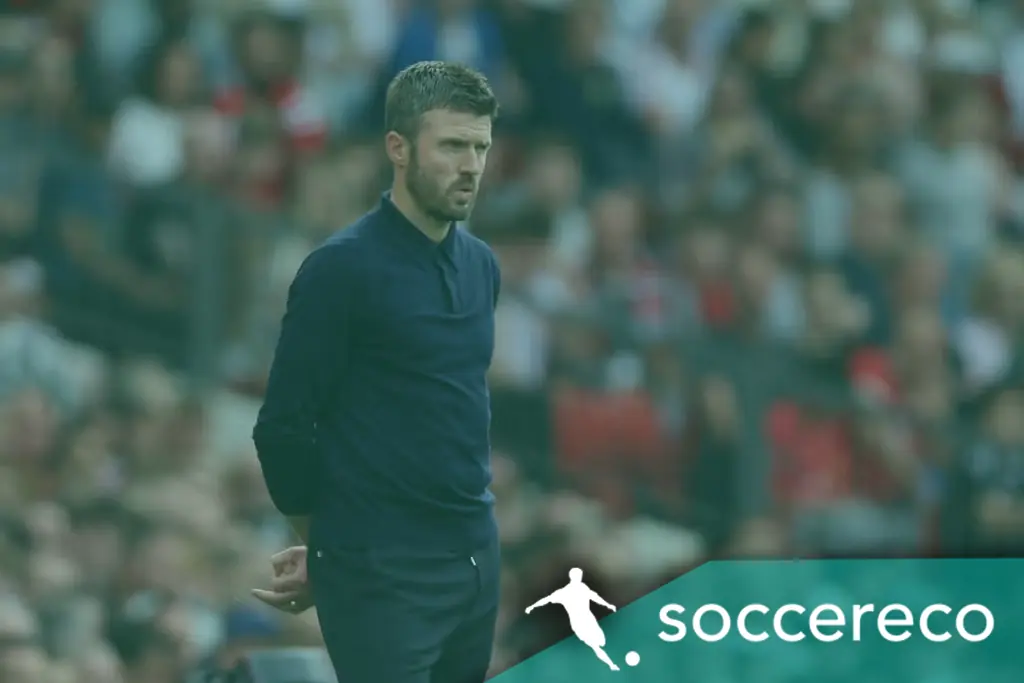
Brian Riemer, who is now in charge of Denmark, was then responsible for Copenhagen Under-19 side, while Stale Solbakken, the current Norway head coach, was managing the club first team. The result is a story that has inevitably become part of the pre-match conversation, particularly because the player Copenhagen chose not to sign went on to build a career at the highest level. Haaland eventually became the kind of forward every major club would want, turning the 2017 trial into one of those stories that are revisited years later with a mixture of disbelief, humour and hindsight.
Solbakken looks back at Copenhagen decision
Solbakken was asked about the situation ahead of the meeting with Denmark and responded in a relaxed tone, making clear that decisions involving young players are rarely as obvious in the moment as they appear many years later. “I think Brian Riemer had the day off that day,” he said, immediately shifting some of the responsibility away from his Danish counterpart. The Norway coach then explained that there were people inside Copenhagen who genuinely believed the club already had stronger players in that age group, an assessment that may look remarkable now but which he insisted was not necessarily absurd at the time.
“There were people who thought that, in that age group, we had better players than Haaland. And it is possible they were better at the time,” Solbakken said. He mentioned Carlo Holse and Jonas Wind as examples of players who were highly regarded during that period. Holse now plays in the United States, while Wind is currently at Braga, both having gone on to establish professional careers of their own. Solbakken point was that youth development is not always a simple process of identifying who will eventually become the biggest star. Players mature at different speeds, physical development can change dramatically and the qualities that define a top-level footballer at 25 are not always fully visible at 16 or 17.
That context helps explain why Haaland did not immediately stand out enough to convince Copenhagen. Today, judging his potential seems straightforward because his scoring record and reputation are already established, but the decision in 2017 was being made on a teenage forward who was still developing. Solbakken was therefore careful not to present the story as evidence of incompetence, instead using it as an example of how difficult talent identification can be.
Neestrup also dragged into the story
Solbakken also brought Jacob Neestrup into the discussion. Neestrup, who is now coaching Panathinaikos, was present at the time and therefore also became part of the humorous blame game surrounding the decision not to sign Haaland. “Neestrup was there. He will always owe Copenhagen for that,” Solbakken joked with a smile. The comment summed up the tone of the exchange: the Norway head coach was willing to laugh about the past, while also acknowledging that the mistake has become part of Copenhagen folklore because of what Haaland later became.
Stories like this tend to grow over time because the contrast becomes more dramatic with every new success. Had Haaland gone on to enjoy only a modest professional career, the trial would probably have been forgotten. Instead, he developed into one of the most prolific forwards of his generation, ensuring that every club that once had an opportunity to sign him is likely to have the decision revisited repeatedly.
Riemer connection gives derby extra narrative
The fact that Riemer now leads Denmark gives the episode even more relevance ahead of Thursday match. He was not necessarily the decisive figure in rejecting Haaland, and Solbakken even suggested he may not have been present that day, but his association with Copenhagen youth setup means the story naturally follows him into this international fixture. The match therefore brings together the player, the coach of his national team and one of the coaches linked to the club that once passed on him.
For Riemer, the most important issue will obviously be stopping Haaland rather than explaining what happened almost a decade ago. The irony is difficult to ignore, however. A coach who once worked in the structure of a club that did not sign Haaland now has to prepare a Denmark side to defend against him at international level. That contrast gives the fixture a narrative that goes beyond the Nations League table and adds another layer to an already competitive Scandinavian meeting.
Haaland now at the centre of Norway project
For Norway, there is no such uncertainty anymore about Haaland importance. He is one of the central figures of the national team and the player around whom much of the attacking threat is built. His presence changes the way opponents prepare, particularly because a striker of his profile can decide matches with very few touches. Denmark know they cannot allow him repeated opportunities in the penalty area, and the challenge of containing him will be one of the main tactical themes in Oslo.
That makes the old Copenhagen story particularly striking. What was once a trial involving a promising teenager has become a historical footnote attached to one of the most dangerous forwards in world football. Solbakken comments made clear that nobody involved could fully predict the scale of what followed, and that is precisely why the episode remains interesting. It is a reminder that development is not linear and that even experienced coaches and clubs can misjudge how far a young player might eventually go.
Norway and Denmark also fighting for Nations League position
Beyond the Haaland storyline, the match itself carries obvious competitive significance. Norway and Denmark are both opponents of Portugal in the Nations League, meaning every point collected in direct meetings can influence the balance of the group. A Scandinavian clash between two sides with high-level players would already attract attention without any additional history, but the Haaland connection gives the fixture a particularly sharp edge.
Norway will hope to use home advantage and Haaland presence to impose themselves in Oslo, while Denmark will look to avoid becoming the latest team punished by the striker they once had a chance to recruit at club level. For Solbakken, the story is amusing in retrospect. For Riemer, it is a piece of history that will probably continue following him whenever Haaland is involved.
In the end, the 2017 trial has become less about blame and more about perspective. Solbakken openly admitted that other players may genuinely have looked better at the time, while joking that some of the people involved will always owe Copenhagen for letting Haaland walk away. Thursday match provides a perfect setting for the story to resurface, but once the whistle blows, the focus will shift quickly from what Copenhagen failed to see almost a decade ago to the much more immediate problem of how Denmark can stop the player Haaland has since become.