Spanish football mourns the tragic death of Tenerife striker Jesús de Miguel, aged 30, following a serious collision and cardiac arrest during a match against Andorra.
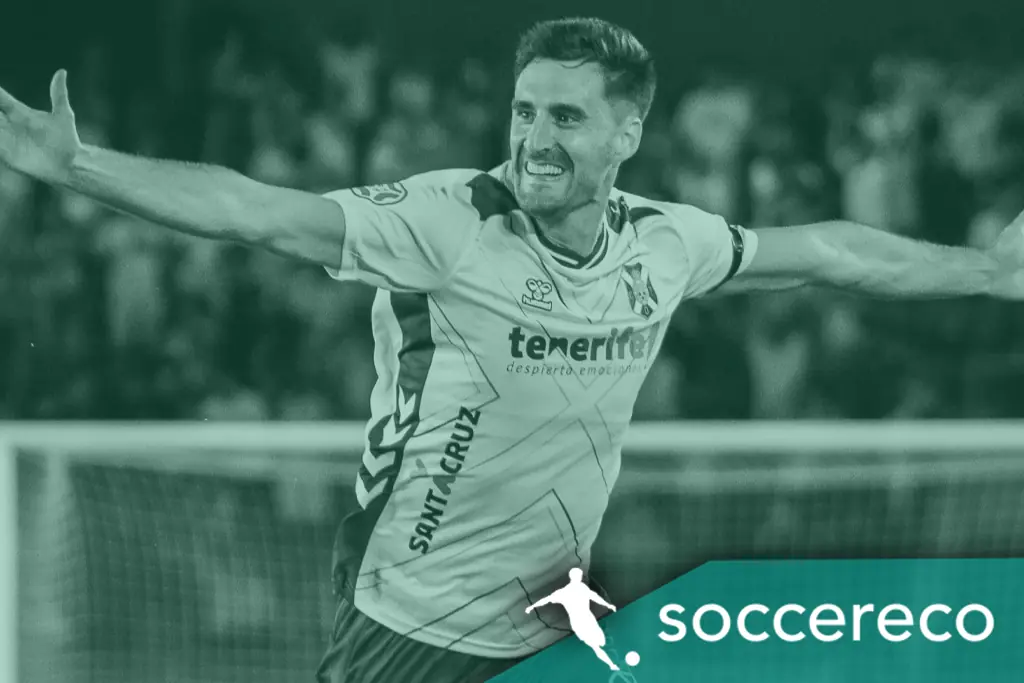
Spanish Football in Mourning as Tenerife Striker Jesús de Miguel Dies Aged 30 After Tragic On-Field Collision
Spanish football has been left in mourning following the tragic death of CD Tenerife striker Jesús de Miguel, who passed away on Tuesday, November 3, 2026, at the age of just 30. The footballer had been fighting for his life after suffering a cardiorespiratory arrest following a serious collision with FC Andorra goalkeeper Jesús Owono during Monday's Spanish second division encounter at the Estadio Heliodoro Rodríguez López. Despite receiving emergency medical treatment and being transported to hospital, De Miguel's condition deteriorated during the night, and Tenerife confirmed his death in an emotional statement released on Tuesday morning. The tragedy has devastated the Canary Islands club and prompted an outpouring of condolences from across Spanish and international football, with players, supporters, clubs and governing bodies expressing their sadness at the loss of a professional whose career had taken him through several levels of the Spanish game.
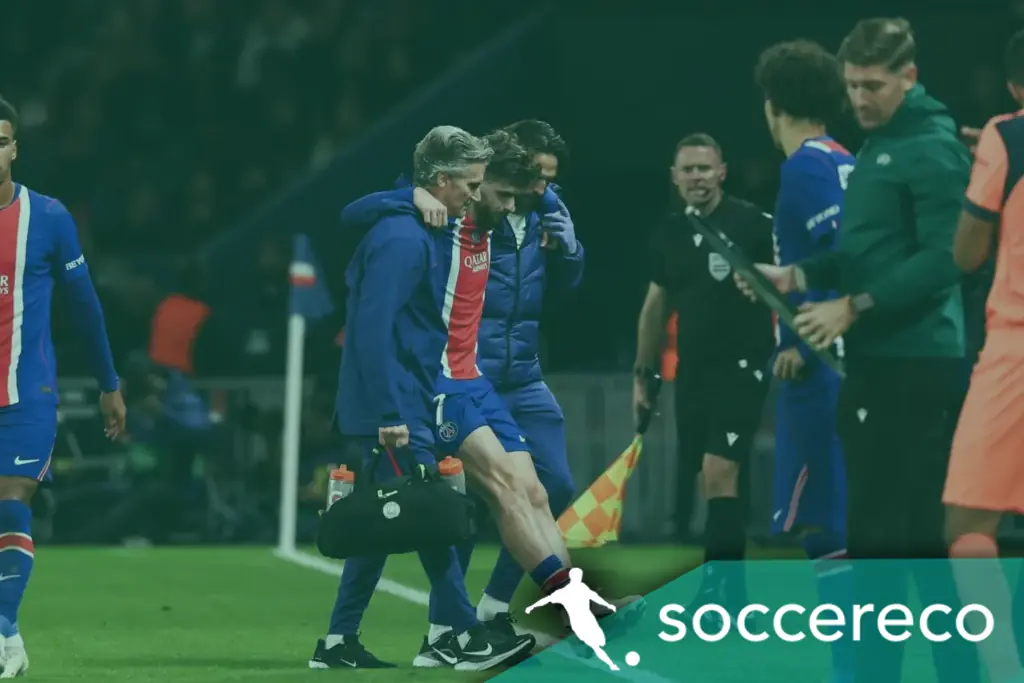
The incident occurred during second-half stoppage time of the 12th round encounter, with Tenerife and Andorra level at 2-2 after a closely contested match. What had been an important league fixture suddenly became a medical emergency when Owono rushed out of his penalty area in an attempt to prevent a Tenerife counterattack and collided heavily with De Miguel near the halfway line. The striker fell to the ground following the impact and subsequently lost consciousness, prompting immediate concern among players from both teams. Medical personnel rushed onto the pitch to provide emergency assistance, while the match officials and coaching staff quickly recognised that the seriousness of the situation made continuing the encounter impossible.
De Miguel was eventually transferred by ambulance to the Hospital Universitario Nuestra Señora de Candelaria, where he was admitted to intensive care. Initial information from Tenerife indicated that his condition was stable, although the club emphasised that the medical situation remained extremely serious. The announcement provided some hope after reports that emergency personnel had successfully restored his pulse following cardiopulmonary resuscitation, but subsequent updates revealed that his neurological condition had deteriorated. The worst possible news arrived the following morning when the club confirmed that the striker had died at 8:00 am, ending a period of intense concern for his family, teammates and the wider football community.
Tenerife Confirm Jesús de Miguel's Death in Emotional Statement
CD Tenerife announced the death of Jesús de Miguel through an official statement that reflected the shock and sadness surrounding the club. The announcement was published on Tuesday morning, only hours after the organisation had provided an update concerning the deterioration of the player's health. Rather than concentrating on the sporting consequences of the abandoned fixture, Tenerife expressed its profound grief and offered support to the footballer's family and everyone affected by the tragedy. The club acknowledged the difficulty of finding words capable of describing the loss, while emphasising that its thoughts remained with those closest to the player during an exceptionally painful moment.
In the statement, Tenerife confirmed that Jesús de Miguel Alameda had died on November 3, 2026, at 8:00 am. The club described itself as overwhelmed by grief and struggling to accept what had happened, explaining that no words could adequately ease the sadness felt throughout the organisation. It extended its support to the striker's devastated family, loved ones and the entire Tenerife community, whose supporters had followed his career and witnessed the events of the previous afternoon. The announcement also included a message from the family, thanking everyone who had expressed concern or offered support while requesting that its privacy be respected during the period of mourning.
The request for privacy was particularly important given the circumstances surrounding the player's death and the considerable public attention generated by the incident. Images of the collision and subsequent medical response had circulated widely after the match, attracting concern from supporters and observers across different countries. Tenerife's statement placed the emphasis on the human loss rather than the dramatic circumstances of the collision, reminding everyone that the tragedy involved a family mourning the death of a loved one. The club concluded its announcement with a simple farewell, bringing a deeply painful chapter to an end after the medical efforts made throughout Monday and the early hours of Tuesday.
For Tenerife, the loss represents a devastating event that extends far beyond football results or league positions. De Miguel had become part of the club's sporting project after arriving in the Canary Islands in 2025, contributing to its progress and building relationships with teammates, coaches and supporters. The sudden death of a player who had been involved in a competitive fixture only the previous afternoon has inevitably affected the entire organisation. Although the club will eventually face decisions concerning its sporting calendar and the continuation of the season, those questions have been overshadowed by the immediate priority of supporting everyone affected by the tragedy.
How the Tragic Collision Happened During Tenerife's Match Against Andorra
The events unfolded on Monday, November 2, during a Spanish second division fixture between Tenerife and FC Andorra at the Heliodoro Rodríguez López. The home team had initially established a 2-0 advantage, but Andorra recovered during the closing stages with goals in the 80th and 87th minutes, leaving the score level as the encounter entered stoppage time. With both sides still attempting to secure a late winner, the match remained competitive, and Tenerife looked for an opportunity to launch another attacking movement. De Miguel, who had entered as a substitute during the second half, was attempting to reach a forward pass when the incident occurred.
As Tenerife prepared to develop a counterattack, Owono advanced well outside his penalty area to challenge for the ball before the striker could create a dangerous opportunity. The goalkeeper continued towards the halfway line and jumped into the challenge, with his raised knee appearing to make heavy contact with De Miguel's upper body. The impact was severe, and the Tenerife forward collapsed moments afterwards, leaving players from both sides immediately concerned about his condition. The sequence was particularly distressing because the situation developed from an ordinary passage of attacking play into an emergency that required urgent medical intervention.
Referee Manuel Ángel Pérez Hernández showed Owono a straight red card for the challenge, but the disciplinary decision quickly became secondary to the condition of the injured player. The goalkeeper had begun leaving the field following his dismissal when he turned back after recognising the seriousness of the situation. Players from both teams gathered nearby, with several visibly distressed and calling for medical assistance as De Miguel remained on the ground. The reaction of those closest to the incident made clear that this was no longer a routine football injury, and the atmosphere inside the stadium changed completely as attention turned towards the medical team.
Medical personnel attended to De Miguel on the pitch for several minutes before he was placed on a stretcher and transferred towards an ambulance. The emergency response took place while teammates, opponents and supporters waited anxiously for information about his condition. According to reports published after the incident, the striker suffered a cardiorespiratory arrest and required resuscitation, with emergency personnel managing to restore his pulse. He was subsequently taken to hospital for specialist treatment, while the match was abandoned with the score still level at 2-2.
The circumstances of the collision have naturally attracted considerable attention because of the force of the impact and the tragic consequences that followed. However, the seriousness of the outcome does not by itself establish that the goalkeeper intended to cause injury, and the incident must be distinguished from any questions concerning disciplinary or legal responsibility. Owono was dismissed by the referee for his challenge, but the precise circumstances of the collision and any subsequent assessment by the relevant authorities require separate consideration. The immediate concern of everyone involved remained the health of De Miguel, whose condition had become critical in the aftermath of the challenge.
Match Abandoned as Players and Officials Struggle to Continue
The decision to abandon the encounter reflected the extraordinary circumstances confronting the players and officials after De Miguel was taken from the field. With the score at 2-2 and only the closing moments remaining, the match would ordinarily have continued until the referee's final whistle. However, the medical emergency had left both squads deeply affected, and continuing to play was no longer considered appropriate. After discussions involving the match officials and representatives of both clubs, the fixture was suspended, with the emotional condition of the players becoming an important factor in the decision.
According to the referee's report, the captains and club representatives indicated that the players were not in an appropriate emotional condition to resume the match. The situation was therefore treated as an exceptional interruption rather than an ordinary suspension caused by weather, crowd disturbances or another sporting incident. Both teams had witnessed a fellow professional suffer a serious medical emergency, and the immediate priority was to allow medical personnel to provide the necessary treatment without the pressure of restarting the game. The decision was widely understood in the context of the circumstances, particularly as information about De Miguel's condition remained uncertain.
The match had already been unusual because it was played on Monday after the original schedule was affected by a weather warning involving heavy rainfall in Tenerife. What was supposed to be an important second division fixture ultimately became an event that would be remembered for reasons completely unrelated to the competition. The scoreline, the goals and the possible consequences for the league standings immediately lost their significance as the seriousness of the medical situation became clear. For the supporters who attended the stadium, the concern surrounding De Miguel replaced the atmosphere normally associated with a competitive football match.
Following the abandonment, questions remained about the administrative treatment of the unfinished fixture, including how the competition authorities would determine whether any remaining playing time should eventually be completed. Such matters fall under the responsibility of the relevant football authorities and competition regulations, but no sporting decision could alter the tragedy that unfolded. The events demonstrated how quickly the priorities of a football match can change when the health of a player is at risk, with opponents, teammates and officials united by concern rather than competition.
Medical Teams Initially Managed to Restore the Player's Pulse
After the emergency response at the stadium, De Miguel was transported to the Hospital Universitario Nuestra Señora de Candelaria, where he received specialist medical attention. Reports from Spanish media indicated that the striker had suffered a cardiorespiratory arrest following the collision and that emergency personnel had performed cardiopulmonary resuscitation during the response. Those efforts succeeded in restoring his pulse, providing an initial sign of hope during an exceptionally serious medical situation. However, regaining a pulse does not necessarily mean that a patient has recovered from the consequences of a cardiac arrest, and further intensive treatment was required.
On Monday evening, Tenerife issued an official statement confirming that De Miguel had been admitted to the hospital's intensive care unit. The club described his condition as stable within the seriousness of the circumstances, while explaining that medical personnel remained at the hospital and would provide additional information when developments became available. That wording was necessarily cautious, reflecting the difference between temporary stabilisation and recovery from a potentially life-threatening emergency. Although supporters welcomed the indication that the player had survived the initial crisis, the club made no suggestion that the danger had passed.
During the following hours, the situation became increasingly concerning. Reports on Tuesday morning indicated that De Miguel had experienced neurological deterioration after his admission to intensive care, prompting further anxiety among those awaiting news of his condition. The club's subsequent announcement confirmed that the striker had died despite the emergency medical treatment he had received. No detailed public medical report has established every aspect of the clinical sequence, and the information released by the club does not provide a complete explanation of the injuries and complications involved.
The distinction between the initial reports of stability and the eventual outcome is important when understanding the chronology of the tragedy. Tenerife's first communication described the player's condition at a specific moment following emergency treatment, while later announcements reflected changes that occurred during his hospitalisation. The club did not indicate that De Miguel had fully recovered or that he was no longer in danger. His death the following morning confirmed the gravity of the situation and brought an end to the hopes that had followed the initial success of the resuscitation efforts.
Jesús de Miguel Built His Career Through the Lower Divisions of Spanish Football
Beyond the tragic circumstances of his death, Jesús de Miguel leaves behind the story of a professional footballer who worked his way through the lower divisions of Spanish football before establishing himself at a higher competitive level. Born in Madrid, the striker developed his career through several clubs, gaining experience in different competitions and gradually earning opportunities to demonstrate his attacking qualities. His journey was not defined by an immediate breakthrough at one of Spain's biggest institutions, but by the persistence required to progress through a demanding football system where professional opportunities can be difficult to secure. By the time he joined Tenerife in July 2025, he had already accumulated years of experience across several clubs and had contributed to important promotion campaigns.
De Miguel began his development in Madrid, spending time with Lugo Fuenlabrada before progressing through the youth structure of Leganés. He made the transition into senior football with Leganés B during the 2015/16 season, beginning a career that would take him through several teams in the Madrid region. His subsequent experience included spells with Internacional de Madrid, Fuenlabrada, Unión Adarve and Navalcarnero, where he developed the qualities that would eventually allow him to establish himself in the higher divisions. Those years provided the competitive experience required to adapt to different tactical systems, opponents and playing conditions while continuing to develop as a forward.
His performances at Internacional de Madrid helped the club secure promotion, while his time with Navalcarnero provided another important period of development. At Navalcarnero, he demonstrated greater consistency in front of goal and contributed to the team's attacking performances, attracting attention from clubs competing at a higher level. The experience gained during those seasons proved valuable when he moved to Unionistas de Salamanca in 2021, a transfer that offered another opportunity to establish himself in Primera Federación. His progress at Unionistas demonstrated that he was capable of maintaining his attacking contribution in a more demanding competitive environment.
During the 2021/22 campaign, De Miguel enjoyed an especially productive period with Unionistas, scoring 12 league goals and providing important contributions to the team's attacking play. His performances attracted the attention of Castellón, who secured his services in January 2023. The move represented another significant step in his career, allowing him to join an ambitious club attempting to return to the higher levels of Spanish football. At Castellón, he continued developing his reputation as a reliable attacking player, contributing goals and supporting the team's efforts to achieve promotion.
The 2023/24 season became one of the most successful periods of his professional career. De Miguel scored 16 goals and provided six assists in 38 matches, finishing as the leading scorer in his Primera Federación group as Castellón secured promotion to Spain's second division. The achievement represented a considerable reward for a player who had spent years progressing through lower-level competitions, demonstrating that determination and consistent performances could eventually create opportunities at a higher level. His contributions were particularly important during a campaign in which Castellón established itself as one of the strongest teams in its division.
Tenerife Became an Important Chapter in His Football Career
De Miguel joined Tenerife in July 2025, beginning a new chapter in a career already characterised by perseverance and gradual progression. His arrival came at a time when the Canary Islands club was attempting to strengthen its attacking options and build a squad capable of competing successfully for promotion. The striker quickly demonstrated his value, producing an impressive scoring sequence during the opening weeks of the campaign. His six goals in the first five league matches represented an exceptional start and attracted attention from supporters who recognised his ability to influence games through intelligent movement and efficient finishing.
The forward continued contributing throughout the season, finishing with 11 league goals in 29 appearances as Tenerife secured promotion to the second division. His performances helped the club achieve an important sporting objective and strengthened his connection with a team attempting to recover its position within Spanish professional football. Although De Miguel had already experienced promotion campaigns earlier in his career, his success with Tenerife carried particular significance because it allowed him to contribute to the club's return to a higher competitive level. The achievement also reinforced his reputation as a footballer capable of making important contributions during demanding seasons.
Following that successful campaign, De Miguel remained with Tenerife despite attracting interest from elsewhere. The decision reflected his willingness to continue developing his career with the Canary Islands club and contribute to the next stage of its sporting project. His commitment was particularly meaningful because promotion had created new opportunities and increased the attention surrounding players who had performed well during the previous season. Rather than immediately seeking another destination, he remained part of the squad preparing to compete in Spain's second division.
During the 2026/27 campaign, De Miguel had made six appearances before the tragic encounter against Andorra. Although his involvement had been more limited than during the previous season, he remained a member of the first-team squad and was available to contribute when called upon. On Monday, he entered the match during the second half, continuing to perform the responsibilities of a professional footballer whose career had been built through years of effort and competition. The collision that followed brought his life to a devastatingly premature end, leaving his family, teammates and supporters mourning the loss of someone whose sporting journey had involved considerable determination.
Spanish Football Federation Suspends Matches Following Tragedy
The impact of De Miguel's death extended beyond Tenerife, with the Royal Spanish Football Federation announcing the suspension of matches scheduled for Tuesday, November 3, as a mark of respect. The decision affected fixtures in the Copa del Rey and Copa de la Reina, reflecting the seriousness with which Spanish football authorities regarded the tragedy. The federation also cancelled the scheduled presentation of an upcoming Spain Under-21 international fixture against Japan, explaining that the wider football community remained united in grief. The postponed matches will be rearranged, with the relevant authorities expected to communicate new dates once the revised schedule has been established.
In its statement, the federation expressed its deepest condolences to De Miguel's family, friends and loved ones, as well as to everyone associated with Tenerife. The decision to suspend competitive activities represented a significant gesture of solidarity, recognising that the death of a player during the aftermath of an official match had affected the football community as a whole. Rather than treating the incident as a tragedy confined to one club, the federation acknowledged its wider significance and the importance of allowing those involved an opportunity to mourn. The announcement also highlighted the human responsibilities of football institutions when confronted with events that extend beyond ordinary sporting competition.
FC Andorra also expressed its condolences following the confirmation of De Miguel's death. The club offered support to the player's family, teammates and everyone associated with Tenerife, acknowledging the devastating consequences of an incident that had occurred during a match involving its own goalkeeper. The statement reflected the shared sadness surrounding the tragedy, with the competitive relationship between the two clubs becoming irrelevant in the face of such a serious loss. Owono had been involved in the collision that caused the emergency, but the immediate messages from the football community concentrated on mourning De Miguel and supporting those affected.
Other clubs and players also joined the tributes, demonstrating how widely the news had been felt. Real Madrid observed a minute of silence during training, while Espanyol postponed the presentation of its new coach as a mark of respect. Kylian Mbappé expressed his sadness publicly, and English clubs including Manchester United and Liverpool also offered condolences. The response demonstrated the sense of solidarity that can emerge across national and competitive boundaries when football is confronted with the death of one of its professionals.
Spanish Authorities Open Investigation Into the Collision
Following the confirmation of De Miguel's death, Spanish police announced that an investigation had been opened into the circumstances surrounding the incident. According to the Associated Press, the National Police are examining the possibility of involuntary manslaughter, with prosecutors also expected to be involved in the process. The investigation reflects the seriousness of the fatal collision and the need for the relevant authorities to establish precisely what happened. However, the opening of an investigation does not establish criminal responsibility, and any conclusions must be based on the evidence gathered and the applicable legal standards.
The collision occurred during a competitive football match in which both players were attempting to challenge for possession, although the goalkeeper's movement and the force of the impact resulted in a straight red card. Football's disciplinary rules and criminal law operate under different principles, meaning that a dismissal during a match does not automatically determine whether an offence has been committed outside the sporting context. Investigators may therefore examine the circumstances independently of the referee's decision, including the available footage and other evidence relevant to the incident. Until that process is completed, it would be inappropriate to present any conclusion about legal responsibility as established fact.
The tragedy also raises questions about the medical and safety procedures surrounding professional football, particularly when players suffer severe impacts during matches. Serious collisions involving goalkeepers and outfield players are an established risk in a sport where both may compete for the ball at speed, sometimes in situations where neither has sufficient time to avoid contact. Although fatal injuries from such incidents remain rare, the consequences can be devastating when a collision produces a severe medical emergency. The circumstances surrounding De Miguel's death will inevitably attract attention to the importance of rapid assessment, emergency response and appropriate medical equipment at professional sporting events.
In this case, medical personnel responded to the emergency on the pitch, and further resuscitation efforts were reported during the ambulance response. De Miguel was transported to hospital and admitted to intensive care, but he did not survive. The available information does not establish that a different intervention would necessarily have changed the outcome, and any assessment of the medical response would require detailed clinical evidence beyond the public reports. The importance of emergency preparedness nevertheless remains clear, particularly because the first minutes following a life-threatening cardiac event can be critical.
Former Clubs Remember a Player Who Worked His Way Through Spanish Football
Among the organisations paying tribute to De Miguel were clubs that had formed part of his career before he arrived in Tenerife. Unionistas de Salamanca expressed its sadness at the loss of a former player who had spent a season and a half at the club and made an important contribution to its attacking performances. The Salamanca side recalled his time with the team and extended its support to his family and friends, reflecting the personal relationships built during a career that involved several dressing rooms and football communities. For former teammates and coaches, the news brought back memories of a player whose achievements had been developed through years of training, competition and professional commitment.
The Royal Madrid Football Federation also published a tribute, recalling De Miguel's development through clubs in the Madrid region before progressing to higher divisions. His career was described as one built through persistence, beginning at youth level and continuing through several demanding stages of the Spanish football system. The federation highlighted his achievements across different teams and the promotions that marked important moments in his professional journey. The tribute offered a reminder that the player's story extended far beyond the final match of his life, encompassing years of effort and the satisfaction of achieving sporting objectives that had once appeared distant.
De Miguel's progression illustrates a path familiar to many footballers who do not immediately establish themselves at elite clubs. Instead of moving directly from a prominent academy into the highest division, he spent years competing in smaller stadiums, adapting to different coaches and attempting to secure opportunities through consistent performances. His successful periods at Unionistas, Castellón and Tenerife demonstrated his ability to improve and remain competitive as the demands of the game increased. Those achievements are an important part of his sporting legacy and deserve recognition alongside the circumstances that brought his career to an end.
His decision to remain at Tenerife following promotion also strengthened his connection with the club's supporters, who had celebrated his goals and witnessed his contribution to one of the team's recent successes. For those fans, his death represents the loss of a player associated with an important period in the club's development. The connection between footballers and supporters can extend beyond results, particularly when players contribute to memorable achievements and demonstrate commitment to the teams they represent. De Miguel's time in the Canary Islands formed an important part of that relationship, making the tragedy especially painful for the Tenerife community.
Football Community United in Grief After Devastating Loss
The death of Jesús de Miguel has left Spanish football confronting a tragedy that no result, competition or sporting achievement can adequately explain. Only hours before his death, the striker had been participating in an official match, performing the same professional responsibilities that had defined much of his adult life. The sudden nature of the incident and the unsuccessful efforts to save him have intensified the sadness felt by those who knew him and by supporters who followed the unfolding events. The widespread response from football institutions reflects a recognition that the loss concerns a person whose life extended far beyond the boundaries of the pitch.
For Tenerife, the coming days will be particularly difficult as the club attempts to support the player's family, teammates and staff while coming to terms with the events at the Heliodoro Rodríguez López. The decision to abandon the match and the subsequent suspension of other fixtures underline the exceptional circumstances surrounding the tragedy. Football will eventually resume, but the emotional consequences of the incident cannot be measured through a sporting calendar or a league table. The club's immediate attention remains directed towards those affected, with the family having requested privacy during a period of profound grief.
The events have also demonstrated the solidarity that exists within football despite the intense rivalries that normally characterise the sport. Tenerife and Andorra were opponents competing for points on Monday afternoon, but the emergency that followed brought players and officials together through a shared concern for the injured striker. After his death was confirmed, clubs and supporters from across Spain and abroad responded with messages of sympathy, demonstrating that the tragedy had affected people far beyond those present at the stadium. The reaction reflected the recognition that footballers, regardless of the teams they represent, are part of a professional community connected by the same sport.
Questions surrounding the circumstances of the collision and the subsequent investigation will continue to receive attention, but they should not overshadow the memory of De Miguel's life and career. He was a footballer who progressed through the Spanish lower divisions, experienced promotion campaigns and eventually established himself in professional football through persistence and determination. His performances at Castellón and Tenerife represented important achievements in that journey, while his time at several other clubs created relationships that have become evident through the tributes published following his death. Those accomplishments form part of the legacy left behind by a player whose career ended far earlier than anyone could have anticipated.
The tragedy is particularly difficult to comprehend because De Miguel was only 30 years old, an age at which many professional footballers remain capable of contributing at a high competitive level. His career had taken him through multiple divisions and offered him opportunities to experience the satisfaction of promotion, personal milestones and the recognition of supporters. With Tenerife competing in the second division, he remained part of a squad attempting to establish itself at that level after achieving promotion the previous season. The events of Monday afternoon abruptly ended those ambitions and left the club mourning a teammate rather than preparing for its next competitive challenge.
As Spanish football pays tribute to Jesús de Miguel, the focus remains on the family, friends, teammates and supporters who have been affected by his death. His career deserves to be remembered for the determination required to progress through the game, the goals he scored, the promotions he helped achieve and the commitment he demonstrated to the clubs he represented. The final moments of the Tenerife-Andorra encounter will remain associated with an exceptionally painful event, but they do not define the entirety of his life. Jesús de Miguel leaves behind the memory of a footballer who worked for years to achieve his professional ambitions, and whose loss has united a community in grief.