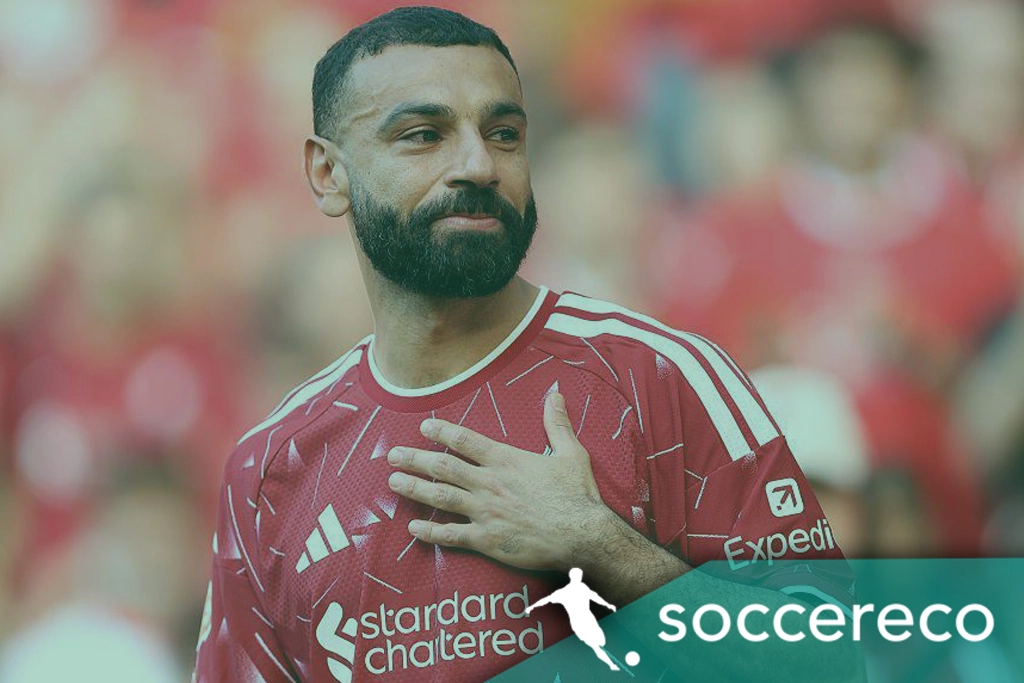
Konrad Laimer appeared somewhat irritated in front of the camera on Monday after the defeat to Argentina. According to the Austrian, referee Amin Omar applied different rules for the Argentinians.
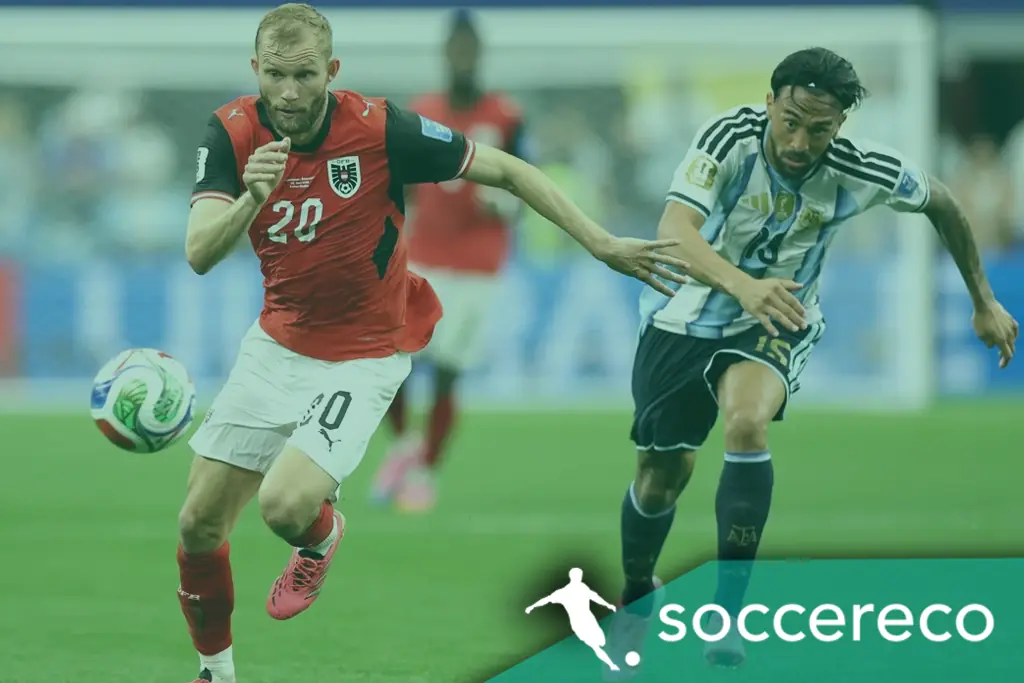
Laimer left frustrated by Argentina defeat as refereeing decisions dominate post-match reaction
Austria left the pitch with a sense of frustration after a 2-0 defeat to Argentina, and Konrad Laimer made it clear after the final whistle that the result was not the only thing bothering him. The Austrian midfielder appeared visibly irritated when speaking after the match, particularly about the way referee Amin Omar handled several moments during the game.
Argentina secured the victory with a controlled and clinical performance, but for Austria the match felt like one shaped by small margins, physical duels and decisions that, in their view, did not always go both ways. Laimer did not hide his annoyance. He felt Austria had enough positive periods in possession to trouble Argentina, but also believed that several key moments went against his team.
The Bayern Munich midfielder was already unhappy during the first half. One of the incidents that angered him most involved Lautaro Martínez, who appeared to make a kicking motion after a challenge. Laimer felt the action deserved at least a yellow card, but the referee allowed play to continue without taking disciplinary action. For Austria, that moment seemed to set the tone for what became an increasingly frustrating evening.
Laimer later explained that Austria had managed to play through certain phases of the match with confidence. They were not completely dominated, nor did they feel out of the contest for long stretches. However, against a team like Argentina, he admitted that every lost ball and every small mistake can quickly become dangerous. Argentina do not need many invitations to hurt an opponent, especially when Lionel Messi is involved.
According to Laimer, the problem was not simply that Argentina were strong, aggressive or experienced. His main complaint was that the South American side seemed to be allowed to interrupt Austria too often without being punished early enough. He said it felt as if Argentina could make foul after foul without consequences, adding that their first yellow card only arrived after around 70 minutes.
That delay clearly annoyed him. In Laimer’s view, the referee allowed the game to develop in a way that benefited Argentina’s rhythm and physical approach. Austria tried to build attacks, move the ball and create moments of pressure, but Laimer felt they were repeatedly stopped before those attacks could fully develop. For a team trying to unsettle the world champions, those interruptions can make a major difference.
He also suggested that modern refereeing has become difficult to understand, especially when yellow cards are not shown for repeated fouls or clear tactical interruptions. Laimer admitted that he knows complaining after the match does not change anything, but he also made it clear that such decisions can influence how a game feels on the pitch. When one team senses that it can keep making contact without punishment, the balance of the match can change.
Still, Laimer was careful not to blame everything on the referee. He acknowledged that Austria also made mistakes and that their own performance was not perfect. That honesty gave his comments more weight. He was not claiming Austria had played a flawless match or that the defeat was only caused by refereeing decisions. Instead, he pointed to a combination of factors: Austria’s own errors, Argentina’s quality, and a refereeing standard that he believed was too lenient toward the opposition.
One of Austria’s biggest issues was losing the ball in unnecessary areas. Against many teams, those mistakes might not be punished immediately. Against Argentina, they are dangerous from the first second. Laimer underlined that point when speaking about Messi. Once the ball reaches him, the entire situation changes. Even if he appears quiet for long periods, Messi can instantly read the game, choose the right pass or create space where none seems to exist.
Interestingly, Laimer’s tone changed completely when the conversation moved from refereeing to Messi. His irritation gave way to admiration. Speaking to ServusTV, he praised Messi’s ball control, his final pass and above all his calmness under pressure. Even though Messi missed an early penalty, Laimer still described his influence as extraordinary.
That contrast said a lot about how Austria experienced the match. On one hand, there was clear frustration with the officiating and with Argentina’s ability to escape punishment for several fouls. On the other, there was respect for the individual quality that separates Argentina from most teams. Laimer did not try to deny Messi’s greatness. In fact, he seemed almost fascinated by how the Argentine captain can spend parts of the match standing still, waiting, watching and then suddenly deciding the direction of an attack.
For Laimer, that is what makes Messi so different. He does not need to run constantly to control a game. He does not need to touch the ball every few seconds to remain dangerous. His threat exists even when he is away from the main action, because the moment he receives possession, defenders must react immediately. That ability to change the match in one action remains one of Argentina’s greatest weapons.
Laimer also said it was special to face the best players in the world. Despite the disappointment of the defeat, he recognised the value of competing at that level. Austria wanted to challenge Argentina, and for spells they did. But against opponents with that much experience and quality, good spells are rarely enough unless they are combined with near-perfect decision-making.
The controversy did not end with Laimer. Peter Schmeichel also questioned one of the biggest moments of the match. The former Manchester United goalkeeper said on Fox Sports that Messi’s opening goal should not have been allowed to stand. According to Schmeichel, Alexis Mac Allister committed a foul on Xaver Schlager in the build-up by kicking him from behind.
Schmeichel believed the incident should have resulted in a free-kick for Austria and argued that the VAR should have intervened. His criticism added another layer to the debate, because it was not only an Austrian player expressing frustration. A neutral former player and respected analyst also felt that a key decision had gone Argentina’s way.
That moment was particularly important because the first goal changed the emotional direction of the match. Until then, Austria could still believe they were fully in the contest. Once Argentina went ahead, the game became far more difficult. Argentina are one of the best teams in the world at protecting a lead, slowing the rhythm when necessary and choosing the right moments to attack. For Austria, chasing the game meant taking more risks, and those risks naturally opened more space for Argentina on the counter.
From Argentina’s perspective, the match was another example of their competitive maturity. They did not need to produce their most spectacular football to win. They managed the game, used their physicality, trusted their experience and relied on decisive quality in the final third. That is often the mark of an elite side: winning even when the match is tense, scrappy or surrounded by debate.
For Austria, however, the defeat will be difficult to accept without thinking about the refereeing decisions. Laimer’s comments reflect the feeling of a team that believed it had more to give but was never allowed to fully settle into its rhythm. The frustration was not only about fouls, yellow cards or one isolated incident. It was about the general feeling that Argentina were given more freedom to play on the edge.
At the same time, Austria will know that frustration alone cannot become the main conclusion from the match. There were football lessons too. They showed quality in possession at times, but they also lost the ball too cheaply in dangerous moments. They competed physically, but they were not always precise enough under pressure. They respected Messi, but still found it almost impossible to completely remove his influence.
That is the challenge Argentina create. Opponents can prepare well, compete hard and even feel wronged by certain decisions, but they still have to deal with the individual brilliance of players who can decide matches in seconds. Messi remains the clearest example of that. Even on a night when he missed a penalty, his presence shaped the way Austria defended, pressed and reacted.
Laimer’s reaction after the final whistle captured the contradiction of facing Argentina. There was anger, because Austria felt the refereeing standard was inconsistent. There was disappointment, because the final score left no room for reward. But there was also respect, especially for Messi, whose calmness and intelligence continue to impress even opponents who leave the pitch frustrated.
In the end, Argentina moved on with a 2-0 victory, while Austria were left with complaints, regrets and the feeling that the match could have looked different with earlier disciplinary action. Whether those complaints will change anything is another matter. What is clear is that Laimer did not see the defeat as a simple case of Argentina being better in every department. For him, the small details mattered, and on this occasion he felt too many of those details went Argentina’s way.