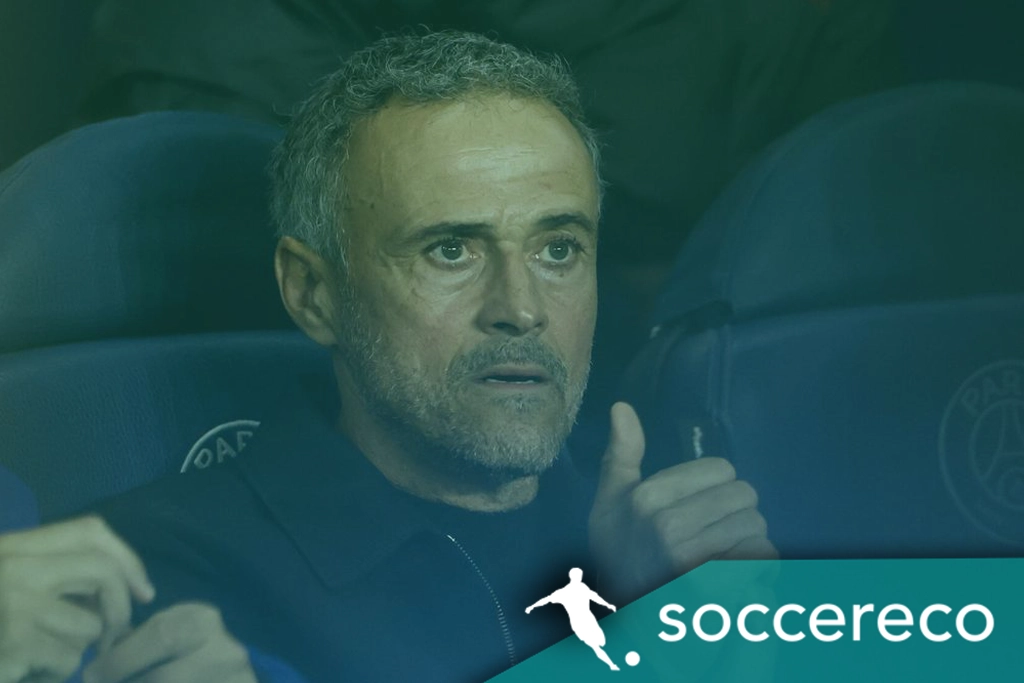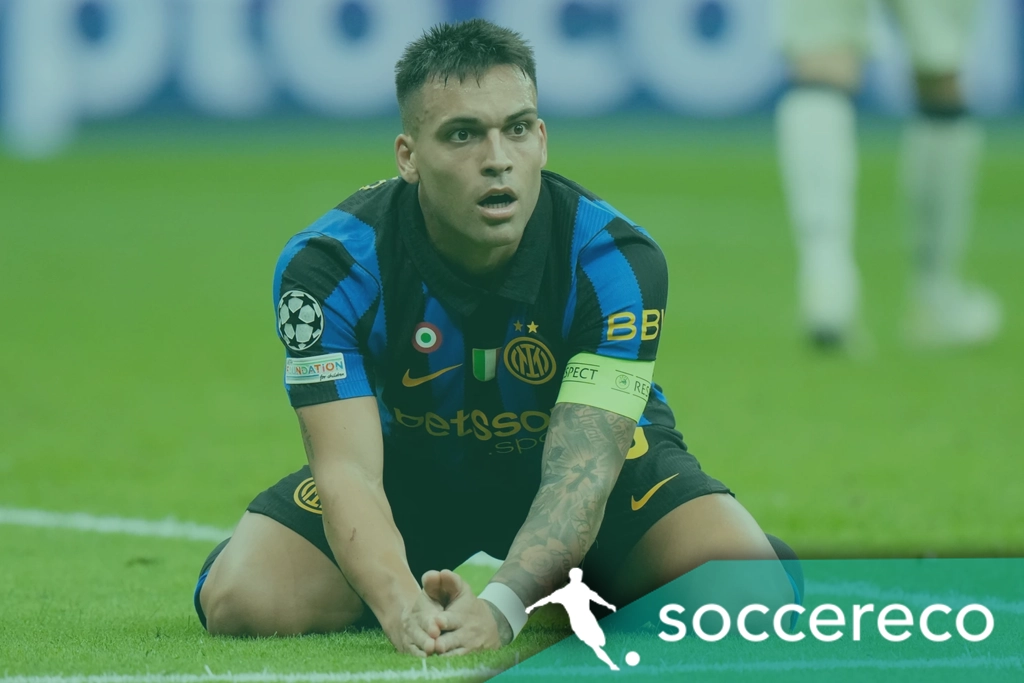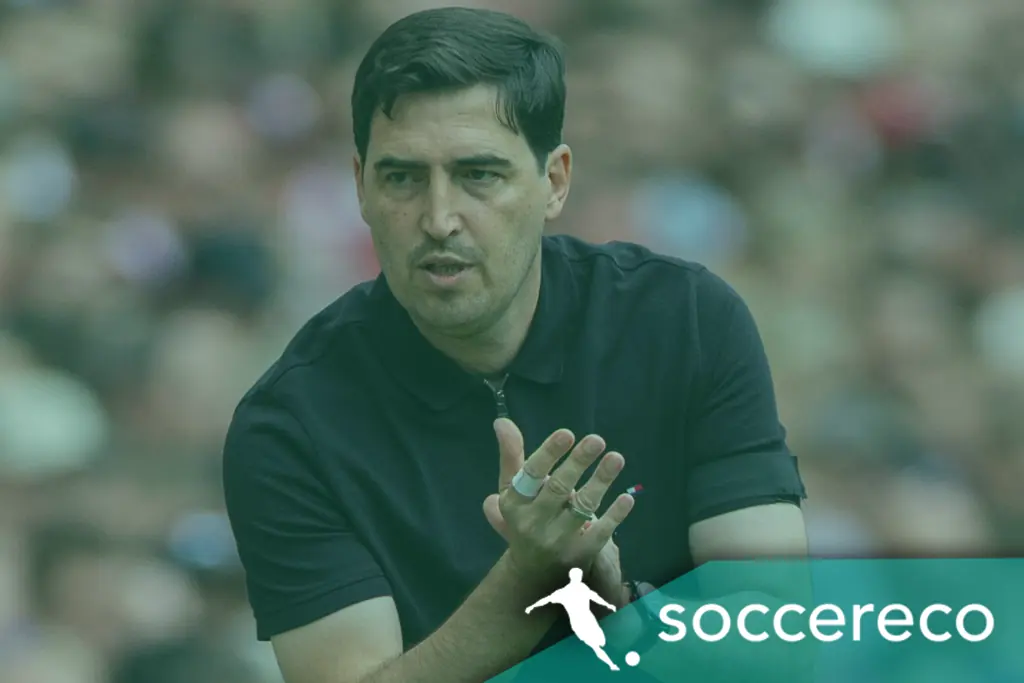
Liverpool lost 2-0 in Paris in the Champions League quarter-final first leg, with Arne Slot explaining why Mohamed Salah stayed on the bench throughout the match.
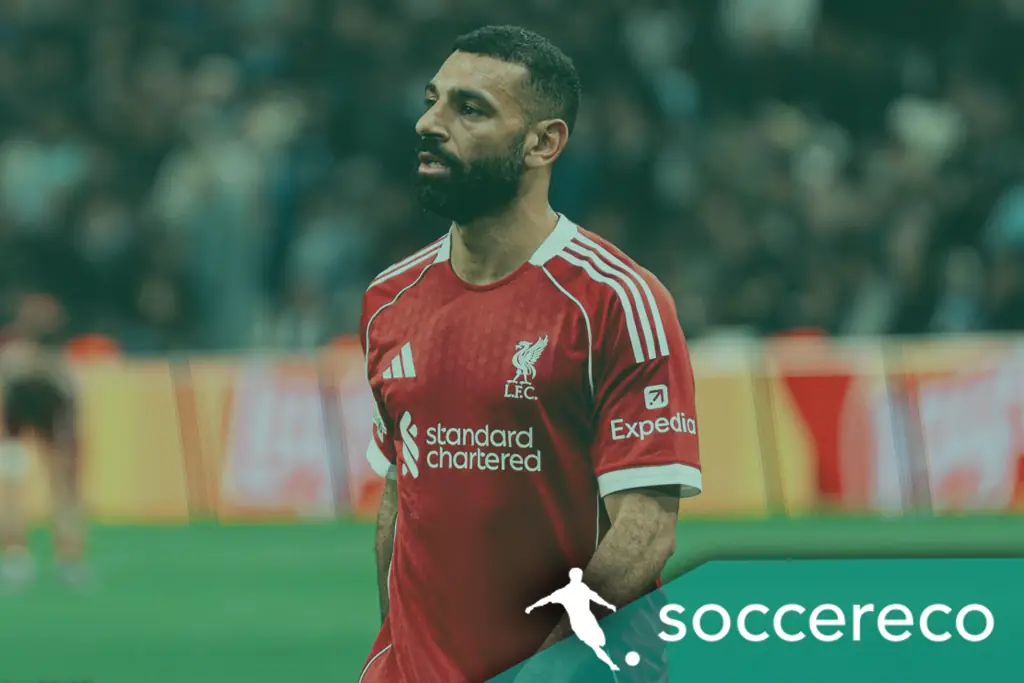
A difficult night for Liverpool in the French capital
Liverpool suffered a damaging two nil defeat in Paris in the first leg of their Champions League quarter final, a result that leaves the English side with work to do before the return match at Anfield. It was a tense and demanding contest in which Liverpool spent long periods under pressure, struggling to impose their usual rhythm and finding it difficult to create the kind of attacking moments that could have changed the tone of the evening.
Beyond the result itself, one of the main talking points after the final whistle was the absence of Mohamed Salah from the action. The Egyptian forward remained on the bench throughout the match, a decision that naturally raised eyebrows given his status, his quality and his ability to produce a decisive moment even in the most difficult circumstances. In a game where Liverpool needed inspiration and cutting edge, many expected Salah to be introduced at some stage, especially once the team found itself chasing the result.
Instead, Arne Slot opted against using one of his biggest stars, and after the match the Liverpool manager offered a clear explanation for that choice. His comments reflected not only the flow of the game in Paris, but also a broader calculation about energy, balance and the physical demands of the weeks ahead.
Slot saw survival rather than opportunity
According to Slot, the closing stages of the game did not offer the right conditions for a player like Salah to make his usual impact. The Dutch coach explained that, for the final part of the match, Liverpool were focused far more on surviving the pressure than on building sustained attacking moves. In his view, the match had reached a point where Liverpool were being forced to defend deep, protect their own box and absorb wave after wave of attacking threat.
That tactical reality was central to his thinking. Salah is one of the most dangerous forwards in world football when there is space to attack, transitions to exploit and situations in which his movement, pace and finishing can be decisive. But if the game becomes one of constant retreat, with long stretches spent defending close to goal, the value of introducing him changes. Slot made it clear that he did not see much logic in using such an important attacking player merely to spend twenty or twenty five minutes helping to protect the penalty area.
It was a practical decision rather than an emotional one. The Liverpool coach was not questioning Salah importance or quality. Quite the opposite. His explanation suggested that Salah value is so high that it made more sense to protect him than to throw him into a phase of the game where his best attributes were unlikely to be fully used.
A decision shaped by the wider calendar
Slot also made another point that should not be ignored. Liverpool are entering a crucial stretch of the season, with major domestic and European fixtures arriving one after another. In that context, squad management becomes a serious strategic issue. Every minute played by key figures must be considered carefully, especially when the physical intensity is high and recovery time is limited.
Salah remains one of the central figures in the Liverpool attack, both as a goal scorer and as a player capable of tilting major matches with one action. Preserving his energy for the coming weeks may therefore be seen as part of a longer term calculation. Slot was effectively balancing the immediate desire to react in Paris against the broader need to keep his most decisive players ready for the next challenges.
Managers at the highest level often face these difficult choices. Supporters naturally focus on the present match and ask why the biggest attacking weapon stayed unused. Coaches, however, must often think across a sequence of fixtures, physical data, tactical context and game state. Slot view appears to have been that Liverpool were no longer in a phase where introducing Salah would significantly improve their attacking chances, and that using him in those circumstances would carry more cost than benefit.
Memories of a late twist, but a different match this time
Slot himself acknowledged that football can always produce surprises. He referred to a previous situation in which Liverpool still managed to score late, with Harvey Elliott finding the net after Salah had been taken off. That memory served as a reminder that no match is ever completely closed while the final whistle has not yet sounded. One chance can change everything, even in a game where a team has been under pressure for long spells.
Yet the manager clearly felt that this match in Paris was moving in a very different direction. Instead of building momentum toward a late push, Liverpool were spending those final minutes resisting and retreating. The structure of the game, in his eyes, did not suggest that the visitors were on the verge of creating repeated openings. Rather, it was a period in which defensive concentration and physical endurance were taking priority over adventurous substitutions.
That distinction matters. A coach may keep an attacker in reserve if he believes a final attacking spell is likely. But if the game is unfolding almost entirely in the defensive third, the calculation changes. Slot reading of the contest was that Liverpool needed stability and survival, not a fresh forward waiting for service that might never arrive.
Paris took control and punished Liverpool
On the pitch, the home side made their superiority count with two important goals. Doue opened the scoring and gave the reigning European champions the platform they wanted, while Kvaratskhelia added the second after being set up by Joao Neves. The quality of the goals reflected the level of attacking talent on display, but they also highlighted the difficulties Liverpool had in limiting dangerous situations over the course of the night.
Paris were sharper in key moments, more assertive in possession and more effective when the game opened up around the box. Their movement caused problems, their technical quality forced Liverpool to chase and their pressure made it hard for the visitors to settle. Even when Liverpool tried to regain control, they found themselves dragged back into defensive work by the speed and confidence of the home attack.
For Liverpool, the defeat was frustrating not only because of the two goal margin, but also because it left the feeling that the team never truly found the attacking authority required on such a stage. There were moments of resistance and discipline, but too few periods in which they looked capable of swinging the match in their favour.
Why Salah absence became the main debate
Whenever a player of Salah stature remains unused in a major European away game, discussion is inevitable. He is not just another forward in the squad. He is one of the defining players of the modern Liverpool era, a footballer with a long record of decisive goals, elite production and big match influence. His presence on the bench throughout the night therefore became a symbol of Liverpool difficulties as much as a tactical story in itself.
Supporters will always wonder whether one run behind the defence, one shot from the right side or one piece of composure in the final third might have changed the scoreline. That is the nature of elite forwards. They create the sense that even when a team is not functioning well, they can still alter the game with a single moment.
Slot explanation will not silence every debate, but it does provide a coherent footballing logic. He believed the match had become too defensive, too deep and too physically draining in the wrong areas for Salah to offer his best. Rather than using him out of desperation, he chose to keep him fresh for the challenges that now lie ahead.
Everything now shifts to the second leg
Liverpool still have time to respond, but the return leg now carries enormous weight. A two nil deficit against a side of this quality is serious, and Liverpool will need a far more forceful and composed display on home soil if they are to keep their European campaign alive. The atmosphere at Anfield may yet play an important part, but the team will need more than emotion. They will need control, sharper finishing and far better attacking sequences than they produced in Paris.
If Salah starts the second leg, as many will expect, the spotlight on him will be even brighter after sitting out the first encounter. Slot decision in Paris has effectively increased the sense that Liverpool are saving one of their biggest weapons for the moment when they hope to launch a true response. Whether that plan pays off will become one of the major storylines of the tie.
For now, the first leg belongs to Paris, who took control of the contest and earned a valuable advantage through goals from Doue and Kvaratskhelia. For Liverpool, the night ended in defeat, while the conversation afterwards quickly turned toward the bench, Salah and a managerial call that Slot defended with calm and clarity.
In the end, his explanation was simple. He did not see a game that was inviting an attacking specialist onto the pitch. He saw a team under siege, a match slipping into a survival exercise and a crowded fixture list that demanded careful thinking. Whether that judgment proves wise will depend on what happens next, but in Paris, Arne Slot chose preservation over gamble, and Liverpool left the French capital facing a steep climb.