Sergio Ramos is reportedly part of an investor group that has submitted a €400 million bid to buy 100% of Sevilla, with a final decision pending an external debt audit.
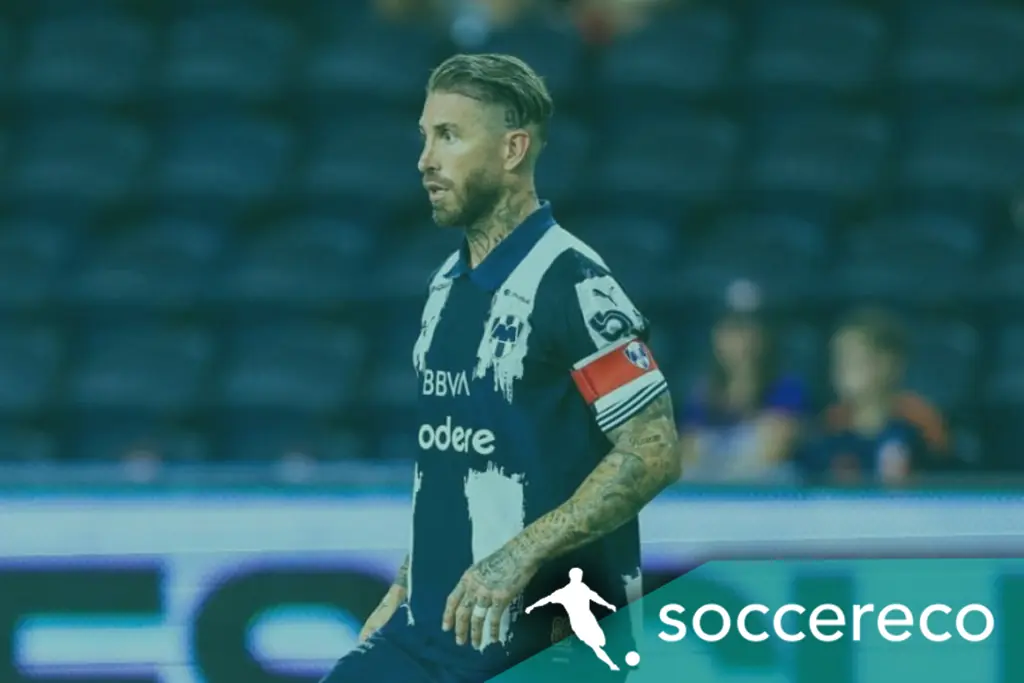
Sergio Ramos being linked to a potential Sevilla takeover has shifted from a simple rumor into a story with real financial and strategic weight, because the reports are no longer just about personal interest or sentiment.
The claim is that Ramos is connected to an investor consortium that has put a €400 million proposal on the table to acquire 100% of the club, and even though he is not portrayed as the main source of capital, he is positioned as the project’s most visible representative. That detail matters, because in modern football ownership, the most powerful figures behind a bid are often private financiers who prefer discretion, while a famous football name can provide legitimacy, media traction, and a narrative that resonates with supporters and stakeholders.
The structure implied by the reporting suggests this is not a straightforward, unconditional purchase that can be completed quickly. The group’s willingness to proceed is said to depend on the outcome of an external audit intended to confirm the true size and nature of Sevilla’s debt and obligations. In practical terms, that is a standard but decisive stage in any takeover, and it can be the point where deals either accelerate or collapse. Clubs can carry layers of liabilities that are not always obvious from the outside, including transfer instalments owed to other teams, agent fees, financing arrangements linked to future revenue, tax or social security exposures, stadium related commitments, and contractual costs tied to coaching staff and player exits. A buyer who takes 100% control inherits all of that, so the difference between a manageable debt profile and a structurally damaging one can change the logic of the entire bid.
A headline figure like €400 million can also mean different things depending on how the offer is constructed. In some deals, the number largely reflects the equity value paid to current shareholders. In others, the figure includes a combination of equity plus a commitment to refinance or repay debt, inject working capital, and fund a multi-season sporting rebuild. Without the detailed terms being public, the safest interpretation is that the proposal represents an overall valuation or package rather than a guarantee of immediate cash paid directly into the hands of existing owners. That distinction matters because it shapes how attractive the bid is to the people who control the shares, and it also shapes expectations among fans who might assume a massive cash injection will instantly transform the squad.
Ramos’ presence gives the story an emotional and symbolic angle that is hard to ignore, because Sevilla is not a random target for him. He is a product of the club’s academy, he played for the first team before leaving for Real Madrid, and he later returned for a further spell. This creates a storyline of a homegrown icon moving from the pitch to the boardroom, presenting himself as someone who understands the club’s identity and can protect it. At the same time, his career profile, global recognition, and connections across football can be marketed as strategic advantages for attracting commercial partners, sponsorship interest, and international visibility, particularly if the club is looking to expand beyond its traditional markets.
Even so, having a famous face attached to a bid does not automatically solve the hard problems that define football ownership. A club like Sevilla operates inside a financial ecosystem where performance drives revenue, and revenue drives performance. European competition income, domestic league placement, player trading results, and wage control all feed into whether the club can invest sustainably or falls into a cycle of short-term fixes. If the club is carrying significant obligations, the owners may need to prioritize stability, cost control, and structured investment rather than headline signings. That can create tension if supporter expectations rise because of the Ramos name and the size of the reported offer.
If the consortium does decide to move forward after the audit, the process would likely involve several layers of negotiation and approval. Purchasing 100% of the share capital is not only a question of agreeing a price. It requires aligning with the existing ownership structure, satisfying regulatory checks, and putting governance plans in place that demonstrate financial capacity and compliance. In Spain, as in other major leagues, ownership changes are typically scrutinized in terms of funding sources, transparency, and the ability to meet the club’s obligations. A credible takeover plan usually needs to show how debt will be managed, how cash flow will be stabilized, and how the club will remain competitive under financial constraints.
From a sporting perspective, a new ownership group would quickly face decisions that define its credibility. The first is the leadership structure: who runs the club day to day, who leads recruitment, and what philosophy is adopted for building the squad. A common risk in high-profile takeovers is prioritizing branding over operational competence, but the successful models tend to combine both: a strong public narrative paired with experienced executives who can manage wages, negotiate transfers, and plan across multiple seasons. If Ramos is primarily the figurehead, the real test becomes the quality of the people the group appoints around him, and whether their sporting plan matches the financial reality that the audit will reveal.
Another key issue is the relationship with supporters and the wider Sevilla environment. Sevilla is a club with a strong identity and a fanbase that tends to demand both competitiveness and institutional seriousness. Any new owners would need to be clear about what they are buying into: a club with high expectations, intense local scrutiny, and a competitive landscape where Real Madrid, Barcelona, Atletico Madrid, and emerging projects constantly raise the bar. That does not mean Sevilla cannot compete, but it usually requires smart scouting, disciplined wage structures, and a coherent style of play that supports player development and resale value. In other words, the club’s traditional strengths, including recruitment and talent identification, may matter more than star power.
There is also the question of timing and motivation. Ramos recently left Monterrey, and at 39 he is at the point where his post-playing career identity becomes important. A role in a takeover project could be part of a broader transition into football leadership, ownership, or sporting direction. But football ownership is not a ceremonial position. It comes with reputational risk if results worsen, if finances remain difficult, or if the project is perceived as lacking transparency. That is why the audit condition is such a central element of the story. It suggests the group is at least attempting to approach the deal with professional caution, rather than rushing in on emotion or publicity.
If the bid were ultimately accepted, the immediate narrative would likely focus on a new era, but the underlying reality would be a longer, more complex transformation. The first season under a new regime is often about stabilization: restoring confidence, reducing unnecessary costs, and creating a clear sporting plan. The next phase is about recruitment efficiency, aligning the academy pathway with first-team needs, and repairing any damage to the club’s competitive position. A true reset can take multiple transfer windows, and it can require unpopular decisions, including selling valuable assets to balance the books and reinvesting in younger profiles.
For now, the most accurate way to frame the situation is that the story is at a conditional stage. A reported offer and a famous figure attached to it create momentum, but the outcome depends on due diligence and on whether the numbers support the ambition. If the audit confirms a debt profile the consortium believes it can manage, the negotiations could progress and become a genuine attempt to change ownership. If the audit uncovers liabilities or constraints that make the project too risky, the group could reduce the valuation, change the structure, or walk away entirely. In either scenario, the fact that Sergio Ramos is publicly associated with a proposal of this magnitude ensures the story will remain prominent, because it touches not only on money and ownership, but also on identity, legacy, and the increasingly blurred line between football icons and the business of football.