Igor Tudor will make his debut as Tottenham Hotspur manager on Sunday afternoon. The coach can brace himself, because he faces league leaders Arsenal and will also be without a great many players.
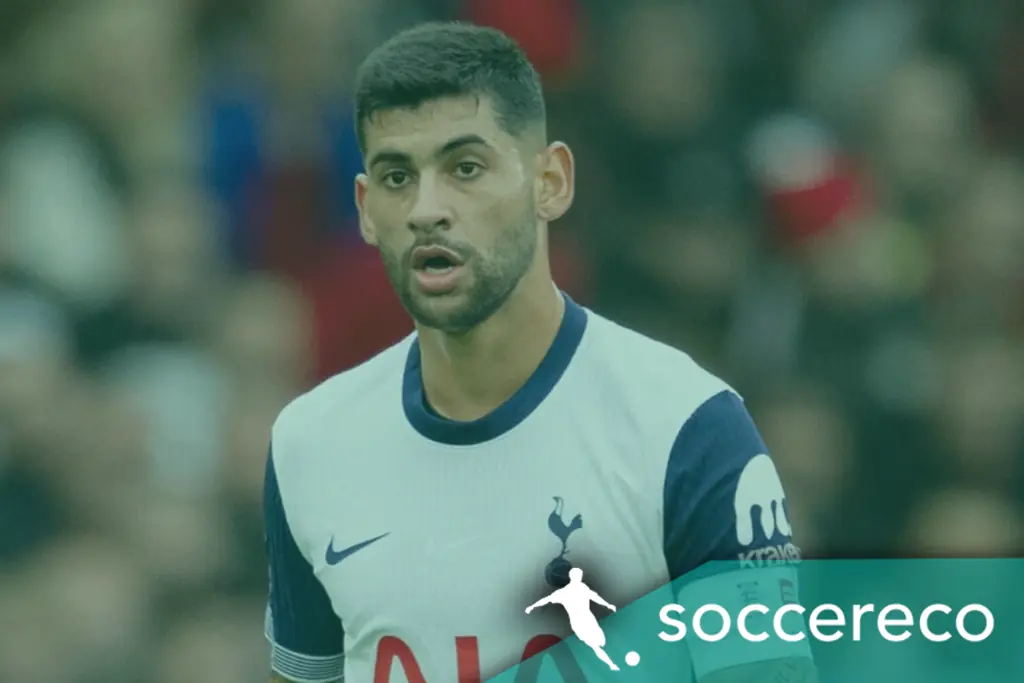
Igor Tudor barely has time to learn names and routines before being thrown straight into the deep end.
Tottenham Hotspur have turned to the Croatian as an interim solution until the end of the season, but his first weekend in charge comes with the kind of pressure that usually belongs to managers who have had months to settle in. The message from the new coach is not about tactical novelty or grand promises. It is about survival, urgency, and building something basic but essential: a team that competes together, especially when everything around it feels unstable.
Tudor described the moment as a very special situation during Friday press conference, and it is not hard to understand why. Tottenham are dealing with 10 injury cases, leaving the training ground looking unusually empty for a club operating at this level. The reality of the week has been brutal: Spurs have only trained with 13 players. That number matters because it shapes everything. It limits intensity, reduces tactical rehearsal, cuts down on competitive drills, and makes it harder to replicate real match conditions. Even simple automatisms like pressing triggers, defensive rotations, or build up patterns become difficult to reinforce when you are essentially working with a skeleton group.
And there is no gentle introduction waiting on the weekend. Tottenham Hotspur next match is the North London derby against Arsenal, scheduled for 22-02-2026 at 17:30, a fixture that usually demands a full squad, perfect concentration, and emotional control. Instead, Tudor is preparing for it with a depleted group and one of the most important figures missing for disciplinary reasons: captain Cristian Romero is suspended. In a derby, leadership at the back matters as much as tactics. Romero is not just a defender, he is a tone setter in duels and a voice that organises those around him. Removing that presence from a team already short of options makes the challenge heavier.
The defensive situation is the clearest example of how tight things are. Tudor has only Micky van de Ven and Radu Dragusin as recognised centre backs available. That is a huge constraint for any coach, but particularly for one who, by preference, often likes to start with 3 central defenders. A back three can offer stability, allow wing backs to push, and provide cover when pressing aggressively. But with only two natural centre backs fit, the standard blueprint is immediately compromised. Tudor can adapt by using a different shape, by asking a full back or midfielder to fill in centrally, or by choosing a more conservative approach that reduces exposure. None of those options is ideal in a derby against a side that attacks with structure and speed.
This is why Tudor keeps returning to mentality. He made it clear that his first objective is to make Tottenham a team in the true sense of the word, one that suffers when it has to suffer and fights, runs, and shows the right attitude. He also pushed back on the typical obsession with formations by saying he believes in style, and that style matters more than the system. In this context, style means the collective behaviours that do not require weeks of training to understand: sprinting back after losing the ball, protecting teammates, winning second balls, being brave in duels, and staying compact when the match becomes chaotic. It is the kind of foundation an interim coach tries to build first, especially when there is no time to install complex ideas.
Arsenal arriving as league leaders only sharpens the contrast. They come into the derby with continuity, clarity, and a well drilled identity that functions regardless of minor personnel changes. Tottenham, on the other hand, are trying to reset under a new coach while patching together availability across the pitch. In practical terms, Arsenal will likely look to test Tottenham organisation early, press aggressively, and force mistakes in the first phase of build up. If Spurs struggle to play out cleanly, Arsenal will gain territory and keep Tottenham pinned deep, where repeated waves of attacks can eventually create openings.
For Tudor, one of the biggest calls will be where Tottenham defend on the pitch. A higher press can inject energy, get the crowd involved, and disrupt Arsenal rhythm, but it also creates space behind the defence. With limited centre back options, that space can be dangerous. If Tottenham step up and get bypassed, they risk exposing van de Ven and Dragusin in open field situations, exactly the kind of moments Arsenal thrive on with quick combinations and runners arriving from midfield. A deeper block reduces space in behind, but it invites Arsenal to camp around the box, recycle possession, and create pressure through volume: crosses, cut backs, and shots from the edge of the area. There is no risk free choice, only trade offs.
Another key decision is how Tottenham use possession. With so little time together on the training pitch, building a controlled possession game against an organised Arsenal press can be risky. If Spurs insist on playing short under pressure, turnovers can become immediate chances against. Tudor may choose a more mixed approach: some short sequences when the moment is right, but also direct balls into advanced areas to relieve pressure, win territory, and force Arsenal to defend transitions. Even if those direct attacks do not lead to immediate chances, they can create set pieces, slow the tempo, and give Tottenham defence a chance to breathe.
Set pieces themselves could become an important route for Spurs. In matches where open play chances are limited, corners and free kicks can tilt the balance, especially in a derby where emotions run high and second balls are fought for with extra intensity. Tudor will want aggression and focus in those moments, because a single lapse can decide the match. Equally, he will demand discipline to avoid cheap fouls in dangerous zones, particularly if the team are forced into prolonged defending.
The bench and game management are also central to the story. A depleted squad reduces the ability to change the match late on. If Tottenham legs go, the options to refresh the press or protect a lead may be limited. That increases the importance of pacing, smart pressing rather than constant pressing, and controlling emotional swings. Derbies often produce phases where the game becomes frantic for five or ten minutes. A new coach with little time can still influence those phases by demanding calm, clear roles, and collective responsibility.
Tudor background suggests he is comfortable in these short term, high pressure environments. He has worked at major clubs like Juventus and Lazio and has a reputation for quick impact. He has also dealt with stressful survival scenarios at Udinese in the past, where immediate points mattered more than long term aesthetics. When asked about any secret, he downplayed it completely, saying he simply does his work and focuses on solving problems, because problems exist everywhere, even at the biggest clubs. That line fits the current Tottenham reality. The first job is not to impress with tactical complexity. It is to stabilise, create accountability, and get the group to compete together.
So the derby becomes more than a rivalry match. For Tottenham, it is a stress test of unity at a moment when the squad is stretched thin. For Arsenal, it is a chance to take advantage of instability across town and underline their authority as leaders. And for Tudor, it is an instant exam: can he get a battered group to show cohesion, intensity, and belief in the hardest fixture to debut in.
Whatever the result, the match will reveal the first signs of the Tottenham Tudor wants to build. Not a team defined by a diagram, but one defined by behaviours: how they react after losing the ball, how they protect their penalty area, how they handle pressure, and whether they can turn a very special situation into a performance that looks like a real team.