Cristiano Ronaldo is currently very unhappy at his club Al-Nassr. The 40-year-old Portuguese player has criticized the policies of Saudi Arabia’s state investment fund, the PIF, and feels he is not being appreciated. That is why Ronaldo skipped Monday’s match against Al-Riyadh.
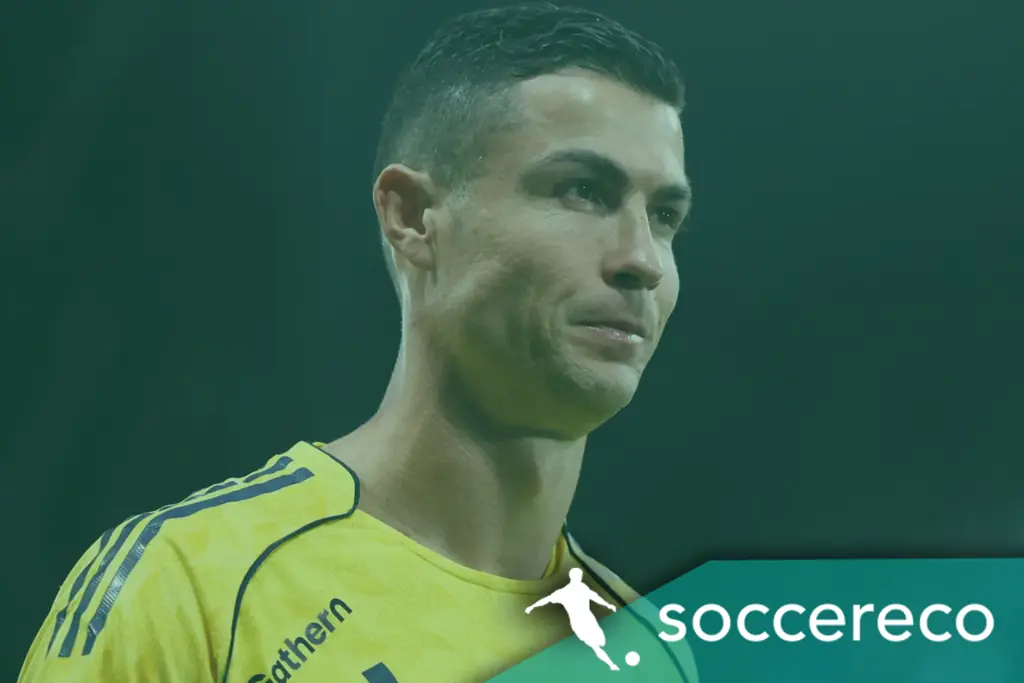
Ronaldo discontent grows at Al Nassr amid PIF tensions and exit speculation.
Cristiano Ronaldo is reportedly becoming increasingly frustrated at Al Nassr, with his dissatisfaction now tied not only to results on the pitch but also to how power and resources are being distributed within Saudi football. The central issue, as described in Portuguese reports, is his belief that the club is being structurally disadvantaged within the wider system overseen by the Saudi state investment fund PIF, which holds stakes in several of the country’s leading teams. From Ronaldo’s perspective, the competitive balance inside the league is not simply shaped by form, coaching, or recruitment decisions at club level, but by a broader strategy that can tilt the playing field in subtle, long-term ways.
The comparison being drawn most often is with Al Hilal. While Al Nassr continue to push for trophies, the perception is that Al Hilal have had an easier path to aggressive reinforcement, stronger squad depth, and a more decisive transfer-market posture. In a league where the top clubs are expected to act as flagships for a national project, the difference between “strong” and “strongest” matters. For a player like Ronaldo, whose career has been defined by relentless standards and the expectation of competing for the biggest titles every season, the idea that his team might be placed a step behind a direct rival is not a small irritation. It is the type of issue that can quickly become existential: if the club’s ceiling is being capped by forces above the sporting department, then even a great season can feel like it has an artificial limit.
According to Record, the tension is also personal and institutional. Ronaldo reportedly feels he deserves greater respect from the club’s leadership. That phrasing is important because it suggests something beyond normal frustrations about tactics or teammates. It points toward a relationship problem, potentially around how decisions are communicated to him, how his influence is acknowledged internally, and how much weight his voice carries when key sporting choices are made. Ronaldo’s argument, as reported, is rooted in the idea that he is not just a high-profile striker, but a central pillar in the league’s global growth. In other words, he sees himself as both a performer and a strategic asset, someone whose presence changes the commercial and reputational trajectory of the competition.
That logic becomes even stronger when you factor in his role as an ambassador for the 2034 World Cup, which will be hosted in Saudi Arabia. Being publicly linked to that event elevates the symbolism around his time in the league. It also raises the stakes for how any conflict is handled. If a globally recognized figure associated with the country’s football ambitions is visibly unhappy, it can create an awkward narrative, especially at a moment when Saudi football is trying to project stability, upward momentum, and cohesion.
This is why the report that Ronaldo skipped Monday’s match against Al Riyadh draws so much attention. Whether the absence was purely a protest, a reaction to internal dynamics, or something more routine, the optics are powerful. A player of his stature missing a league game immediately invites interpretation. In environments with heavy scrutiny, such moments are rarely treated as isolated incidents. They become symbols used by all sides: supporters may see them as proof of injustice or a sign that the club is losing control; critics may frame them as a lack of commitment; and the club itself may feel pressured to respond firmly to protect authority.
In the same news cycle, A Bola reported that Al Nassr’s leadership imposed a media blackout, preventing players and the coach from speaking to the press after the win over Al Riyadh. Saudi media then added that coach Jorge Jesus could face a €6,700 fine linked to the situation. Even without reading too much into it, a press boycott usually signals a club trying to contain a story. Silence is a form of damage control, but it can also amplify speculation, because it removes the normal outlet where a coach can defuse tension with calm explanations.
The result itself was narrow but significant: a 1-0 victory with the only goal scored by Sadio Mane. In the short term, it kept Al Nassr within touching distance of Al Hilal. After 19 matches, the gap is just 1 point, which means the title race remains fully alive. That context matters because it highlights the contradiction at the heart of the story. On paper, Al Nassr are close to the top and still in the fight. Yet behind the scenes, there appears to be growing friction that could undermine the run-in if it escalates.
Record also reports that Ronaldo is seriously considering leaving in the summer. The presence of a €50 million release clause gives that idea a concrete mechanism rather than being vague gossip. It introduces a real question for all parties: is the club prepared to reshape the project around keeping him satisfied, or would they accept a departure if they believe the wider strategy can continue without him?
Possible destinations mentioned in Portugal include a return to Europe or a move to MLS. Both pathways carry their own implications. A return to Europe would be framed as a competitive choice, an attempt to chase high-intensity football and major trophies again, even if the list of realistic clubs is limited by salary, squad planning, and the stage of his career. MLS, on the other hand, would be more clearly aligned with legacy, commercial impact, and a different lifestyle model, while still offering a major platform.
Ultimately, the key issue is whether this is a temporary storm or the start of a genuine break. If Al Nassr respond by showing tangible ambition in recruitment, improving internal communication, and reinforcing Ronaldo’s standing in decision-making, the story can cool quickly, especially if results continue to go their way. If not, and if the feeling persists that Al Nassr are being treated as second-tier within a top-tier group, then the pressure will keep building, and the summer could become a turning point for both Ronaldo and the league’s most high-profile club rivalry.
Updated: 10:52, 3 Feb 2026