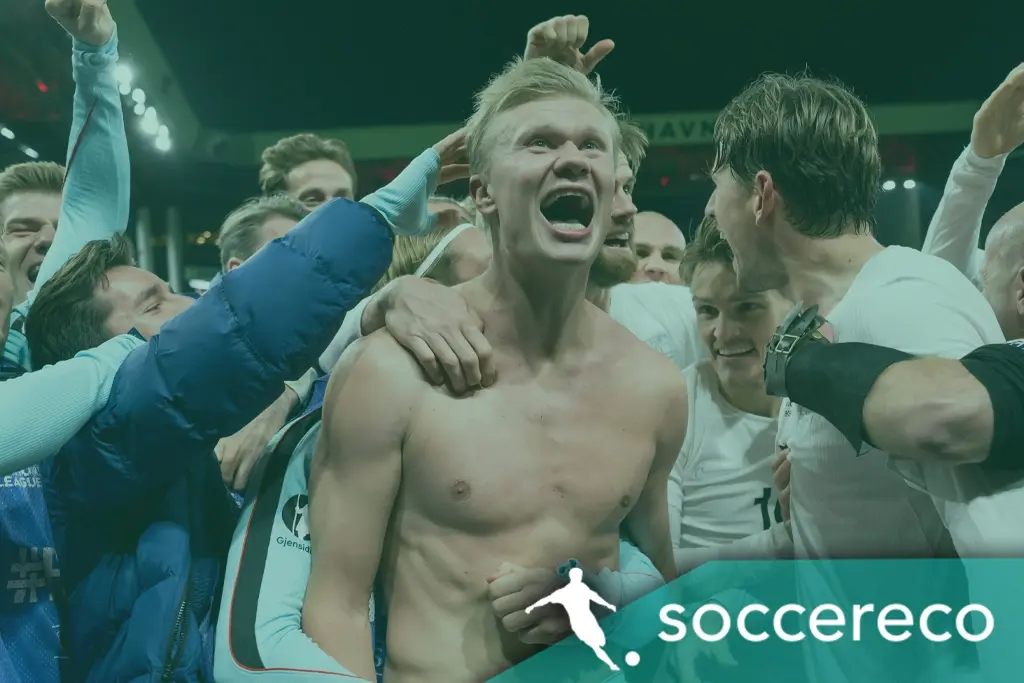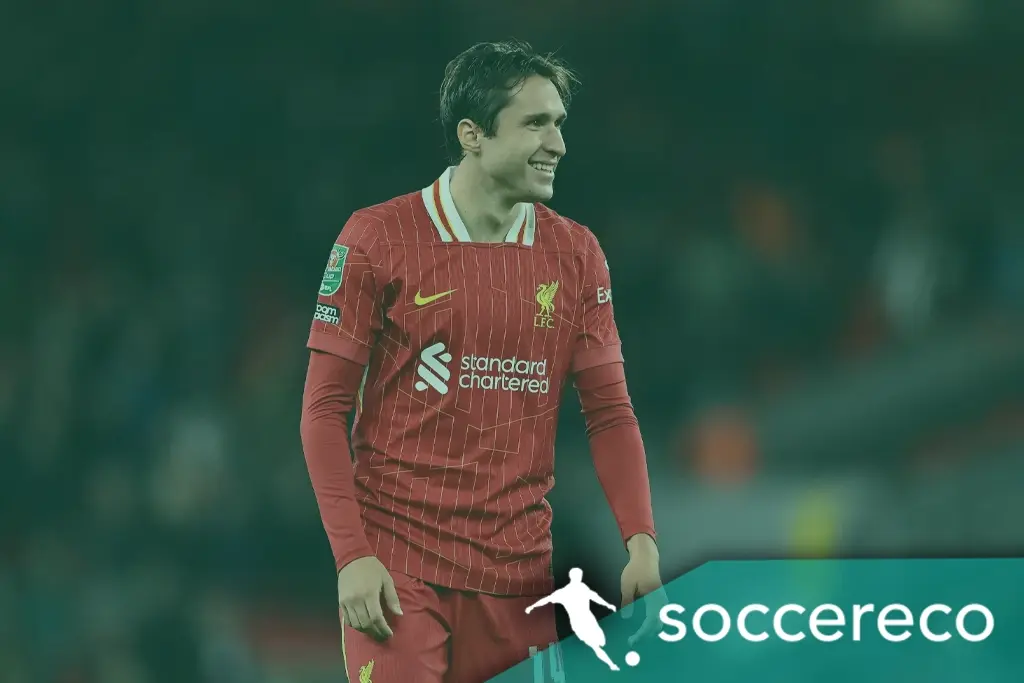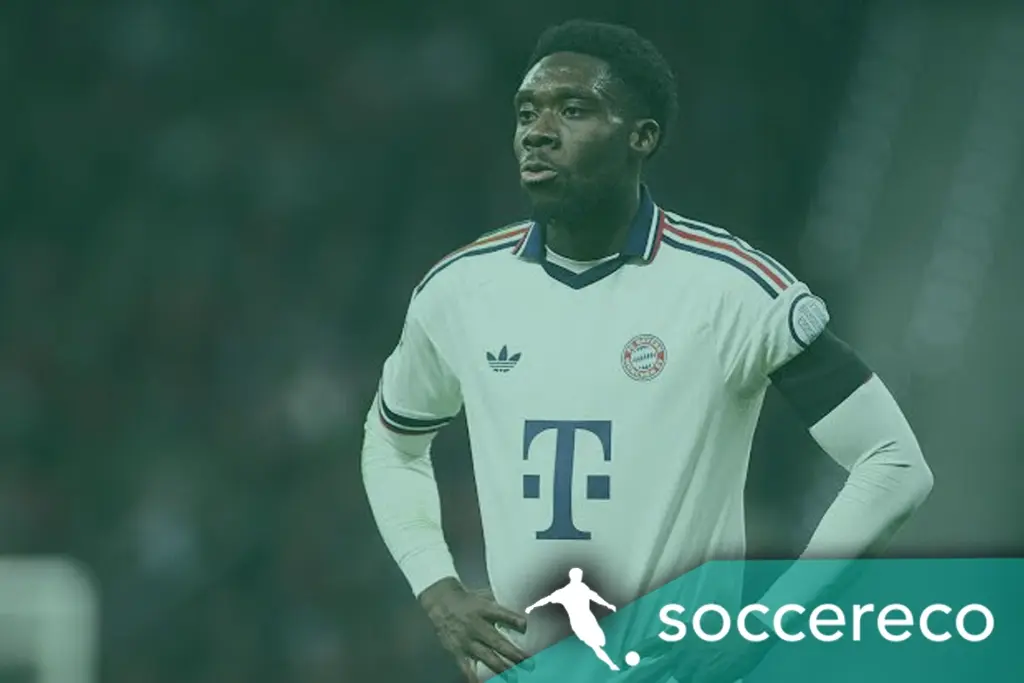
AC Milan are set to appoint Markus Krösche as their new head of football operations, strengthening the club's recruitment strategy ahead of the January transfer window under Rúben Amorim.
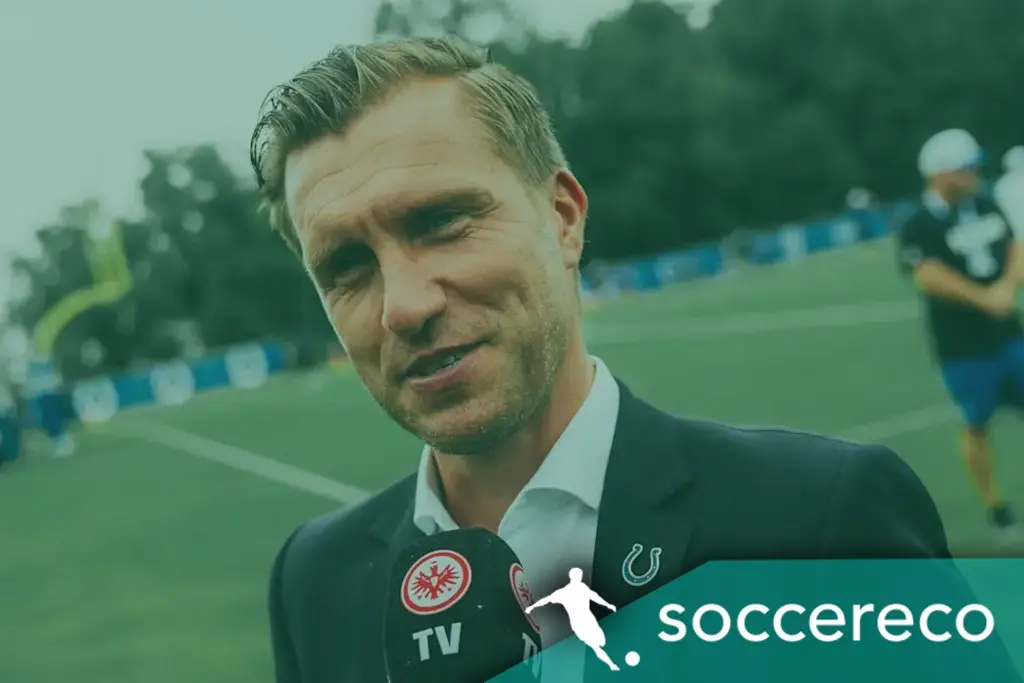
AC Milan Reach Agreement for Markus Krösche to Lead Football Operations Under Rúben Amorim
AC Milan are preparing to make an important addition to their management structure ahead of the January transfer window, with Markus Krösche set to become the club's new Head of Football. The Italian giants have reportedly reached an agreement with Eintracht Frankfurt over the compensation required to secure the German executive's release, bringing an end to several months of negotiations and allowing the Rossoneri to move forward with their plans to strengthen the squad under Rúben Amorim.
The 46-year-old is expected to officially begin his new role on January 1, 2027, although Milan are reportedly keen to involve him in preparations for the winter transfer window before that date. His arrival represents a significant development in the sporting project being assembled by club owner Gerry Cardinale, who has repeatedly expressed his confidence in Amorim and his determination to return Milan to the highest level of Italian and European football.
Unlike the player transfers that will dominate discussions over the coming weeks, Milan's latest investment is aimed at improving the decision-making process behind their recruitment strategy. Krösche has established himself as one of the most respected football executives in Germany, particularly through his ability to identify emerging talent, negotiate complex transfers and build competitive squads while maintaining financial discipline. His work at Eintracht Frankfurt attracted considerable attention across Europe, making him one of the most sought-after sporting directors on the market.
For Amorim, the appointment could prove particularly important. The Portuguese coach is attempting to establish a clear footballing identity at Milan, and having an experienced executive capable of identifying players suited to his tactical requirements could make a considerable difference. The challenge facing Krösche will be to translate the success of his recruitment model in Germany into results at a club where expectations, financial pressures and competition for trophies are considerably different.
Milan Reach Compensation Agreement With Eintracht Frankfurt
Although Krösche has not been carrying out his previous duties at Eintracht Frankfurt since October, his departure from the German club was not as straightforward as initially expected. The executive requested to be relieved of his responsibilities, a decision that was accepted by Frankfurt's supervisory board on October 18. However, the contractual arrangements surrounding his departure included a clause requiring compensation from any club wishing to employ him before the original agreement expired in 2028.
That contractual situation became the principal obstacle in Milan's attempts to complete the appointment. The Rossoneri had already made significant progress in discussions with Krösche himself, but reaching an agreement with Frankfurt was necessary before the German could formally take up his new position in Italy. Initial reports suggested that the compensation demanded could reach several million euros, leading to further negotiations between the two clubs.
According to the latest information emerging from Germany and Italy, those discussions have now produced an agreement worth approximately €4 million to €5 million. Some reports indicate that the arrangement includes a fixed payment of around €4 million, with additional bonuses potentially increasing the total depending on objectives achieved during Krösche's time at Milan.
Paying such a substantial amount for a football executive is relatively unusual, particularly when the individual concerned is no longer actively working for his previous club. Nevertheless, Milan's willingness to complete the transaction demonstrates the importance Cardinale attaches to securing the right leadership for the sporting department. The ownership appears to view Krösche's appointment as a long-term investment capable of influencing recruitment decisions involving considerably larger sums in future transfer windows.
While the financial details have not been publicly confirmed by the clubs, reports indicate that the main obstacles have now been removed. Milan can therefore concentrate on integrating their new Head of Football into the existing management structure and preparing for a January transfer window that could have a significant influence on the remainder of Amorim's first season in charge.
Gerry Cardinale Finally Secures His Preferred Candidate
Krösche's appointment has been several months in the making. Milan initially identified the German executive as a leading candidate during the summer, when Cardinale was restructuring the sporting department and preparing for the arrival of Rúben Amorim. The intention was to establish a management team capable of working closely with the Portuguese coach while implementing a more coherent recruitment strategy.
At the time, reports in Germany suggested that Milan had presented Krösche with an exceptionally lucrative proposal, potentially worth around €40 million over four years. Despite the financial attraction of the offer and the opportunity to work at one of Europe's most historic clubs, the executive decided against leaving Eintracht Frankfurt and chose to continue with the project he had helped develop in the Bundesliga.
That decision represented a setback for Milan, who were forced to reconsider their options while continuing with their plans for the new season. However, Cardinale's admiration for Krösche remained unchanged, and the possibility of bringing him to Italy resurfaced when the German requested to step away from his responsibilities at Frankfurt in October.
His unexpected availability provided Milan with a second opportunity to pursue an executive they had already identified as their preferred candidate. Discussions resumed, and this time the circumstances were considerably more favourable. Krösche was no longer responsible for Frankfurt's sporting operations, while Milan remained interested in establishing a clearer structure around Amorim before the opening of the winter transfer market.
The renewed negotiations also reflected Cardinale's desire to avoid making a rushed appointment simply to fill a vacancy. By returning to a candidate who had already been extensively considered during the summer, Milan's ownership demonstrated that Krösche's profile remained consistent with its broader ambitions for the club. His expected arrival in January therefore represents the completion of a process that began long before the current transfer window approached.
How Markus Krösche Built His Reputation in German Football
Before becoming one of the most influential executives in the Bundesliga, Krösche experienced professional football from several different perspectives. He spent much of his playing career at SC Paderborn, where he became an established figure in midfield before retiring in 2014. His transition into football management was gradual, beginning with coaching responsibilities before moving towards the administrative and strategic side of the sport.
After working within Paderborn's development structure, Krösche gained further experience as an assistant coach at Bayer Leverkusen. He subsequently returned to Paderborn as sporting director in 2017, taking responsibility for recruitment and squad planning during an important period in the club's development. His work coincided with consecutive promotions that eventually returned Paderborn to the Bundesliga, enhancing his reputation as an executive capable of operating successfully with limited resources.
Those achievements earned him a move to RB Leipzig in 2019, where he spent two years working within one of European football's most recognisable recruitment and player development systems. Leipzig had established a reputation for identifying young footballers with significant potential, providing them with opportunities at a competitive level and increasing their value through structured development.
Krösche's experience in that environment helped shape his understanding of how sporting success and financial performance could complement one another. Rather than viewing transfer spending exclusively as an immediate sporting expense, he developed an approach in which recruitment decisions also considered the future potential of individual players and the long-term requirements of the club.
In 2021, he joined Eintracht Frankfurt as the executive responsible for sporting operations. It was there that his reputation reached another level, with the German club becoming increasingly recognised for its ability to discover emerging footballers, develop their qualities and complete highly profitable transfers without abandoning its competitive ambitions.
Eintracht Frankfurt Became a Model for Intelligent Recruitment
Krösche inherited a club with considerable tradition and a passionate supporter base but without the financial resources available to Germany's wealthiest teams. Competing consistently against Bayern Munich, Borussia Dortmund and other established Bundesliga clubs required Frankfurt to identify alternative ways of building a competitive squad. The recruitment department therefore placed significant emphasis on identifying players who had not yet reached their full potential.
The strategy involved looking beyond the most obvious transfer targets and assessing footballers according to their technical qualities, physical characteristics, development potential and suitability for the team's requirements. Players who were undervalued in other environments could be offered greater responsibility at Frankfurt, where regular opportunities and a clear sporting structure allowed them to demonstrate their capabilities.
Several of those investments produced exceptional results. Frankfurt won the UEFA Europa League in 2022, defeating Rangers on penalties in the final and securing qualification for the following season's Champions League. The European triumph represented one of the greatest achievements in the club's modern history and demonstrated that careful recruitment did not necessarily require sacrificing immediate sporting ambitions.
Frankfurt continued developing their squad in subsequent seasons, eventually finishing third in the Bundesliga during the 2024/25 campaign and securing another opportunity to compete in the Champions League. Although individual departures frequently required significant adjustments, the club established a system capable of identifying potential replacements and maintaining a competitive level despite regularly selling important players.
For Krösche, those circumstances provided an opportunity to demonstrate that successful squad planning involves considerably more than negotiating attractive transfer fees. Identifying replacements before a departure becomes necessary, maintaining a balanced squad and understanding which players can adapt to the team's tactical structure are equally important elements of the process.
His record was not without setbacks, and not every recruitment decision produced the expected results. Frankfurt also experienced periods of inconsistency during his tenure, particularly when several important players departed within a relatively short period. Nevertheless, the overall financial and sporting impact of his work established him as one of the most prominent executives in European football.
The Randal Kolo Muani Transfer Established Krösche as a Major Negotiator
Among the transfers that helped establish Krösche's international reputation, the signing and subsequent sale of Randal Kolo Muani remains one of the most remarkable examples. The French forward joined Eintracht Frankfurt in 2022 after his contract with Nantes expired, allowing the Bundesliga club to secure a highly promising attacker without paying a transfer fee.
Although Kolo Muani had already demonstrated encouraging qualities in French football, few anticipated the speed with which he would establish himself in Germany. His combination of acceleration, movement, physical presence and finishing ability made him an influential figure in Frankfurt's attack, while his performances also helped him become increasingly involved with the French national team.
Interest from Europe's wealthiest clubs followed, and Paris Saint-Germain eventually completed his signing in September 2023 in a deal worth approximately €95 million, including potential additional payments. For Frankfurt, the transfer represented an extraordinary financial return on a player who had arrived only one year earlier without an initial transfer fee.
However, the significance of the operation extended beyond the financial figures. Frankfurt had identified a player approaching an important stage in his development, offered him a suitable environment in which to progress and resisted selling him until an exceptionally attractive agreement became available. The process illustrated several of the principles that have become associated with Krösche's recruitment strategy.
It also demonstrated his willingness to negotiate firmly when dealing with clubs possessing significantly greater financial resources. Frankfurt were aware of Kolo Muani's market value and the level of interest surrounding him, allowing the club to establish its own conditions rather than accepting an offer simply because a major European institution had entered negotiations.
Omar Marmoush Became Another Outstanding Transfer Success
Krösche followed the success of the Kolo Muani operation with another impressive piece of recruitment involving Omar Marmoush. The Egyptian international joined Frankfurt from Wolfsburg in the summer of 2023 after his previous contract expired, once again allowing the club to acquire a talented attacking player without paying a conventional transfer fee.
Marmoush had shown glimpses of his potential during earlier stages of his career, but he had not yet established himself as one of the Bundesliga's leading forwards. At Frankfurt, he received the opportunity to assume greater attacking responsibility and developed into a much more influential player. His pace, versatility, movement and ability to contribute through both goals and assists made him increasingly important to the team's attacking structure.
During the opening months of the 2024/25 season, Marmoush produced performances that attracted attention from several leading European clubs. His development eventually resulted in a lucrative move to Manchester City in January 2025, with the overall value of the agreement reportedly reaching around €75 million to €80 million, depending on the bonuses included.
The transfer provided another enormous financial return for Frankfurt and reinforced Krösche's reputation for identifying players whose market value could increase significantly within a suitable sporting environment. Combined with the Kolo Muani operation, the two departures generated approximately €170 million or more in reported transfer revenue, despite neither player having required an initial transfer fee.
That ability to recognise opportunities involving players approaching the end of their contracts could prove particularly valuable at Milan. The Italian club must compete for talent against teams from wealthier leagues, meaning that identifying opportunities before a player's market valuation increases can provide a considerable competitive advantage. Krösche's experience suggests that effective recruitment does not always require winning expensive bidding contests for already established stars.
Hugo Ekitiké Demonstrated Frankfurt's Ability to Revitalise Young Talent
The development of Hugo Ekitiké provided another example of Krösche's recruitment philosophy, although the circumstances surrounding the French striker were different from those involving Kolo Muani and Marmoush. Ekitiké had already attracted significant attention earlier in his career and joined Paris Saint-Germain with considerable expectations, but securing regular playing time at the French club proved difficult.
Frankfurt recognised an opportunity to recruit a young forward whose development had slowed despite possessing clear technical and physical potential. Ekitiké initially joined the German club on loan in early 2024 before the move became permanent, with Frankfurt committing a substantial financial investment to secure his services.
Unlike the previous free-transfer successes, the Ekitiké operation required a willingness to spend significant money on a player who had not yet established himself at the highest level. Krösche and the recruitment department nevertheless believed that the striker possessed qualities capable of making him successful in the Bundesliga if provided with regular opportunities and a system suited to his strengths.
That assessment proved highly profitable. Ekitiké developed into one of Frankfurt's most important attacking players, combining technical ability with intelligent movement, pace and an increasingly impressive goalscoring contribution. His performances attracted renewed interest from Europe's leading clubs, and Liverpool eventually completed his transfer in the summer of 2025 in a deal valued at approximately €95 million when potential additional payments were included.
The operation illustrated another aspect of Krösche's approach: identifying players whose talent may be greater than their current circumstances suggest. Rather than concentrating exclusively on emerging footballers from smaller clubs, Frankfurt also targeted individuals who had already experienced high-level football but required a different environment to reach their potential.
For Milan, where several players may need time to adapt to Amorim's tactical system, that experience could be particularly useful. The German executive has demonstrated an ability to distinguish between a player who lacks the necessary quality and one whose performances have been limited by circumstances, tactical incompatibility or a shortage of consistent playing opportunities.
Willian Pacho and the Importance of Recruitment Beyond the Attack
Although Krösche's most profitable transfers have frequently involved attacking players, his work at Frankfurt was not limited to identifying forwards. The development and subsequent sale of Ecuadorian defender Willian Pacho represented another notable success, demonstrating that the club's recruitment strategy could also produce significant results in defensive positions.
Pacho arrived from Belgian side Royal Antwerp in 2023 for a fee reportedly worth around €13 million to €14 million. At the time, he was regarded as a promising central defender with considerable physical qualities, but he had not yet established himself as one of Europe's most sought-after players in his position.
His performances in the Bundesliga quickly changed that perception. Pacho demonstrated composure in possession, defensive awareness and the physical attributes required to compete against high-quality attacking opponents. After only one season in Germany, Paris Saint-Germain secured his services in a transfer reportedly worth between €40 million and €45 million.
The operation further strengthened Frankfurt's financial position while highlighting the importance of scouting markets beyond Europe's most established leagues. Belgian football, in particular, has become a productive environment for developing young players before they move into larger competitions. Frankfurt's willingness to invest in that market allowed the club to identify Pacho before his valuation reached a level that would have made the transfer considerably more expensive.
For Amorim, whose tactical approach places particular importance on the qualities of central defenders, Krösche's experience in recruiting players for defensive positions could be especially relevant. The Portuguese coach requires defenders capable of contributing to the construction of attacks, maintaining concentration in transition and operating comfortably within a flexible defensive structure. Identifying footballers who combine those attributes is likely to form an important part of Milan's longer-term recruitment strategy.
Why Markus Krösche Could Be Important for Rúben Amorim
One of the biggest challenges facing any coach attempting to establish a distinctive tactical identity is ensuring that the players available possess the characteristics required to execute it. Amorim developed a recognisable footballing philosophy during his successful period at Sporting CP, where his preferred three-defender system relied heavily on coordinated pressing, technically accomplished central midfielders and wing-backs capable of contributing extensively in both attacking and defensive situations.
Implementing those principles at Milan requires more than simply changing the formation. Players must understand their positioning during different phases of the match, recognise when to press opponents and maintain the collective organisation required to prevent dangerous counterattacks. The effectiveness of the system also depends on having enough suitable alternatives to maintain consistent performances when injuries, suspensions or fixture congestion affect the starting lineup.
Krösche's arrival could provide Amorim with greater support in identifying the profiles required to make that transition successful. An effective working relationship between the coach and the Head of Football would allow recruitment decisions to reflect both immediate sporting requirements and the club's longer-term objectives. Rather than signing players exclusively because of their reputation or availability, Milan could concentrate more closely on whether individual characteristics fit the intended tactical structure.
That does not mean every signing will necessarily be selected according to Amorim's personal preferences. Milan's management must also consider the long-term interests of the club, including financial sustainability, future squad development and the possibility of managerial changes. One of Krösche's responsibilities will therefore be to balance the coach's requirements with a broader sporting strategy that remains effective beyond individual seasons.
For Milan supporters, the establishment of a clearer relationship between the ownership, sporting department and coaching staff could be one of the most encouraging aspects of the appointment. Successful football projects frequently depend on consistency between those different levels of management, particularly when a club is attempting to rebuild its squad while continuing to compete for major honours.
Cardinale Maintains His Confidence in Amorim and Promises Investment
Gerry Cardinale's public comments over recent weeks have demonstrated that Milan's ownership remains committed to the project being developed under Amorim. Despite inconsistent performances during parts of the campaign, the American businessman has continued to express confidence in the Portuguese coach and his ability to return the Rossoneri to contention for major trophies.
Cardinale has also indicated that Milan intend to be active in the January transfer market, although his recent comments suggest that the club will prioritise meaningful investments rather than simply increasing the number of players available. The objective is to identify footballers capable of making a genuine difference to the squad, particularly in positions where additional quality could improve the effectiveness of Amorim's system.
The timing of Krösche's appointment therefore appears particularly significant. With the winter transfer window approaching, Milan will have an experienced executive available to participate in the process of evaluating opportunities, negotiating with other clubs and determining which potential signings represent appropriate investments. Reports from Italy suggest that the ownership would ideally like him to become involved in preparations before his formal starting date.
January is traditionally a challenging period in which to complete major transfers. Clubs are often reluctant to lose influential players halfway through a season, while the limited time available can make negotiations more complicated. Players capable of producing an immediate impact are frequently expensive, and clubs must carefully assess whether completing a transfer during the winter is preferable to waiting until the summer.
Krösche's experience of navigating those situations could be valuable to Milan, particularly given his record of recognising opportunities involving players who are not regularly selected at their current clubs or whose contractual circumstances create possibilities for negotiation. His previous work suggests that significant improvements do not always require pursuing the most expensive or widely discussed names on the market.
January Transfer Window Could Address Milan's Tactical Requirements
Although Milan have yet to officially confirm any specific January signings, reports in the Italian media have identified several positions that could receive attention when the market opens. Strengthening the left side of the team has emerged as one potential priority, while additional attacking and midfield options have also been discussed as Amorim continues evaluating the balance of his squad.
The wing-back positions are particularly important within the Portuguese manager's preferred tactical structure. Players operating in those roles must possess the endurance to cover considerable distances, provide width during attacking phases and recover quickly when possession is lost. Finding footballers capable of combining those responsibilities with consistent technical quality can have a significant influence on the overall effectiveness of the team.
Reports have also linked Milan with ambitious potential moves involving Bruno Fernandes and Real Madrid youngster Endrick. Both names have attracted considerable attention because of their individual quality and the potential contribution they could make to the team's attacking play. Fernandes has an established relationship with Amorim through their previous work together at Manchester United, while Endrick remains one of the most closely followed young forwards in European football.
However, interest in a player should not be confused with an advanced negotiation or a completed agreement. Transfers involving high-profile individuals can depend on numerous factors, including the willingness of their current clubs to negotiate, the financial conditions involved and the player's own intentions. Milan have not confirmed deals for either footballer, and their immediate availability remains uncertain.
Krösche's appointment may also lead the club to explore less obvious alternatives. His reputation was largely built through identifying players before they became established stars, and Milan could benefit from applying a similar approach to positions requiring reinforcement. Combining experienced internationals with younger players possessing substantial development potential would be consistent with the recruitment model he successfully implemented in Germany.
Milan Must Balance Sporting Ambition With Financial Sustainability
AC Milan's financial circumstances differ considerably from those of Eintracht Frankfurt, but the importance of intelligent squad construction remains equally relevant. The Rossoneri possess a globally recognised brand, an enormous historical legacy and a supporter base that expects the club to compete regularly for the Serie A title and European trophies. Those expectations create pressure to invest in established footballers capable of delivering immediate results.
At the same time, Milan operate in an environment where Italian clubs generally cannot match the financial resources available to the wealthiest Premier League teams. Transfer fees and player salaries have increased significantly across European football, making it increasingly important for clubs outside England's richest institutions to identify alternative methods of remaining competitive.
Krösche's experience could help Milan find a balance between those different demands. His recruitment model at Frankfurt demonstrated that substantial sporting improvements can be achieved through identifying undervalued players and providing them with appropriate development opportunities. However, applying that model at Milan will require adjustments because the expectations placed on new signings are often considerably greater.
Supporters of a club competing for major honours may have limited patience when expensive young players require several seasons to reach their potential. Milan therefore need a combination of immediate quality and longer-term investments, rather than concentrating exclusively on either experienced stars or developing prospects. Constructing that balance will be one of the principal challenges facing the new Head of Football.
Financial discipline does not necessarily mean avoiding substantial transfer expenditure. Krösche's previous work demonstrated a willingness to invest significant amounts when the recruitment department identified an opportunity with sufficient sporting and financial potential. The key difference lies in ensuring that those investments are supported by thorough analysis rather than being driven primarily by reputation, short-term pressure or market speculation.
From Frankfurt to Milan: A Different Level of Expectation
Despite his impressive record in Germany, Krösche will face a different environment when he begins working in Italian football. At Frankfurt, developing players and generating substantial transfer revenue formed a fundamental part of the club's sporting strategy. Although maintaining competitive performances was important, selling leading footballers to wealthier clubs was generally accepted as part of a sustainable business model.
Milan, however, are historically accustomed to being considered a destination for Europe's leading players rather than a stepping stone towards another major club. The Rossoneri have won seven European Cups and Champions League titles, and their supporters expect important players to remain at the club long enough to contribute towards major sporting achievements.
That difference means Krösche cannot simply reproduce the Frankfurt model without considering Milan's identity and expectations. Identifying young footballers with significant development potential will remain valuable, but the ultimate objective must be to build a successful team rather than merely create profitable transfer opportunities. Financial returns can support future investment, but they cannot replace the importance of competing consistently for trophies.
The German executive will also need to adapt to the particular characteristics of the Italian transfer market, where contractual structures, relationships between clubs and recruitment strategies can differ from those commonly encountered in the Bundesliga. Establishing productive relationships with the existing management team, scouting department and coaching staff will be essential during his opening months.
Perhaps the most important measure of his success will be whether Milan develop a consistent sporting direction. A well-organised recruitment department should allow the club to anticipate future requirements, prepare alternatives before important players depart and avoid making emergency signings that do not fit the wider project. Establishing that level of continuity could provide Amorim with a stronger foundation from which to improve performances on the pitch.
A Significant Step in Milan's Long-Term Sporting Project
The expected appointment of Markus Krösche represents one of Milan's most important developments away from the pitch this season. While supporters will naturally focus on potential January arrivals and the team's performances under Rúben Amorim, the individuals responsible for building the squad can have an equally significant influence on the club's future.
Gerry Cardinale has pursued the German executive for several months, maintaining his interest even after the initial attempt to secure his services during the summer proved unsuccessful. Reaching an agreement with Eintracht Frankfurt now provides Milan with the opportunity to complete an important part of the management structure intended to support Amorim's sporting project.
Krösche arrives with a reputation built on identifying talented footballers, negotiating exceptionally profitable transfers and helping Frankfurt compete at a level that exceeded the financial resources traditionally available to the club. His involvement in the development and subsequent sales of Randal Kolo Muani, Omar Marmoush, Hugo Ekitiké and Willian Pacho demonstrates the potential impact of a recruitment strategy supported by effective scouting and long-term planning.
However, Milan's ambitions extend beyond financial success in the transfer market. The club's ownership wants to restore the Rossoneri to regular contention for the Scudetto and re-establish their position among Europe's leading teams. Achieving those objectives will require recruitment decisions that produce immediate sporting improvements while also strengthening the squad for future seasons.
For Amorim, the arrival of an experienced football executive provides an opportunity to develop a closer relationship between tactical requirements and recruitment decisions. The Portuguese manager will hope that January brings players capable of improving the balance of his team, while Krösche will be expected to establish a broader strategy that extends well beyond his first transfer window in Italy.
With the German scheduled to begin his responsibilities on January 1, 2027, Milan are approaching a potentially important turning point. The winter transfer window will offer an early indication of how the relationship between Cardinale, Krösche and Amorim will operate, although the full impact of the appointment is more likely to become apparent over several seasons. For a club determined to recover its position at the summit of Italian football, establishing the right structure behind the scenes could ultimately prove just as important as signing another high-profile player.