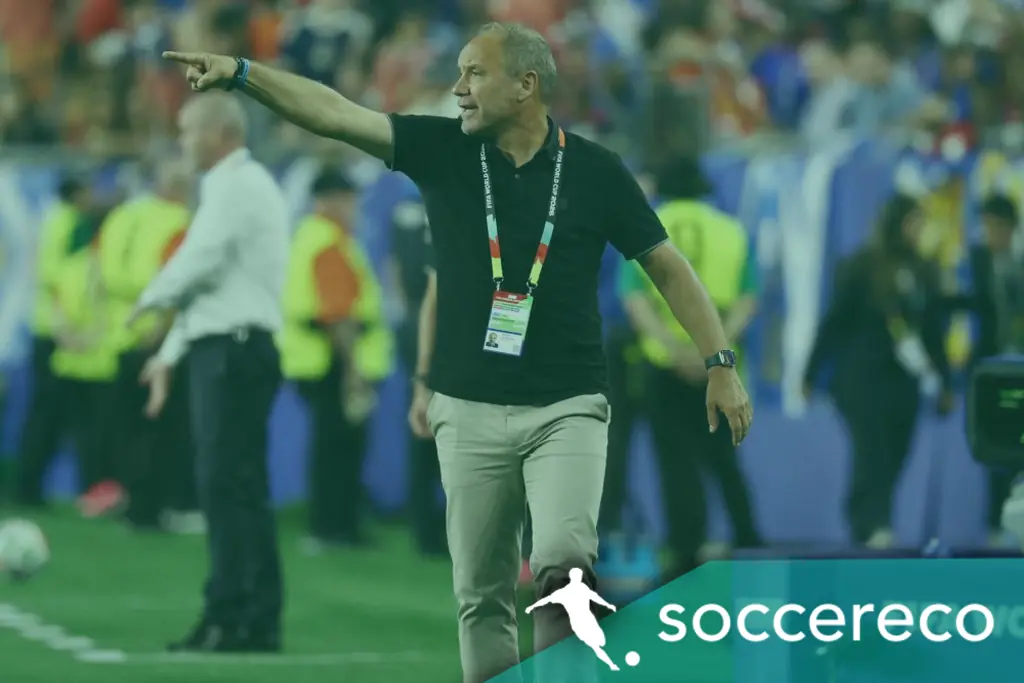
Alex Ferguson congratulated PSG after their Champions League win over Arsenal and reportedly aimed a sharp criticism at the Gunners style of play.
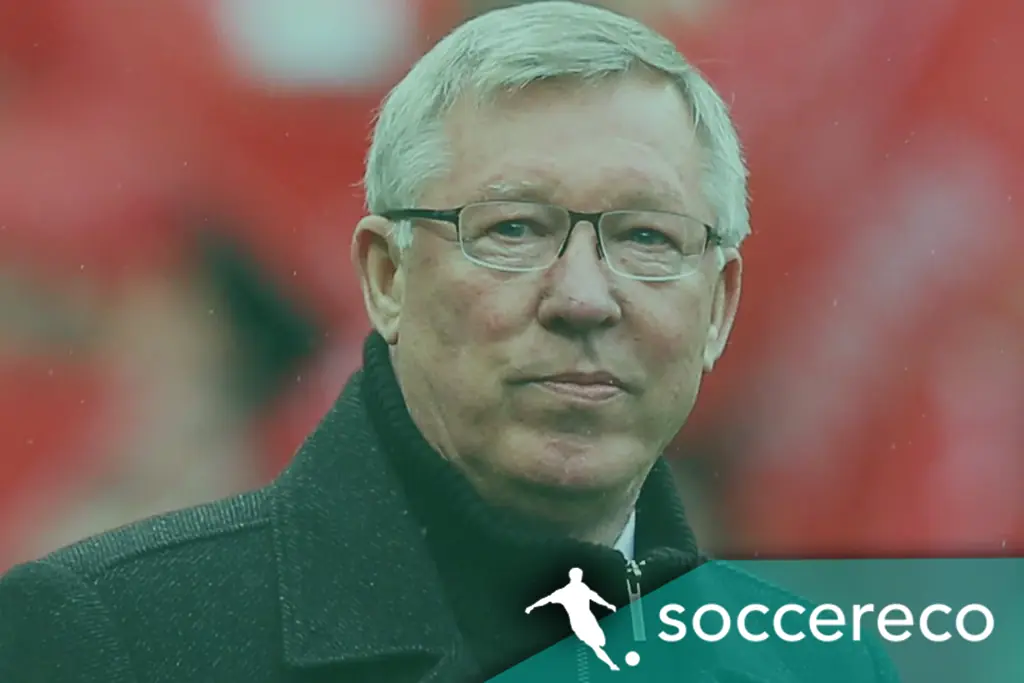
Alex Ferguson congratulates PSG and delivers sharp dig at Arsenal after Champions League final
Sir Alex Ferguson has never been known for hiding his opinion, and even years after stepping away from management, the legendary former Manchester United boss continues to show the same sharp football instinct and competitive edge that defined his career. This time, his reaction came after Paris Saint-Germain won the Champions League for the second consecutive season, beating Arsenal on penalties in Budapest after a tense final that finished 1-1 after extra time.
The victory confirmed another historic European night for PSG, who managed to survive a difficult final and once again lift the most prestigious trophy in club football. But while the French champions celebrated another major achievement, Ferguson’s message to PSG president Nasser Al-Khelaifi also carried a familiar sting aimed at one of his old rivals: Arsenal.
According to L'Équipe, the 84-year-old Scot sent a congratulatory message to Al-Khelaifi after the final. The tone was positive towards PSG, but it also included a very direct criticism of Arsenal’s performance. Ferguson reportedly congratulated the Parisian club for getting through what he described as a difficult night, while suggesting that Arsenal had played in a dull and defensive manner.
“Nasser, this is Alex Ferguson. Congratulations, it was a difficult night for you, but you played against a boring team that only focused on defending. Enjoy your holiday, you deserve it,” was reportedly the message sent by the former Manchester United manager.
The comment immediately attracted attention because of Ferguson’s long and intense history with Arsenal. During his years at Manchester United, Arsenal were one of his greatest domestic rivals, especially during the fierce battles between Ferguson’s United and Arsène Wenger’s Arsenal in the late 1990s and early 2000s. Matches between the two clubs often shaped Premier League title races and created some of the most memorable rivalries in English football.
For that reason, Ferguson’s words were always likely to be interpreted as more than just a neutral tactical opinion. Even though he has been retired since 2013, his competitive relationship with Arsenal remains part of English football history. A sharp remark from Ferguson about Arsenal still carries weight because it brings back memories of an era when United and Arsenal were fighting for supremacy season after season.
From PSG’s perspective, the message was a compliment wrapped in classic Ferguson humour. He recognised that the final had not been easy for the French side, but he also appeared to suggest that Arsenal’s approach had made the match less attractive and more frustrating. In his view, PSG had been forced to break down a side more focused on resisting than imposing itself.
The final itself was a tense and tactical contest. Arsenal managed to keep the score level at 1-1 after extra time, taking the game all the way to penalties. That alone showed the resilience of the English side, but Ferguson’s reported message suggested he was not impressed by the way they reached that point. Rather than praising Arsenal’s defensive organisation, he chose to describe them as boring and overly cautious.
For Arsenal, the criticism may feel harsh. Reaching a Champions League final is already a major achievement, and taking PSG to penalties after 120 minutes showed discipline, concentration and mental strength. Finals are rarely open, free-flowing matches, especially when the stakes are so high. Many teams choose control, compactness and caution over attacking risk on such occasions.
Still, Ferguson has always valued ambition and authority in the biggest matches. Throughout his career, he built Manchester United teams that were expected to attack, take risks and chase decisive moments. That does not mean his sides were never pragmatic, but Ferguson’s football identity was strongly associated with intensity, pressure and the belief that elite teams should try to win matches rather than simply survive them.
That background helps explain why Arsenal’s approach may not have impressed him. If the Gunners spent long periods sitting deep and focusing on containment, Ferguson would likely see that as a lack of attacking personality on the biggest stage. His message, therefore, was not just a joke at the expense of an old rival, but also a reflection of his own football principles.
PSG, meanwhile, will care little about the criticism directed at Arsenal. For the French club, the most important part of the night was the result. Winning the Champions League once is historic. Winning it for the second year in a row places the club in a different category and strengthens its position among Europe’s elite. The final may have been difficult, but great teams are often judged by their ability to win even when the match is uncomfortable.
The penalty shootout added even more drama to the occasion. After a 1-1 draw through extra time, the final came down to nerve, composure and execution from the spot. PSG held firm when it mattered most, while Arsenal were left with the pain of coming so close to European glory and falling short in the cruellest possible way.
Ferguson knows better than most what Champions League finals can do to a club’s history. He won the competition twice with Manchester United, first in 1999 with the famous late comeback against Bayern Munich in Barcelona, and again in 2008 when United defeated Chelsea on penalties in Moscow. Those triumphs remain defining moments in his legacy and in the history of the club.
Because of that experience, Ferguson’s congratulations to PSG carry genuine significance. He understands the pressure of a Champions League final, the emotional weight of the occasion and the fine margins that separate victory from defeat. His message to Al-Khelaifi acknowledged that PSG had come through a demanding night and earned the right to enjoy the success.
At the same time, the Arsenal remark ensured that the message would not pass quietly. It was vintage Ferguson: respectful towards the winners, but still sharp enough to make headlines. Even in retirement, he remains a figure whose words can dominate discussion, especially when they touch on old rivalries.
For Arsenal supporters, the comment will probably be received with frustration. Their team reached the final, competed until the end and came within penalties of winning the Champions League. Being labelled boring after such a painful defeat will not sit well with many fans. Others may argue that Ferguson’s rivalry with Arsenal makes his view less objective.
But that is also what makes the story so compelling. Football is not only about tactics and results; it is also about history, rivalry and personality. Ferguson’s reaction carries all three. It connects PSG’s modern European dominance with the old emotional battles of English football, where Manchester United and Arsenal once fought for every inch of territory, every title and every psychological advantage.
For PSG, the night ended with another Champions League trophy and praise from one of the greatest managers the game has ever seen. For Arsenal, it ended with heartbreak and an unexpected verbal jab from a familiar old adversary. Even years after leaving the touchline, Sir Alex Ferguson has once again found a way to be part of the conversation.
The final will be remembered for PSG’s resilience, the drama of penalties and Arsenal’s missed opportunity. But Ferguson’s message added an extra layer to the story. It was not just a congratulation. It was a reminder that in football, old rivalries rarely disappear completely. Sometimes, all it takes is one major final and one sharp sentence for them to return.