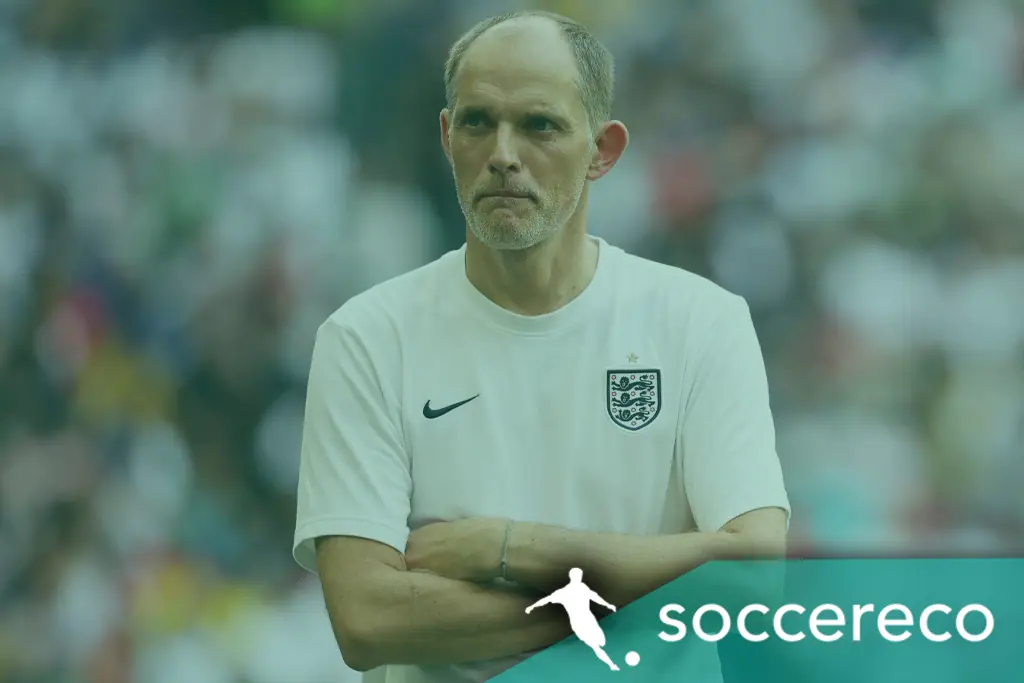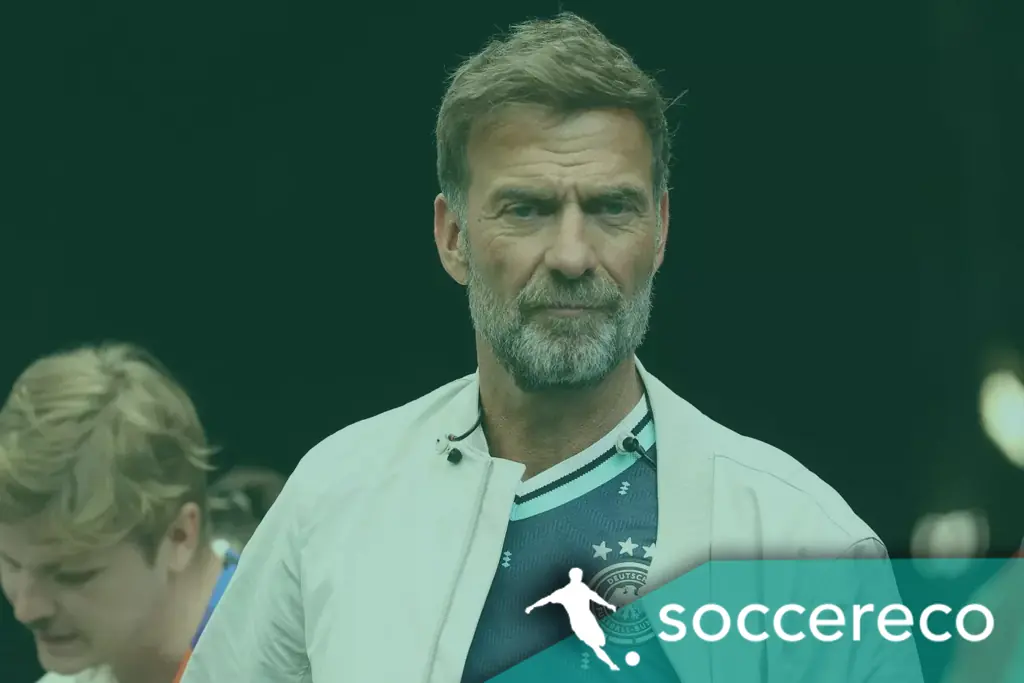
Thomas Tuchel will continue for at least two more years as England head coach. Four months before the start of the World Cup, the 52-year-old German has extended his contract through the 2028 European Championship, which will be hosted partly in England.
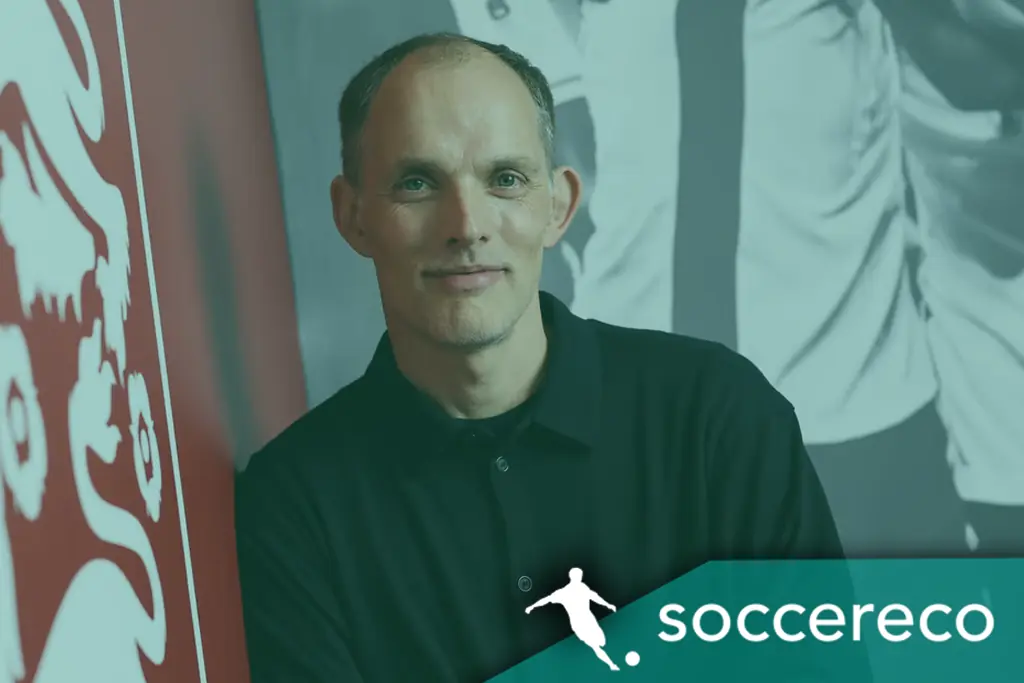
Thomas Tuchel is set to remain in charge of England for at least two more years after agreeing a contract extension that runs through Euro 2028.
The deal, confirmed roughly four months before the start of the upcoming World Cup in Canada, Mexico and the United States, removes any immediate uncertainty over the national teams direction and sends a clear message from the Football Association that the current project is built to last beyond a single tournament.
Tuchel, 52, took the role in January 2025 as the successor to Gareth Southgate, who stepped aside after an eight year spell that ended with defeat in the Euro 2024 final. Southgates era brought England back to the latter stages of major tournaments with consistent semi final and final appearances, but it also left a lingering frustration: two European Championship finals ended without silverware. The FA turned to Tuchel with a specific objective in mind, to add the missing ingredient and finally convert deep runs into a trophy.
The extension means that even if England fall short at the World Cup, the framework will not be torn up immediately. Instead, Tuchel will have the chance to take lessons from the tournament and apply them into the Euro 2028 cycle, a competition that will be staged partly in England. For the FA, that tournament represents a high profile opportunity to win on home soil, with the added weight of expectation that comes with hosting major matches. Securing continuity now is a way of reducing distractions and ensuring that planning for 2028 begins long before the World Cup ball is even kicked.
Tuchel has spoken positively about his early months in the job and has repeatedly highlighted the environment around the squad, including the backroom staff and the attitude of the players. He has made it clear that he has enjoyed the work so far and that he is eager to lead the team at the World Cup. That tone matters, because it signals alignment between coach and federation at a time when England are trying to move from a nearly team to a champion.
On the pitch, the FA hired Tuchel for his reputation as a strategist who can set up teams to win the biggest matches. His track record across elite European clubs has been built on high standards, detailed preparation and an ability to adapt game plans to opponents. England have often had enough talent to compete, but at key moments they have struggled to impose themselves against top sides or to manage the fine margins in finals. Tuchel is seen as a coach who can deliver that extra layer of tactical clarity, in game adjustments and ruthlessness.
The timing of the renewal also reflects how England have progressed under him in qualification. Tuchel had already indicated during the November international window that he was open to staying longer, after guiding England through a flawless qualifying campaign. Qualification can be a poor predictor of tournament outcomes, but it does establish habits: controlling matches, handling varied opponents, keeping standards high across multiple windows, and building a reliable base of performances. From the federations perspective, an error free path to the World Cup offered a strong early signal that the transition in leadership had not disrupted results.
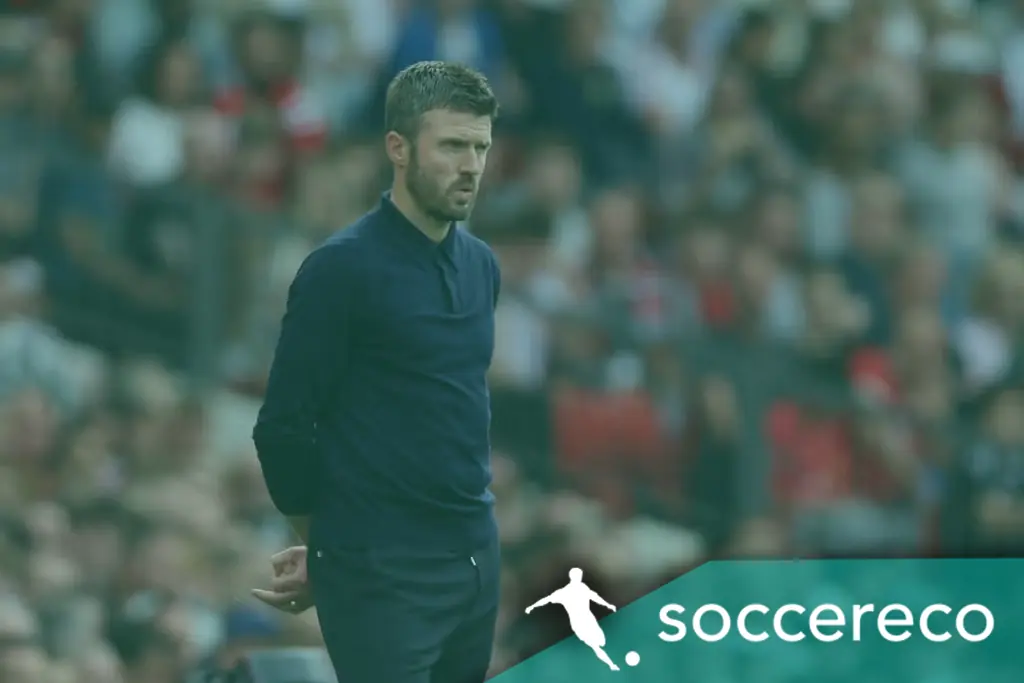
The contract decision also draws a line under a wave of club speculation that had followed Tuchel in recent weeks. He had been linked again with Manchester United, where Michael Carrick has been finishing the season after the dismissal of Ruben Amorim. Those rumours are now effectively closed off, at least for the foreseeable future. For England, that is significant because the last thing a national team needs in the run up to a World Cup is persistent noise around the head coach and questions about commitment. By extending now, the FA reduces the risk of headlines overshadowing selection, preparation and team cohesion.
For Tuchel, the World Cup will be a defining moment. England have a strong core of players who have already experienced the pressure of knockout rounds and finals, and the challenge will be to blend that experience with the hunger and freshness needed to win seven matches in a row against the best teams on the planet. Tournament football is rarely about style points, it is about managing tempo, set pieces, discipline, squad rotation and the psychological strain of high stakes games separated by only a few days.
The Euro 2028 horizon adds another dimension. A coach who knows he is not living match to match can invest more deeply in squad evolution, succession planning, and building depth in key positions. England have been strong in certain areas in recent years, but international success demands options across the pitch, including players who can change games from the bench and cover multiple roles. It also demands clarity on identity: how the team presses, how it builds through midfield, how it defends transitions, and how it protects a lead late in knockout matches.
The FA, meanwhile, is making a calculated bet that stability plus elite coaching will deliver the breakthrough that narrowly escaped England under Southgate. The narrative of nearly winning can quickly turn into a burden, but it can also become fuel if handled correctly. By committing to Tuchel through 2028, the federation is effectively saying that the next step is not a quick fix, it is a sustained push that spans multiple cycles.
With qualification complete and the coaching situation settled, attention can now shift to the practical questions that decide tournaments: who earns the final squad places, which partnerships click under pressure, and whether England can translate talent and expectation into the one outcome that has eluded them for so long.