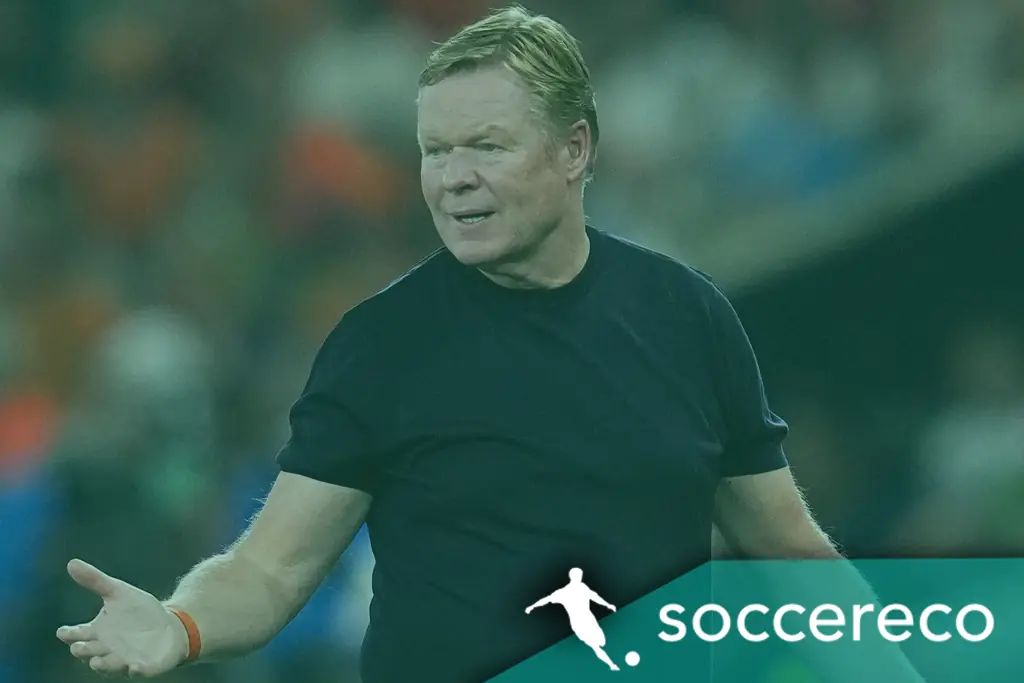
England head coach Thomas Tuchel will not take Cole Palmer and Phil Foden to the World Cup. Both have had inconsistent seasons with Chelsea and Manchester City, respectively. Trent Alexander-Arnold will also miss the tournament, but Jordan Henderson is included.

Tuchel makes bold England calls as Palmer, Foden and Alexander-Arnold miss World Cup squad
Thomas Tuchel has delivered one of the most talked-about England squad announcements in recent years, leaving Cole Palmer, Phil Foden and Trent Alexander-Arnold out of his 26-man World Cup selection while handing Jordan Henderson a place in the group. It is a decision that immediately changes the tone around England’s tournament preparations and gives supporters, pundits and former players plenty to debate before the opening match.
The biggest shock is undoubtedly the absence of Palmer and Foden. Two years ago, both players were part of England’s European Championship final against Spain, a match that ended in a 1-2 defeat. Foden started that game, while Palmer came off the bench and scored, producing the kind of composed finish that appeared to confirm his status as one of the future leaders of the national team.
At that point, it seemed natural to imagine both players becoming central figures for The Three Lions for many years. Foden had already built a reputation as one of the most technically gifted English footballers of his generation, while Palmer’s rise had been fast, exciting and full of personality. Yet international football is rarely sentimental, and Tuchel has now made it clear that current form, tactical fit and squad balance matter more than reputation.
Palmer and Foden left behind after uneven club seasons
Palmer and Foden have both experienced inconsistent seasons with Chelsea and Manchester City respectively. Their quality is not in question, but Tuchel appears to have judged that neither player has done enough to force his way into a squad where competition for attacking and creative roles is extremely high.
Palmer’s omission will be particularly painful because of how quickly he became a player England fans wanted to see more often. His ability to receive the ball under pressure, drift into dangerous spaces and produce decisive moments made him look like a natural tournament player. He has confidence, technical imagination and a calmness in front of goal that many managers value highly.
However, Tuchel has chosen a different route. Instead of selecting every available creative player, he has built a squad that seems more focused on defined roles. England still have attacking quality, but the group is shaped around pace, balance, physical intensity and tactical reliability rather than simply collecting the most gifted names.
Foden’s exclusion is just as significant. For years, he has been considered one of England’s most elegant and intelligent attackers. At Manchester City, he has often operated in different positions, linking midfield and attack with sharp movement and excellent close control. But with England, the question has often been where exactly he fits best. Managers have tried him wide, central and between the lines, without always getting the same rhythm and influence he shows at club level.
Tuchel has clearly decided that, for this tournament, other profiles suit his plan better. It is a ruthless call, especially because Foden started the European Championship final only two years ago. But it also shows that the new England manager is prepared to make decisions that will not please everyone.
Alexander-Arnold pays the price for tactical doubts
Trent Alexander-Arnold has also missed out, despite being one of the most technically creative defenders in world football. The Real Madrid right-back has long divided opinion in an England context. His passing range, crossing and ability to dictate play from deep positions are exceptional, but questions have often remained about defensive balance and how best to use him in a tournament system.
Tuchel has had Alexander-Arnold under consideration for some time, but the final decision suggests he does not see the former Liverpool player as essential to his World Cup plan. That is a major statement. Alexander-Arnold is not just another full-back; he is a player capable of changing the entire attacking structure of a team.
Leaving him out removes one of England’s most dangerous passers, especially in matches where opponents defend deep and leave little space between the lines. At the same time, Tuchel may feel that knockout football demands more defensive security and clearer positional discipline from his full-backs.
England’s defensive options show that the manager has prioritised variety and athleticism. Reece James, Tino Livramento and Djed Spence give him different types of full-back, while John Stones, Ezri Konsa, Marc Guehi, Dan Burn, Jarell Quansah and Nico O'Reilly offer several ways to build the back line. It is a squad with flexibility, but not one built around Alexander-Arnold’s unique skill set.
Henderson included for leadership and tournament experience
While several high-profile names have been left out, Jordan Henderson has made the squad. The almost 36-year-old midfielder, who played for Brentford this season after a spell at Ajax, has earned a place in Tuchel’s 26-man group and is likely to bring experience, leadership and tactical discipline to the dressing room.
Henderson’s inclusion will divide opinion. Some supporters will see it as a sensible decision because of his character, communication and knowledge of major tournaments. Others will argue that England should have used the place for a younger and more dynamic midfielder. Tuchel, however, appears to value what Henderson can offer beyond pure footballing output.
World Cup squads are not built only with starting elevens in mind. Managers also think about training standards, dressing-room balance, late-game control and how players react under pressure. Henderson has lived through major tournament pressure before and understands the emotional demands of representing England when expectation is high.
With Jude Bellingham, Declan Rice, Kobbie Mainoo, Elliot Anderson and Morgan Rogers also selected, England have energy, creativity and technical range in midfield. Henderson may not be expected to start every match, but his presence could be important in moments when Tuchel wants experience, structure and calm.
Maguire and Shaw also absent as England move away from familiar names
Harry Maguire and Luke Shaw have also been left out. Maguire had already revealed on Thursday that he would not be part of the final squad, and his absence marks another notable break from England’s recent tournament past. For several years, Maguire was a regular figure in major competitions and often produced strong performances for his country, even during difficult periods at club level.
Shaw’s omission is also important. When fit, he has often provided England with balance on the left side, combining defensive recovery with quality delivery and calmness in possession. But fitness and rhythm have regularly been concerns, and Tuchel has chosen not to take that risk.
The absence of both Manchester United defenders suggests a wider change in England’s squad identity. This is not simply a continuation of the previous cycle. Tuchel has kept some experienced figures, but he has also shown a willingness to move on from established tournament names when he believes other options suit the current plan better.
England still have major attacking depth
Even without Palmer and Foden, England’s attack remains full of quality. Harry Kane will again be the central figure. The Bayern Munich striker remains England’s most important forward, not only because of his goals, but also because of his ability to drop deep, connect play and bring wide attackers into dangerous positions.
Bukayo Saka gives England consistency, intelligence and end product from the right. He has become one of the most reliable attacking players in the national team setup and is likely to be one of the first names in Tuchel’s attacking plans. His ability to beat defenders, create chances and make good decisions in tight spaces will be vital.
Marcus Rashford, listed with Barcelona, adds speed and directness. Anthony Gordon offers energy, pressing and aggressive running behind defences. Eberechi Eze brings flair and unpredictability, while Noni Madueke gives Tuchel another explosive wide option. Ollie Watkins offers movement, pressing and a different type of striker profile to Kane.
Ivan Toney’s inclusion is also significant. After scoring regularly for Saudi side Al-Ahli, he has earned a place as one of Kane’s back-ups. Toney gives England physical presence, penalty-box instinct and composure from the spot, all of which can become extremely valuable in knockout football.
The attacking group may look less technically delicate without Palmer and Foden, but it still has many routes to goal. Tuchel appears to have chosen forwards who can serve specific functions: Kane as the reference point, Saka as the reliable creator from the right, Gordon and Rashford as runners, Eze as the unpredictable dribbler, Madueke as an impact option, and Toney and Watkins as alternatives through the middle.
Group L will test England in different ways
England will play Croatia, Ghana and Panama in Group L. The campaign begins against Croatia on June 17, a fixture that immediately brings technical and emotional weight. Croatia have been one of the most consistent tournament nations of the modern era, and England know how difficult they can be when allowed to control possession and slow the rhythm of a match.
The second match, against Ghana on June 23, should offer a very different challenge. Ghana are likely to bring physical intensity, pace and transition threat. England will need to be careful with the ball, especially in midfield, because turnovers could quickly become dangerous.
The final group match comes against Panama on June 27. On paper, England will be expected to win, but the context of the final round can change everything. Goal difference, qualification pressure and possible rotation could all influence Tuchel’s approach. If England have already taken strong results from the first two games, the Panama match could allow the manager to manage minutes. If not, it could become a tense and demanding evening.
Tuchel takes responsibility for a squad built on his own terms
This squad is unmistakably Tuchel’s. It is not a popularity contest and it is not a simple list of the most famous English players available. The England manager has made bold decisions and will now have to live with the consequences of them.
If England struggle to create chances, the absence of Palmer and Foden will be questioned immediately. If England lack quality in possession from deeper areas, Alexander-Arnold’s omission will become a major talking point. If Henderson is used and the midfield looks slow or passive, his selection will be criticised. That is the risk Tuchel has accepted.
But if England look balanced, disciplined and difficult to beat, these decisions may come to be seen differently. Major tournaments are often decided by structure as much as talent. The best squads are not always the ones with the most exciting names; they are the ones with the clearest roles, strongest mentality and best tactical fit.
England’s recent tournament record has created a complicated pressure. The country still carries the history of 1966, but this generation has also produced deeper runs and higher expectations. At the previous World Cup, England were knocked out by France in the quarter-finals. That defeat left the familiar feeling that the team was close, but not quite complete.
Tuchel has been brought in to change that story. His squad selection suggests he believes England need more than technical talent to win. They need control, discipline, experience, athleticism and players who can follow a specific plan under pressure.
England World Cup squad
Goalkeepers
Dean Henderson (Crystal Palace), Jordan Pickford (Everton), James Trafford (Manchester City)
Defenders
Dan Burn (Newcastle United), Marc Guehi (Manchester City), Reece James (Chelsea), Ezri Konsa (Aston Villa), Tino Livramento (Newcastle United), Nico O'Reilly (Manchester City), Jarell Quansah (Bayer Leverkusen), John Stones (Manchester City), Djed Spence (Tottenham Hotspur)
Midfielders
Elliot Anderson (Nottingham Forest), Jude Bellingham (Real Madrid), Jordan Henderson (Brentford), Kobbie Mainoo (Manchester United), Declan Rice (Arsenal), Morgan Rogers (Aston Villa)
Forwards
Eberechi Eze (Arsenal), Harry Kane (Bayern Munich), Anthony Gordon (Newcastle United), Noni Madueke (Arsenal), Marcus Rashford (Barcelona), Bukayo Saka (Arsenal), Ivan Toney (Al-Ahli), Ollie Watkins (Aston Villa)
A controversial squad that will only be judged properly on the pitch
For Palmer and Foden, this is a painful setback, but not the end of their England careers. Both remain talented enough to return in future campaigns and both will know that strong club form can quickly change the conversation. For Alexander-Arnold, the disappointment may be even sharper because he is in the prime years of his career and playing at one of the biggest clubs in world football.
For Henderson, this is another opportunity to contribute on the biggest stage. His selection proves that Tuchel still values experience and leadership, even in a squad that also contains several younger and more dynamic players.
For England, the announcement marks the beginning of a new tournament story. The debate around the missing names will continue, but once the ball starts rolling, attention will shift quickly to results. Tuchel has chosen the players he trusts. Now he must turn a controversial squad into a team capable of going further than the quarter-finals and challenging seriously for the trophy.
England have enough quality to compete with anyone, but this World Cup will test more than talent. It will test Tuchel’s judgement, the squad’s unity and the ability of the selected players to justify the faith placed in them. The omissions are huge, the expectations are heavy, and the margin for error will be small. That is the reality of managing England at a World Cup.