Andre Onana has never felt better in his career than he does now. The 29-year-old goalkeeper has been loaned out by Manchester United to Trabzonspor. A longer stay in Turkey is certainly not out of the question, judging by the words of the former Ajax player.
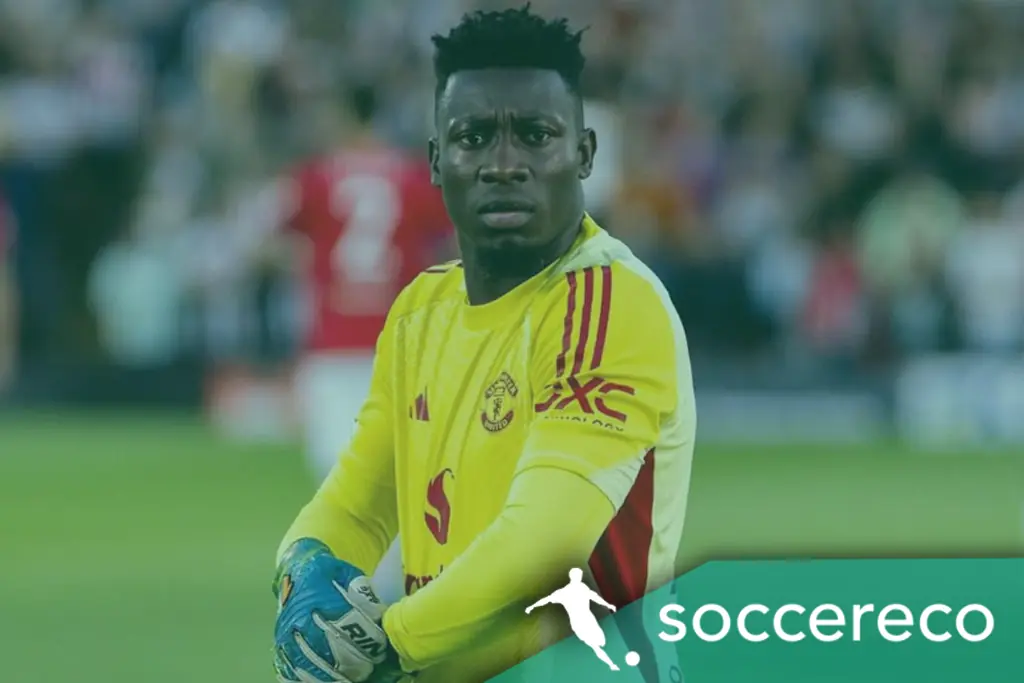
Andre Onana’s season has taken an unexpected turn, but it is one that appears to have brought the Cameroonian goalkeeper a level of calm and confidence that he says he has never experienced before in his career.
After losing his place at Old Trafford under manager Rúben Amorim, Onana moved to Trabzonspor on loan in September, a switch that was initially framed as a chance to reset away from the relentless scrutiny that comes with Manchester United. Several months on, the move is being discussed in more serious terms, because Onana has made it clear that a longer stay in Turkey is very much a possibility if the finances can be made to work.
The backdrop to the loan is important. Onana arrived at Manchester United with a reputation as a modern, proactive goalkeeper, comfortable building from the back and playing high, but his time in England became increasingly dominated by pressure, criticism, and the constant debate around errors, confidence, and decision making. When Amorim took charge and Onana’s role diminished, Trabzonspor acted quickly. For the Turkish club, it was an opportunity to add a goalkeeper with pedigree, Champions League experience, and leadership at an age where keepers are typically in their prime. For Onana, it was a chance to step out of a turbulent situation and into an environment where he could play regularly and rebuild momentum.
Onana will finish the season in Trabzon, and by all indications he has embraced the club and the culture around it. Speaking about his life in Turkey, he described it as the best period of his life, stressing that he has nothing to complain about and that he is genuinely happy. That sense of wellbeing is not a minor detail in a goalkeeper’s story. The position is as psychological as it is technical. Confidence can define not only form, but also the way a goalkeeper commands the box, handles pressure moments, and sets the tone for the defensive line. Onana’s comments suggest that the change of scenery has given him a mental freshness that he felt he had been missing.
A major theme in his reflections is the intensity of football culture in Turkey, particularly the closeness between players and supporters. Onana said he has become used to the passion, even when it appears in surprising ways. He described moments where fans stop cars in traffic to ask for photos, a scenario that would be unsettling for many players, yet he framed it as part of the local enthusiasm. The underlying message is that he feels valued. He sees supporters who are happy to see him, and he believes that energy feeds back into his own happiness. For a high profile player trying to recover rhythm, that kind of positive reinforcement can be a powerful stabilizer.
On the pitch, Onana has made 13 league appearances for Trabzonspor so far, with the team conceding 19 goals in those matches. Those numbers can be read in multiple ways. They point to a side that still gives up chances and goals, but they also reflect the reality of competing in a league where the top clubs tend to dominate and where matches can swing quickly with momentum and crowd intensity. Trabzonspor’s current position as third, behind Galatasaray and Fenerbahçe, reinforces the idea that they have been the strongest of the chasing pack. In that context, a goalkeeper who brings experience and authority can make the difference in tight matches, particularly across the second half of the season when pressure increases and the margins between European qualification and disappointment become thinner.
The bigger question now is what happens next. Onana’s statement that a longer stay is possible if it is financially feasible shifts attention to the mechanics of the deal. Loans for players of his stature often involve a complex split of salary obligations, potential performance related clauses, and either an option to buy or informal discussions about a future permanent move. Trabzonspor’s interest is logical: a permanent deal would bring continuity and a proven name, but it would also require the club to balance budget realities, wage structure, and the likely cost of any transfer fee. Manchester United, on the other hand, must decide whether Onana still fits their long term plans under Amorim, or whether they see his future elsewhere. If United are open to moving him on, they may prefer a clean sale to remove uncertainty, but they would also need a market that can match the financial scale involved.
From Onana’s perspective, the attraction is clear. He is playing, he feels settled, and he is enjoying a relationship with the fanbase that he finds energizing. There is also a professional logic: goalkeepers typically benefit from stability, and a supportive environment can allow them to sharpen consistency and avoid the emotional peaks and troughs that undermine performance. If Trabzonspor can remain competitive and maintain a platform for European football, the project becomes more appealing. Even if the club are not expected to surpass the Istanbul giants over a full season, being the best of the rest can still provide a high level of football, strong visibility, and tangible objectives.
Internationally, however, Onana’s situation has not been straightforward. Despite looking forward to the Africa Cup of Nations, he was surprisingly left out of the squad. The explanation offered is not tied to form or fitness, but rather to internal turmoil. Onana is described as one of the players caught in a power struggle involving federation president Samuel Eto’o, former national team coach Marc Brys, and Brys’ successor David Pagou. For players, this kind of instability can be damaging: selection becomes unpredictable, planning becomes difficult, and the national team environment can shift away from performance based decisions toward politics and influence. Being excluded from a major tournament is a significant personal and professional blow, especially for a player with 53 international caps, but it also reduces immediate exposure and can change the way the next few months are managed. It may even strengthen the argument for prioritizing club stability, where the day to day work and the relationship with coaches and teammates is clearer.
As the season progresses, the next chapters in Onana’s story will likely depend on a few key factors: whether he maintains a consistent run of performances, how Trabzonspor finish the campaign, and what Manchester United decide regarding their goalkeeper situation for the next season. For now, the message from Onana is unambiguous. He is comfortable, he feels appreciated, and he is open to extending his stay in Turkey if the deal is realistic. In a career often shaped by rapid transitions and relentless evaluation, that sense of contentment may be as influential as any statistic.