Scotland still have a slim chance of reaching the World Cup knockout stage, but there is little optimism within the squad after the 3-0 defeat to Brazil. Head coach Steve Clarke, captain Andy Robertson and midfielder John McGinn fear that their World Cup adventure is over.
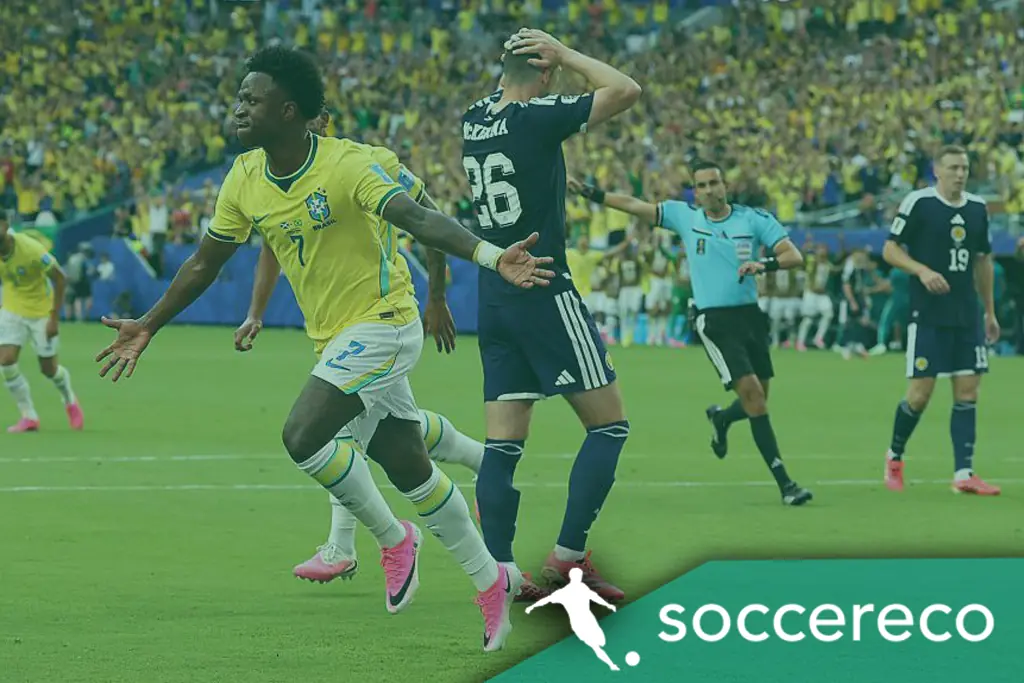
Scotland left fearing World Cup exit after painful defeat to Brazil
Scotland are facing an anxious wait to discover whether their World Cup campaign will continue after a damaging 3-0 defeat to Brazil left Steve Clarke and his players fearing the worst. The result does not yet mathematically eliminate the Scots from the tournament, but the mood inside the camp after the final whistle was one of frustration, disappointment and resignation rather than hope.
Brazil, sharper in the key moments and far more ruthless when chances arrived, punished Scotland with the kind of efficiency that separates elite sides from teams still trying to establish themselves at this level. For Clarke, the most painful part was not simply the defeat itself, but the manner in which it unfolded. Scotland had moments in the game, especially early on, where they looked capable of unsettling Brazil, yet their own mistakes opened the door for an opponent that rarely needs a second invitation.
The final scoreline told only part of the story. Scotland did compete. They worked hard, stayed organised for spells and tried to play with courage despite the pressure, the heat and the humidity. But at World Cup level, effort alone is not enough. Brazil had more composure, more quality in decisive areas and a clinical edge that Scotland could not match. Once the first goal went in, the game increasingly moved in the direction Brazil wanted.
Clarke initially cut a frustrated figure after the match and walked away angrily from the BBC before later returning to face the cameras. By then, the Scotland manager had clearly processed enough of the disappointment to give a blunt assessment of where his team now stands. His words were not designed to protect the players from reality. They reflected the feeling of a coach who knows that his side may have allowed a historic opportunity to slip away.
I think we are going home, Clarke admitted after the match. It was a strikingly honest reaction from a manager who has often tried to keep belief alive even in difficult moments. On this occasion, however, the disappointment was too clear to hide. Scotland had entered the game knowing that even a draw could have strengthened their position in the ranking of the best third-placed teams, but the defeat has left them dependent on a complicated combination of results elsewhere.
Clarke was particularly frustrated by the way Scotland gave Brazil the kind of game they wanted. Against an opponent with so much attacking quality, the plan had to be built around concentration, discipline and making Brazil work for everything. Instead, Scotland allowed the South Americans to take control through avoidable errors. That was the part that appeared to hurt the manager most.
We made things difficult for ourselves, Clarke said. We gifted Brazil the goals and, with that, the match they wanted. We created chances ourselves, but did not take them. Let us be honest: the best team won.
That final sentence summed up the balance between regret and realism. Clarke did not pretend Scotland had been robbed or that the result was unfair. He knew Brazil had deserved to win. But he also knew that Scotland had contributed to their own downfall. In tournament football, that distinction matters. Losing to a better team can be accepted more easily when every detail has been managed properly. Losing because of errors, missed chances and lapses in concentration leaves a much deeper sense of frustration.
According to Clarke, Scotland cannot expect to survive at this level unless they are cleaner in both boxes. They need to defend with greater authority, make fewer mistakes under pressure and show more calm when their own chances arrive. Against Brazil, they were punished for the first part and wasteful in the second. That combination is almost impossible to survive in a World Cup match.
The Scotland manager was still keen to defend the attitude of his players. He made it clear that he had no complaints about their work rate or commitment. In difficult physical conditions, the players continued to run, press and compete until the end. But Clarke also knows that international tournament football is not judged by effort alone. At some point, the performance must include enough quality, control and decision-making to produce a result.
The commitment of the players was fantastic, especially in this heat and humidity, Clarke said. But if we want to compete at this level, we have to be better. After a good opening spell, we made one mistake and at this level you are punished immediately for that.
That opening spell may remain one of the biggest sources of frustration for Scotland. They began with energy and purpose, suggesting that they were not prepared to sit back and simply wait for Brazil to dominate. There were signs of belief in the early stages, signs that Scotland could make the match uncomfortable and perhaps force Brazil into a more nervous contest. But those moments were not turned into goals, and once Brazil found a way through, the psychological balance of the game changed.
From that point, Brazil looked increasingly comfortable. They did not need to dominate every minute to control the match. Instead, they managed the key moments with patience and precision. Scotland, by contrast, had to chase the game against one of the most dangerous teams in the tournament. That opened spaces, increased fatigue and made every attacking action feel more rushed.
Captain Andy Robertson was just as downbeat after the match. The Liverpool defender has been one of the symbolic figures of this Scotland generation, a player who has experienced enough major nights to understand exactly what this result could mean. His reaction was not one of anger alone. It was the reaction of a captain who knows that Scotland no longer control their own fate.
If you ask me now, I do not think it will be enough, Robertson said. The next few days will be terrible. We did not want to depend on other countries, but that is where we are now. We have let ourselves down, and against teams like this you cannot make mistakes like that.
Robertson's words captured the emotional weight of the situation. Scotland did not want to leave their future in the hands of other nations. They wanted to qualify by their own results, their own performances and their own resilience. Instead, they now face the hardest kind of tournament wait: sitting, watching and hoping that results elsewhere fall in their favour.
For players, that kind of wait can be more painful than the match itself. There is nothing more to control, nothing to correct immediately and no chance to respond on the pitch. The group must now live with the mistakes made against Brazil while looking at other fixtures and calculating possibilities. Robertson knows that process will be mentally draining, especially because Scotland had the opportunity to put themselves in a much stronger position.
John McGinn, another of Scotland's most influential voices, went even further. The midfielder described the situation as one that may now require a miracle. His choice of words reflected the depth of disappointment in the dressing room. Scotland are not officially out, but the players clearly feel that they have made qualification far more difficult than it needed to be.
That is how it feels now, McGinn said. We need a lot of luck. If we still reach the last 32, we will have to play much better. Tonight, we have put ourselves in the worst possible position.
McGinn's comments also carried an important warning. Even if Scotland do sneak into the knockout stage, this level of performance will not be enough. Reaching the last 32 would provide relief, but it would not erase the problems that appeared against Brazil. Scotland would need to improve sharply in possession, become more compact defensively and show much more conviction in front of goal.
The defeat leaves Scotland seventh in the ranking of the best third-placed teams. Under the tournament format, only eight of the 12 third-placed sides qualify for the knockout phase, meaning Scotland remain just inside the provisional qualification places. But that position is fragile. Several groups still have matches to play, and even one or two unfavourable results could push Scotland out.
That is why the coming days will be filled with tension. Scotland must now hope that teams below them fail to gather enough points or goal difference to overtake them. Ecuador, Curaçao and Paraguay are among the sides whose results could directly affect Scottish hopes, while developments in Groups G, H, I, J, K and L will also shape the final picture. Every goal in those groups could matter. Every late equaliser, every unexpected win and every heavy defeat could change the ranking.
This is the cruel part of tournament football. Scotland's players have already completed their group-stage work, but their campaign is not fully decided. They are trapped between possibility and resignation. Clarke believes they may be heading home, Robertson fears the same, and McGinn says a miracle may be needed. Yet until the final matches are played, there remains a narrow route through.
For the supporters, the emotional picture is just as complicated. There will be frustration at the defensive mistakes, disappointment at missed chances and anger that Scotland allowed the situation to slip out of their own hands. But there will also be recognition that the players gave everything physically in testing conditions against one of the strongest teams in world football. The problem is that pride in effort does not always soften the pain of a result that could end a World Cup campaign.
Brazil, meanwhile, leave the match with authority and momentum. Their victory was not simply about the scoreline. It was about control, maturity and knowing how to punish an opponent that offered them opportunities. They showed why teams cannot afford even brief lapses against them. Scotland may look back at the match and feel they competed for parts of it, but Brazil made sure those parts did not define the outcome.
For Clarke, the post-match anger was understandable. Managers often speak about fine margins, but here the margins were visible. A better decision in defence, a sharper finish in attack or a calmer response after going behind might have changed the tone of the evening. Instead, Scotland were left with a heavy defeat and a qualification scenario that now depends on others.
It is that loss of control that will hurt most. Scotland came into the tournament wanting to prove that they belonged on this stage. They showed flashes of that, but against Brazil they also showed why the World Cup remains so unforgiving. At this level, teams are not only judged by their best spells. They are judged by how they manage danger, how they respond to pressure and how rarely they make costly mistakes.
Scotland now have no option but to wait. The players, staff and supporters will watch the remaining group matches knowing that every result could either extend their tournament or confirm their exit. It is a difficult and uncomfortable position, made worse by the knowledge that it was avoidable.
If Scotland do survive and reach the last 32, the mood will change quickly. Relief would replace regret, and Clarke would have another chance to reshape the story of this World Cup. But even then, the lessons from the Brazil defeat would remain urgent. Scotland would need to be sharper, braver and more ruthless, because knockout football offers even less room for error.
For now, however, the feeling around the squad is bleak. Clarke fears the journey is over. Robertson does not believe the current total will be enough. McGinn says Scotland need a huge amount of luck. Mathematically, there is still hope. Emotionally, the players already seem to understand how much damage was done in a night where Brazil took their chances and Scotland were left counting the cost of their own mistakes.