Big news from Spain: Sergio Ramos has reached an agreement with Sevilla’s majority shareholder, meaning he is set to take control of the club. This had been on the cards around New Year, but it has now entered a new phase.
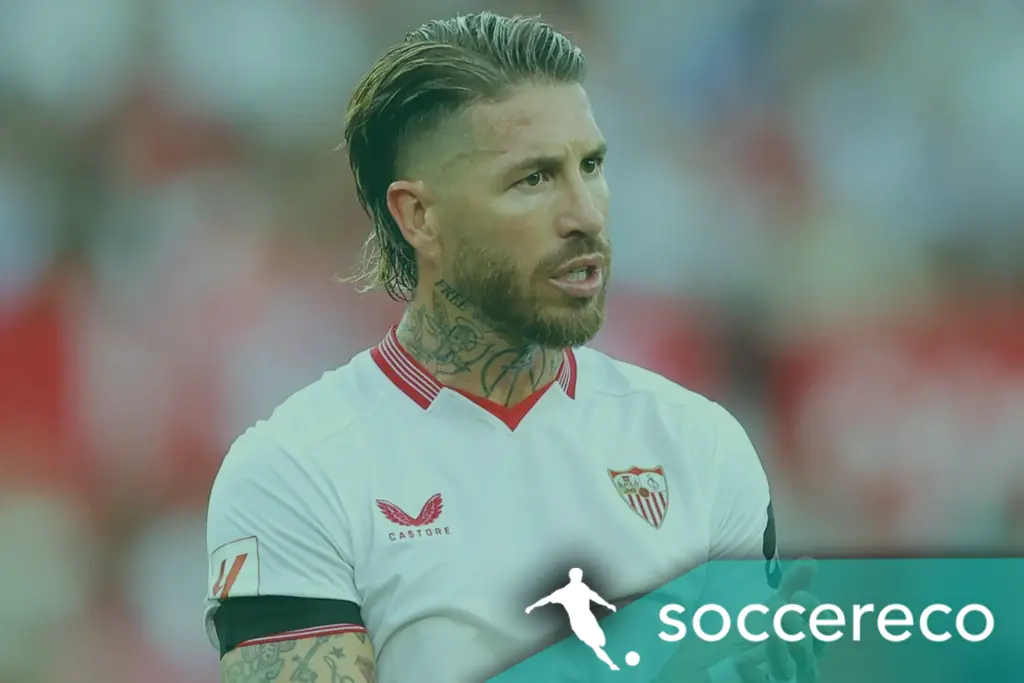
According to Spanish media, negotiations between Sergio Ramos and Sevilla’s current ownership group have moved into a decisive stage, with a framework agreement reportedly in place for Ramos to acquire a controlling stake in the club.
If the deal is completed, Ramos would transition from iconic former player to principal decision maker, becoming the public face of a new project that aims to stabilise Sevilla’s finances and restore the club’s sporting ambition.
The proposed takeover is described as an agreement in principle rather than a finalised purchase. That distinction matters. In acquisitions of this scale, the headline agreement usually covers the broad economic terms and the intended governance structure, but completion depends on multiple conditions being satisfied. The most significant of these is due diligence, a comprehensive review of the club’s accounts, contractual obligations, debt profile, contingent liabilities, and operational risks. In practice, due diligence also scrutinises player contracts, agent commitments, instalment payments on transfers, stadium and training ground obligations, sponsorship agreements, and any pending disputes. The buyer’s objective is straightforward: verify the true financial position, identify hidden risks, and ensure that the valuation and purchase price reflect what is actually being acquired.
Spanish media also report that Ramos would not act alone. The plan reportedly includes support from an investment firm prepared to inject €450 million into Sevilla as part of the wider transaction and subsequent capital plan. If accurate, that level of funding could be transformative, but it is important to understand what an “injection” can mean in football ownership. It can take the form of an equity increase, shareholder loans, refinancing of existing debt, or a combination of several instruments. Each structure has different implications for interest costs, repayment timelines, and the club’s long term financial flexibility. It also affects how quickly Sevilla could act in the transfer market, how aggressively it can reduce wage commitments, and how much it can allocate to infrastructure and academy development.
The motivation behind the move is portrayed as both strategic and symbolic. Sevilla remains one of the most historically successful clubs in Spain outside the traditional giants, with a reputation for high quality recruitment and strong European performances. However, the club has faced a period of instability and financial strain, and Spanish media suggest that the current situation limits Sevilla’s ability to compete consistently at the top end of La Liga. A new ownership group with fresh capital could focus on repairing the balance sheet, restoring confidence among supporters, and rebuilding the sporting structure from top to bottom.
Ramos’s involvement instantly changes the narrative. Few figures in Spanish football carry his level of recognition and credibility. Sevilla supporters remember him as a product of the club who broke through early, playing for Sevilla between 2002 and 2005 before securing a move to Real Madrid. His career that followed, filled with trophies, leadership roles, and high pressure experience, makes him a compelling figure to sell a new project to fans, sponsors, and potential partners. The storyline deepened in 2023 when Ramos returned to Sevilla, reinforcing the image of a player with enduring emotional ties to the club.
From a governance perspective, a Ramos led acquisition would raise immediate questions about management structure and day to day decision making. Even if Ramos is the headline owner, the club will still require a professional executive team, sporting director leadership, and clear decision rights between football operations and corporate strategy. A serious investor backing the deal would typically demand robust governance, financial reporting discipline, and a plan that balances football ambition with regulatory constraints. In Spain, these constraints include strict financial controls tied to budgets and sustainability, meaning that even well funded ownership groups must align spending with allowable limits. That often translates into a phased approach: stabilise, reduce risk, then invest for growth.
The reported €450 million plan could be used across several priorities. First, debt and liabilities. If Sevilla’s finances are strained, strengthening the club’s liquidity and restructuring obligations can immediately reduce pressure and allow more predictable planning. Second, wages. Football clubs commonly struggle with wage bills that outpace revenues, and the quickest route to compliance is often a combination of targeted sales, renegotiations, and smarter squad building. Third, recruitment. Sevilla’s identity in recent decades has been built on acquiring undervalued talent, developing players, and selling at the right time. Re establishing a coherent recruitment model, with strong analytics and scouting, can help rebuild competitiveness without reckless spending. Fourth, infrastructure. Investment in training facilities, sports science, medical support, and academy pathways can produce sustainable benefits that do not depend on transfer market volatility.
At the same time, the risks are real. A takeover that hinges on external investment must withstand changes in market conditions, investor appetite, and the realities uncovered during due diligence. If the review reveals larger liabilities than expected, the buyer may seek to renegotiate price or terms, or even walk away. Another risk is expectation management. A famous figurehead can generate optimism quickly, but football projects require time, stability, and coherent execution. If results do not improve immediately, the pressure on ownership and management can become intense, especially in a club with high standards and a passionate fan base.
For now, the key point is that the deal is described as advanced but not completed. The parties reportedly have agreement on the core direction, and the intention appears clear: Ramos is positioned to become Sevilla’s new owner, backed by significant funding, with an ambition to restore the club’s place among Spain’s elite. The next steps will be decisive. If due diligence proceeds smoothly and the final documents are signed, Sevilla could soon enter a new era defined by a blend of emotional symbolism and high stakes financial restructuring. If complications arise, the process could slow, renegotiate, or unravel. Either way, the story has already entered a new phase, and the spotlight on Sevilla’s future has intensified sharply.
Updated: 12:13, 26 Jan 2026