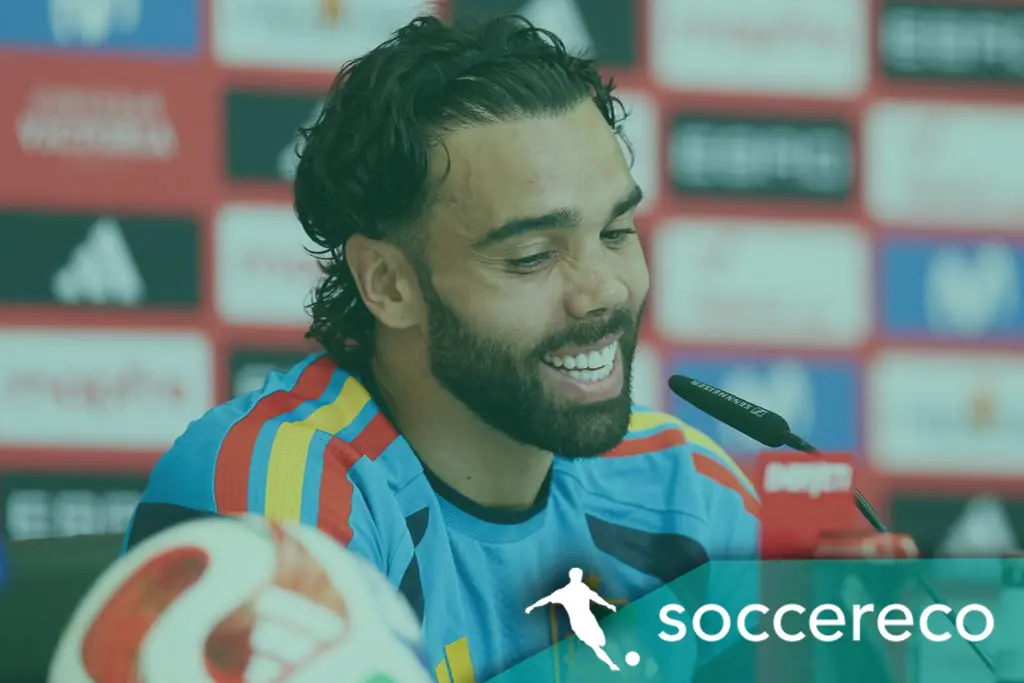
Spain prepare for their World Cup opener against Cape Verde as David Raya discusses the goalkeeping debate with Unai Simón and Joan García.
Spain enter Cape Verde opener with goalkeeping debate under the spotlight
Spain will begin their World Cup campaign against Cape Verde on 15 June 2026 at 18:00, and although the opening match is already carrying the weight of expectation around one of the tournament favourites, much of the attention around Luis de la Fuente squad has turned to the goalkeeping position. It is a debate that says a lot about the current strength of Spanish football. Few national teams arrive at a major tournament with three goalkeepers of such quality, such different club backgrounds and such strong arguments to start.
David Raya, fresh from an outstanding season with Arsenal, has addressed the situation with calmness and maturity. Speaking at Spain press conference, the 30-year-old insisted that the national team goal is in safe hands regardless of who is chosen. His message was clear: the competition exists, but it is healthy, professional and built around the interests of the team rather than individual frustration.
Raya was asked mainly about Unai Simón, the Athletic Bilbao goalkeeper who has been Spain regular number one in recent years and who played a central role during one of the most successful periods of the current national team cycle. Simón was part of the team that won the Nations League and then the European Championship, achievements that have strengthened his status inside the squad and among supporters. For Raya, that record deserves respect. He described Unai as a goalkeeper of a very high level and accepted that his contribution has been important in bringing major trophies back to Spain.
That respect, however, does not mean Raya has travelled to the World Cup simply to watch from the bench. His own club form has made the discussion unavoidable. At Arsenal, he has grown into one of the most reliable and influential goalkeepers in the Premier League. His command of the penalty area, his calmness with the ball at his feet and his consistency across a long campaign have raised his profile significantly. Being named the best goalkeeper in the Premier League once again only reinforced the feeling that he is no longer an outsider in this conversation.
The rise of Raya is also part of a broader story. When he first arrived in the national team environment, he was not treated as an obvious candidate for the Spain goal. He admitted that, at the beginning, some people were asking who he was. That perception has changed dramatically. Through work, patience and high-level performances, he has moved from being a less familiar name to a goalkeeper with a genuine claim to start for one of the strongest national teams in the world.
His words also revealed the mentality that has helped him reach this point. Raya said he works every day to improve and to be ready to represent his country. Rather than presenting the goalkeeping issue as a personal duel, he framed it as a collective challenge. According to him, the debate belongs to journalists, supporters and observers. His job is simply to make the decision as difficult as possible for Luis de la Fuente.
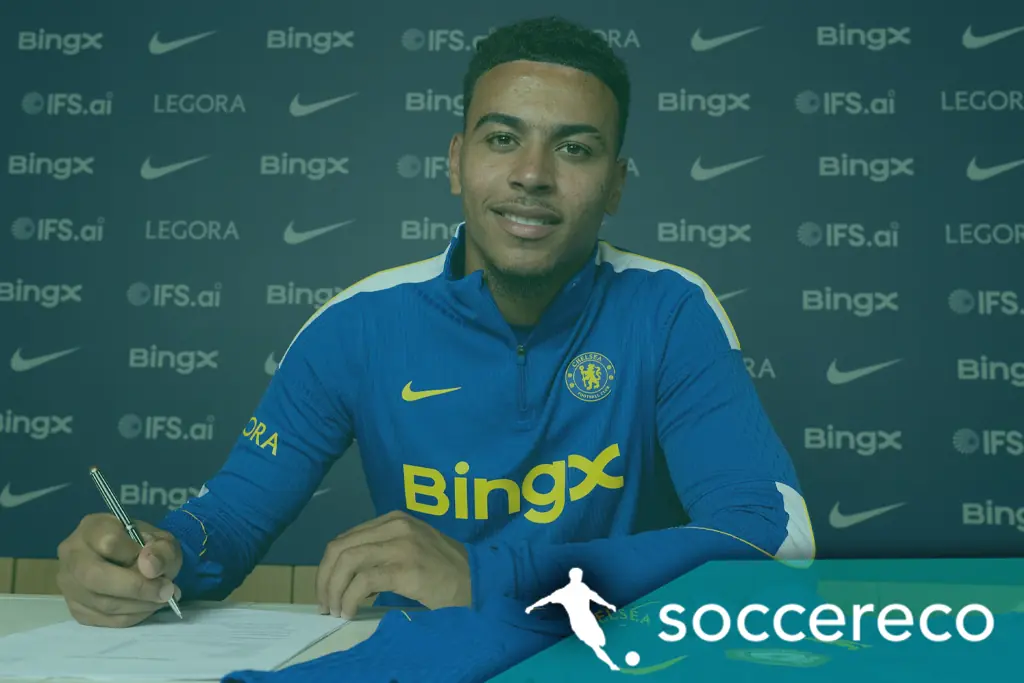
That is perhaps the most important part of Spain situation. De la Fuente is not being forced to choose between a safe option and a risky alternative. He has three serious candidates. Unai Simón brings continuity, international experience and the authority of recent success. David Raya brings exceptional club form, Premier League status and a modern profile that suits Spain desire to build from the back. Joan García, now at Barcelona, adds another highly talented option and represents the next wave of Spanish goalkeeping quality.
For many national teams, such depth would be a luxury. For Spain, it is becoming part of the identity of a squad that looks balanced, competitive and full of internal pressure. Raya made it clear that the three goalkeepers push each other to improve. In his view, the competition is not destructive. It raises the level of training, forces everyone to remain sharp and gives the coach more guarantees before the tournament begins.
The Arsenal goalkeeper also stressed that whoever plays will give everything, while those left out will still try to help. That attitude will matter in a tournament environment where squad harmony can be just as important as individual talent. World Cups are rarely won by 11 players alone. They require depth, acceptance of roles, emotional control and the ability to keep the group united even when difficult decisions are made.
Spain know this better than most. They arrive as European champions and one of the strongest candidates to go far in the competition, but Raya was careful not to make bold statements about favourite status. He acknowledged that Spain know what they have achieved, but also pointed out that many other countries have excellent squads. His message was measured: Spain must go match by match, focus on what they can control and allow the tournament to reveal how far they can go.
That cautious tone is understandable. Being European champions brings confidence, but it also increases pressure. Every opponent will look at Spain as a major scalp, and Cape Verde will have nothing to lose in the opening match. For De la Fuente side, the first game is not only about collecting points. It is also about setting the rhythm, controlling emotions and showing that the team can carry the weight of expectation without losing its identity.
The goalkeeping decision will therefore be one of the first major signals from the Spain coach. If Simón starts, it will confirm the value of continuity and trust in a player who has delivered in previous tournaments. If Raya gets the nod, it will suggest that recent club form and current momentum have influenced the selection. If Joan García is involved at any stage, it will underline just how open and competitive the position has become.
Whatever happens, Raya has handled the discussion with the tone of a player who understands both ambition and team responsibility. He did not dismiss the debate, but he refused to fuel tension. He praised his rivals, defended the strength of the group and made it clear that his focus remains on helping Spain. That balance between confidence and humility is exactly what coaches want from players competing for sensitive positions.
For Spain supporters, the debate may continue until the team sheet is released. For the coaching staff, it is a positive problem. For Raya, it is another step in a career that has taken him from relative anonymity in the national team setup to the centre of one of the most interesting selection questions of the tournament.
As Spain prepare to face Cape Verde, the conversation around the goalkeeper position will remain alive, but the wider picture is clear. De la Fuente has a squad with depth, quality and internal competition across key areas. In goal, especially, Spain are not searching for an answer because they lack options. They are searching for an answer because they have several convincing ones.