Thomas Tuchel has become the main target of criticism in the English media following the semi-final defeat against Argentina. The German head coach has been heavily blamed for his defensive substitutions. Despite the criticism, Tuchel continues to have the support of the English Football Association.
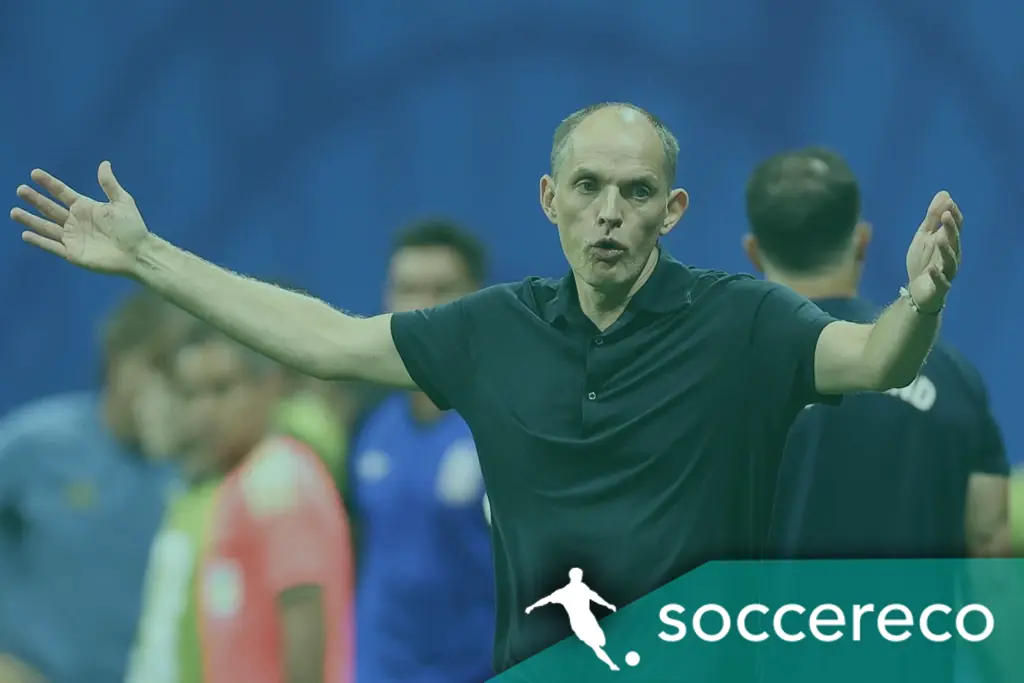
Thomas Tuchel Faces Fierce Criticism After England World Cup Semi Final Collapse
Thomas Tuchel has come under intense criticism in England after the national team suffered a painful 2-1 defeat against Argentina in the World Cup semi-final. England appeared to be heading towards the final after taking the lead, but the match changed dramatically during the closing stages as Argentina scored twice and ended English hopes of competing for the trophy.
The result has been described as one of the most painful defeats in the history of the England national team. For much of the evening, England looked capable of protecting their advantage and reaching a first World Cup final since winning the tournament in 1966. Instead, the team lost control during the final 15 minutes and allowed Argentina to complete a dramatic comeback.
Much of the criticism has focused on the tactical decisions made by Tuchel after England moved into a winning position. The German coach made defensive substitutions and changed the formation as he attempted to protect the lead. Rather than giving England greater security, the changes appeared to invite Argentina forward and left the English players defending increasingly close to their own penalty area.
The BBC described the defeat as perhaps the most painful of all for England, given how close the team had been to reaching the final. According to the analysis, only five minutes separated England from a place in the World Cup final and the possibility of footballing immortality. However, the team lost its grip on the match after Tuchel changed the structure and approach.
England had started the match with confidence and discipline. The team looked organised, aggressive and capable of causing Argentina serious problems. Their pressure was effective, the midfield competed strongly and the attacking players were able to push the South American side backwards. After taking the lead, England appeared to have the match under control.
That control gradually disappeared as the second half developed. Instead of continuing to play with the same intensity, England began to retreat. The defensive line dropped deeper, the midfield became more cautious and Argentina were allowed to dominate possession in dangerous areas.
Tuchel attempted to manage the final stages by adding more defensive players and changing the formation. The intention was clear. He wanted England to become more compact, protect the central areas and deny Argentina space near the penalty area. In practice, the changes had the opposite effect.
England lost their ability to press from the front and became increasingly passive. Argentina were able to circulate the ball without significant pressure and move more players into attacking positions. The English defence faced wave after wave of pressure, while the attacking players became isolated and unable to relieve that pressure.
Jamie Carragher was one of the strongest critics of Tuchel. Writing in The Telegraph, the former England defender argued that the coach had been appointed specifically to make the difference during the decisive moments of major tournaments.
"England appointed Thomas Tuchel to be a game changer during the final stages of the World Cup," Carragher wrote. "He was one against Argentina. The head coach substitutions and change of formation were the main cause of a demoralising and painful defeat."
Carragher believed it was immediately clear that the substitutions were having a negative effect. According to him, England dropped too deep and created their own problems by allowing Argentina to control the match.
"England dropped deeper and invited pressure onto themselves," he said.
The criticism was especially damaging because Tuchel had been appointed partly because of his reputation as an elite tactical coach. During his club career, he built a reputation for making important adjustments in major matches and finding solutions during difficult moments.
His experience in knockout competitions was seen as one of the main reasons England believed he could lead the team further than previous managers. The Football Association hoped Tuchel would provide the tactical edge needed to turn promising tournament runs into trophies.
Against Argentina, however, his decisions became the central focus of the defeat. Rather than helping England control the final minutes, the changes weakened the team structure and reduced the confidence of the players.
Former goalkeeper Joe Hart also questioned whether anything had really changed since the period under Gareth Southgate. Southgate was frequently criticised for becoming too cautious in major matches, especially when England took the lead.
Hart suggested that Tuchel had repeated many of the same mistakes.
"Tuchel has received plenty of praise, but in reality nothing has changed," Hart said. "I do not think he believed in his team and felt they could not withstand any more pressure from Argentina."
That lack of belief became an important part of the post-match debate. England had played well enough to take the lead and had shown that they could compete with Argentina. However, once Tuchel changed the system, the message to the players appeared to be that the team should stop attacking and simply try to survive.
That shift in mentality can be dangerous in major matches. When a team becomes focused only on protecting a narrow lead, it often loses the qualities that allowed it to take control in the first place.
England stopped pushing Argentina backwards and stopped threatening on the counterattack. Without that danger, Argentina were able to commit more players forward and increase the pressure.
Wayne Rooney was another former England international who criticised Tuchel. Speaking on the BBC, Rooney said the coach appeared to lose his composure during the closing stages.
"He simply panicked," Rooney said. "You cannot surrender the initiative like that when you are leading 1-0."
Rooney argued that England should have maintained pressure instead of retreating. With Argentina needing to score, there were opportunities for England to exploit the spaces left behind.
"You want to keep the pressure on when Argentina are the team that need to get back into the match," Rooney said. "But when you are on the pitch and see the substitutions the manager is making, you lose belief."
According to Rooney, the changes sent the wrong message to the players. Instead of feeling that they could continue competing, the team began to think only about holding on.
"You usually do not get away with this," he added. "Instead, you sit deeper and start thinking: how are we going to survive this?"
That sense of fear became visible during the final minutes. England stopped playing with the same confidence and aggression shown earlier in the match. Clearances became rushed, possession was quickly surrendered and the players appeared increasingly nervous.
Argentina responded by increasing the tempo and attacking with greater belief. Once the equaliser arrived, England struggled to recover emotionally and tactically.
The second goal completed a devastating turnaround and left the England players stunned. A place in the World Cup final had appeared to be within reach, but within a short period the opportunity disappeared.
For Tuchel, the defeat represents the most difficult moment of his England career. He had received praise during the tournament for improving the team and guiding them into the semi-finals. However, major tournaments are often judged by the decisive moments, and his decisions against Argentina will now be analysed for a long time.
The criticism does not mean that the Football Association is preparing to remove him. Reports indicate that Tuchel continues to have the confidence of the English governing body. His overall work during the tournament is still viewed positively, and reaching the semi-final is considered evidence of progress.
However, the manner of the defeat has created serious questions. England did not lose because Argentina completely dominated from the beginning. They lost after appearing to be in control and then changing their approach.
That makes the result harder to accept for supporters and former players. The feeling is not simply that England were beaten by a better team. The belief is that England contributed heavily to their own defeat through tactical caution and poor management of the closing stages.
Tuchel will now have to explain the thinking behind his decisions and show that he can learn from what happened. His ability to respond will be important for his future with the national team.
England still have a talented group of players and there remains optimism about the future. The squad has shown that it can compete with the strongest nations in the world. But once again, the team has fallen short when the pressure was greatest.
The defeat against Argentina will now join the long list of painful England tournament exits. What makes this one particularly difficult is how close the team came to reaching the final.
Five minutes separated England from the biggest match in international football. Instead, the team was left with disappointment, regret and another debate about whether excessive caution had cost them a historic opportunity.
For Tuchel, the message from the English media is clear. He was appointed to make decisive tactical choices in the biggest moments. Against Argentina, those choices became the main reason England lost control and saw their World Cup dream disappear.