Zinédine Zidane will become the new France national team coach. According to Le Parisien and LÉquipe, the French Football Federation has reached a final agreement with the former international, who will succeed Didier Deschamps after the World Cup.
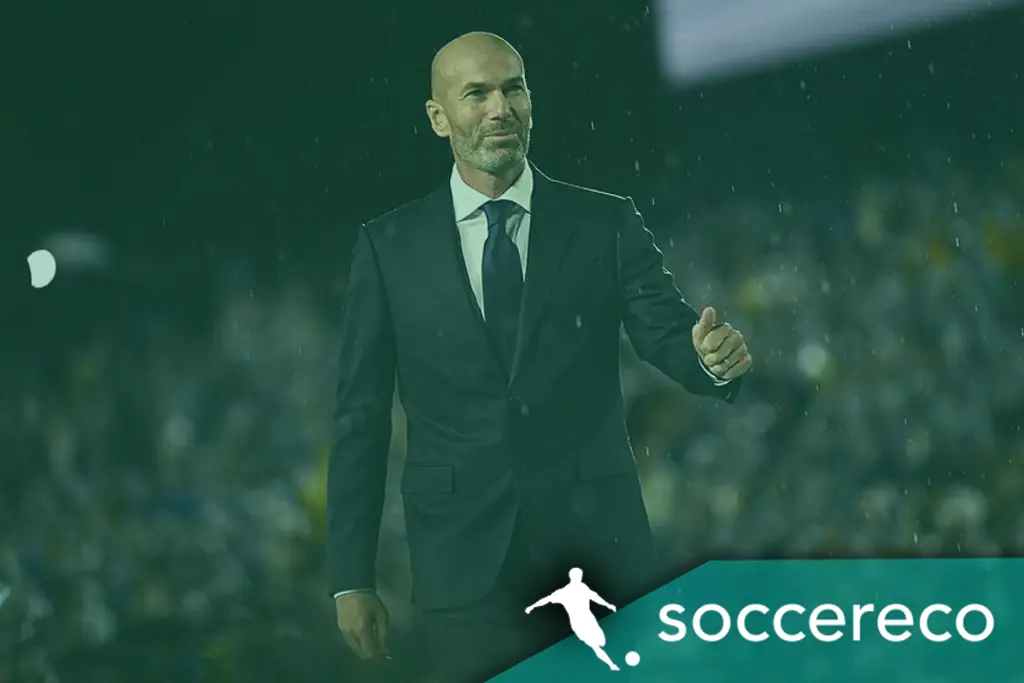
It had been clear for a long time that Zinédine Zidane was the leading name whenever the future of the France national team was discussed.
Even without any official confirmation from the French Football Federation, his profile, his history with the national team and his success at club level made him the obvious candidate in the eyes of many supporters and observers. Now, according to reports in the French media, that expected transition is edging closer to reality, with Zidane set to become the next France coach once Didier Deschamps leaves his post after the next World Cup.
For months, the federation had tried to handle the situation carefully. Deschamps remains in charge and the priority has been to avoid creating unnecessary distraction ahead of such an important tournament cycle. France are still preparing for the 2026 World Cup and the federation has wanted to show respect to the coach who has led the national side for more than a decade. Even so, the belief that Zidane would eventually take over never truly disappeared. It remained one of the worst kept secrets in French football, discussed repeatedly in the media and among supporters, even if nobody in an official role wanted to confirm it too early.
Zidane has been without a coaching job since leaving Real Madrid in 2021, but his name has continued to carry huge weight. That is not only because of his legendary playing career, but also because of what he achieved as a manager. At Real Madrid, he built an outstanding reputation by guiding one of the biggest clubs in the world to major trophies, including an extraordinary run of Champions League success. His calm authority, his understanding of dressing room dynamics and his ability to manage elite talent all strengthened the idea that he was destined to one day lead France.
His connection with Les Bleus goes far beyond football tactics or managerial reputation. Zidane is one of the most important figures in the history of the French national team. He was central to the country greatest triumphs, especially during the golden era that brought major international trophies and transformed France into one of the dominant powers in world football. Because of that, the idea of Zidane returning to lead the national side has always carried a symbolic dimension as well as a sporting one. For many in France, it would not just be the appointment of a coach, but the start of a new chapter led by a figure who already represents excellence, prestige and national football identity.
At the same time, the transition comes at the end of a remarkable spell under Deschamps. When he steps down after the World Cup, he will leave behind one of the longest and most significant managerial periods in the history of the French national team. Fourteen years in charge is an extraordinary length of service in modern international football, especially at the highest level, where expectations are relentless and pressure never disappears. During that period, Deschamps has maintained France among the top nations in the game, guiding the team through multiple major tournaments and helping to build a side that combined experience, physical power, technical quality and depth.
Deschamps has often been praised for his pragmatism, his discipline and his ability to keep France competitive even when the style of play did not always win universal admiration. He has overseen generations of talent and managed the difficult task of refreshing the squad while keeping results strong. That is why the federation has wanted to close his era with dignity. Regardless of who comes next, Deschamps leaves with his place in French football history already secured.
The possibility of Zidane succeeding him also creates major interest because of the type of squad he could inherit. France continue to possess one of the deepest pools of talent in international football. There is elite quality across the pitch, from experienced leaders to younger players capable of shaping the team for many years. Any new coach would be taking over one of the most demanding jobs in the sport, but also one of the most attractive. Expectations would be enormous, yet the tools available would be equally impressive. Zidane, if appointed, would arrive with the challenge of preserving France competitive strength while also imprinting his own football identity on the team.
The timing is also significant because France still have unfinished business under Deschamps at the 2026 World Cup in the United States, Canada and Mexico. He will remain in charge until the end of that tournament, meaning the transition will only take place afterward. France already know that they will face Senegal, Norway and one more opponent from the play offs, giving the group stage a very interesting shape. On paper, France will be expected to progress, but there are no easy games at a World Cup and every opponent brings a different challenge. Senegal offer athleticism, intensity and tournament experience, Norway can be dangerous with their growing quality and physical strength, while a play off qualifier always carries unpredictability.
That gives Deschamps one final opportunity to add to his legacy before handing the team over. It also gives Zidane more time to wait for the role that many believe has always been his preferred destination. In that sense, the story feels almost inevitable. Zidane has not rushed back into management despite being linked with major club jobs. France, meanwhile, have known that change was coming eventually, but wanted to manage it on their own terms. Those two strands now appear ready to meet.
Until the official announcement arrives, there will still be an element of caution around the story. But the overall picture is becoming increasingly clear. Deschamps is set to complete his final mission with France at the World Cup, closing a long and successful era, and Zidane appears ready to step in afterward as the man chosen to lead the next generation. It would be one of the biggest managerial moves in international football, not because it is surprising, but because it would unite one of the most prestigious national teams in the world with one of the most iconic figures the sport has produced.