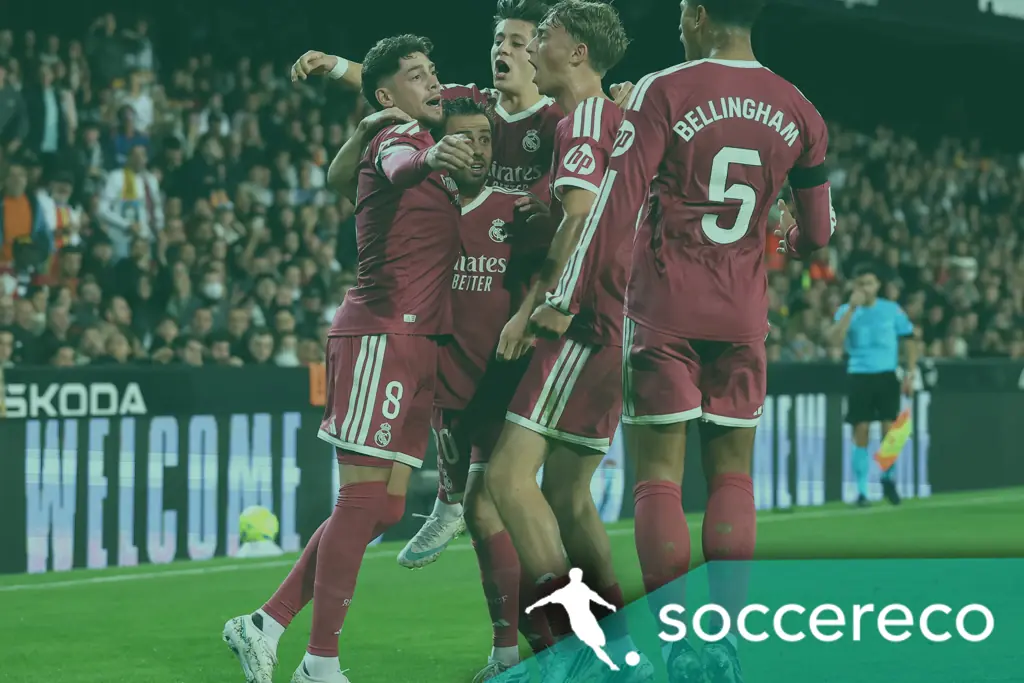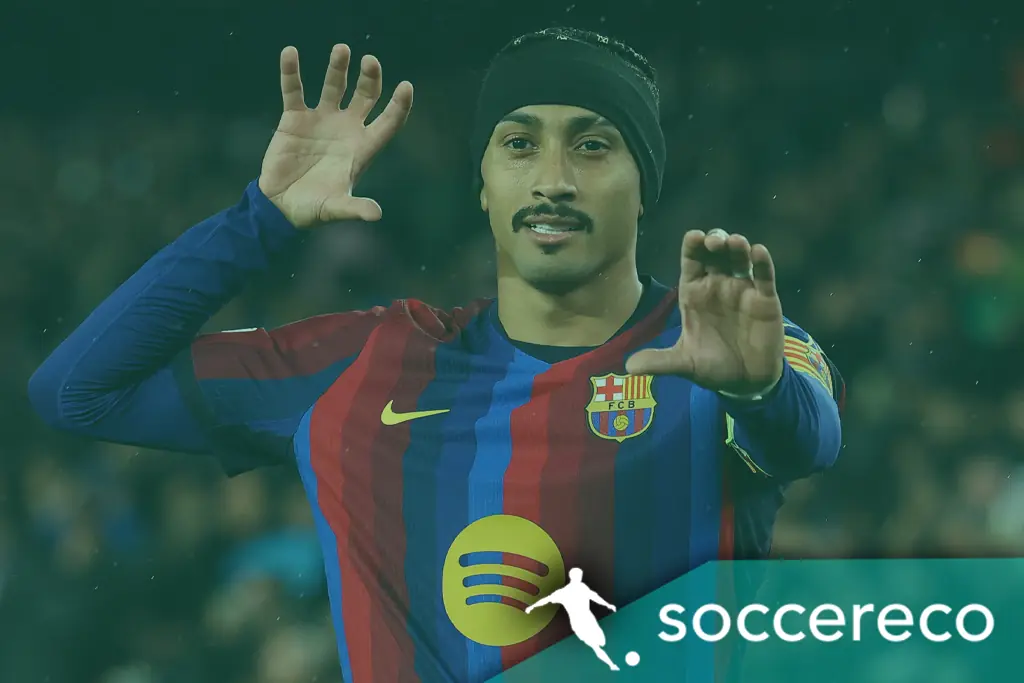
Argentina suffer a 2-1 defeat to Uruguay in their first match since Lionel Messi's retirement, as Maxi Araújo scores and Gianluca Prestianni provides an assist.
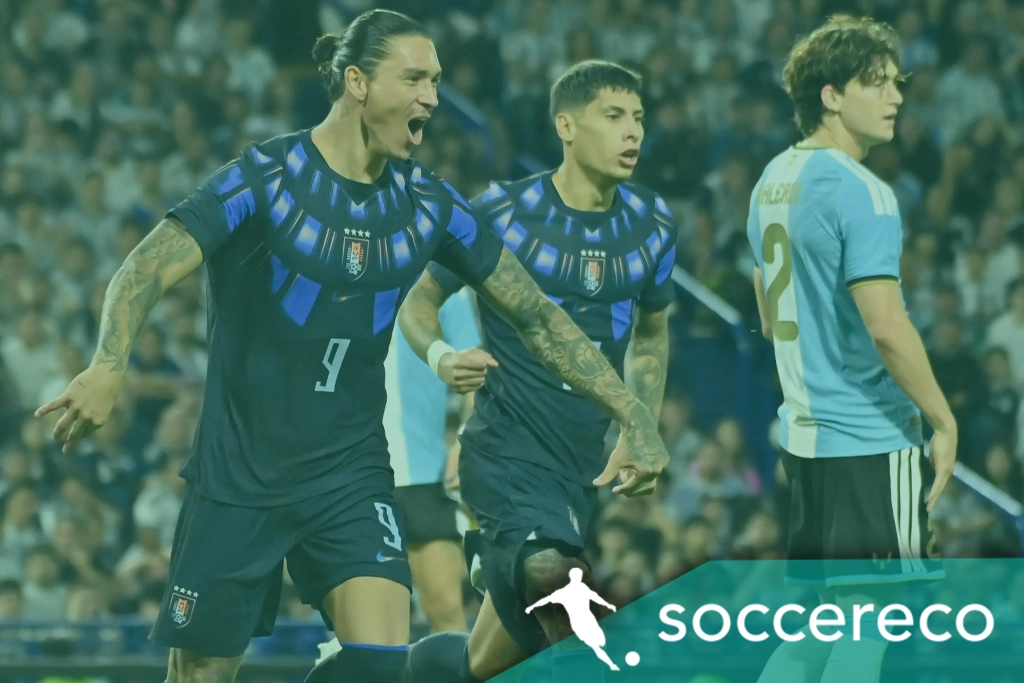
Argentina Suffer Defeat to Uruguay in First Match Since Lionel Messi Retirement
Argentina's new era without Lionel Messi began with a disappointing result as Lionel Scaloni's side suffered a 2-1 defeat against Uruguay in an international friendly at La Bombonera in Buenos Aires. Playing their first match since the legendary forward announced his retirement from international football, the Albiceleste struggled to find their usual attacking rhythm and were punished by two goals early in the second half.
An own goal from Leonardo Balerdi in the 48th minute gave Uruguay the lead before Sporting CP midfielder Maxi Araújo doubled the visitors' advantage just five minutes later. Argentina attempted to respond, with Benfica youngster Gianluca Prestianni providing the assist for Julián Álvarez to reduce the deficit in the 73rd minute, but the hosts were unable to complete the comeback.
The result provided an encouraging victory for Uruguay under Diego Forlán, who continues to make progress in his early months as national team coach. For Argentina, however, the defeat highlighted some of the challenges that await Scaloni as he begins rebuilding a team that relied on Messi's extraordinary creativity and influence for more than two decades.
Although the match was only a friendly, its significance extended beyond the result. It was the first opportunity for Argentina supporters to see their national team without the player who led them to the 2022 World Cup title and became the defining figure of an unforgettable generation.
Argentina Begin Life Without Lionel Messi at La Bombonera
The atmosphere surrounding Friday's encounter was different from the celebrations that have accompanied Argentina's recent international appearances. Messi's retirement in October brought an end to an extraordinary career with the national team, leaving a considerable emotional and sporting void.
The 39-year-old forward concluded his international journey with 207 appearances and 125 goals, having helped Argentina win the Copa América in 2021 and 2024, the Finalissima in 2022 and the FIFA World Cup later that year.
His absence was noticeable before the match even began. Many supporters arrived at La Bombonera wearing Messi's famous number 10 shirt, paying tribute to the player who had become synonymous with the national team.
However, the stadium did not sell out, an unusual sight for an Argentina international in recent years. The empty seats provided another reminder that the national team was entering a different period following the departure of its most recognisable figure.
Scaloni also made a symbolic decision by leaving the number 10 shirt unassigned for the match. The Argentina coach explained that he had not yet chosen a successor and preferred not to allocate the number simply because it was available.
That decision reflected the difficulty of replacing a footballer whose influence went far beyond individual statistics. Messi was not only Argentina's leading attacking player but also the figure around whom much of their offensive football was organised.
Without him, responsibility for creating chances and deciding matches must now be shared among several players. The encounter against Uruguay offered an early indication of how complicated that transition could become.
Uruguay Frustrate Argentina During Competitive First Half
Argentina began the match attempting to establish control through possession, with Enzo Fernández, Alexis Mac Allister and Exequiel Palacios involved in organising play through midfield.
Nicolás Paz and Thiago Almada were given opportunities to contribute in attacking positions, while Julián Álvarez operated as the principal forward.
The hosts enjoyed periods of territorial superiority but found it difficult to create clear chances against Uruguay's organised defensive structure.
Under Forlán, the visitors showed considerable discipline, remaining compact when Argentina controlled possession and attempting to exploit opportunities through quick transitions.
Uruguay's defensive organisation frequently forced Argentina to circulate the ball around the penalty area rather than penetrate centrally. Although the hosts demonstrated technical quality in midfield, their attacking movements lacked the unpredictability that Messi had so often provided.
Paz produced one of Argentina's better opportunities during the first half, forcing Uruguay goalkeeper Cristopher Fiermarín into an important save. Álvarez also threatened, but the visitors managed to prevent the hosts from establishing a meaningful advantage.
At the opposite end, Uruguay looked dangerous when delivering balls into the penalty area, particularly from set pieces. Their physical presence and ability to challenge Argentina's defenders would eventually prove decisive.
The first half ended without a goal, leaving the contest evenly balanced. Although Argentina had enjoyed more possession, Uruguay appeared comfortable with the tactical demands of the encounter and remained confident in their ability to create opportunities.
Leonardo Balerdi Own Goal Gives Uruguay the Advantage
The match changed dramatically shortly after the interval when Uruguay took the lead through an unfortunate own goal from Leonardo Balerdi.
In the 48th minute, Giorgian de Arrascaeta delivered a dangerous free kick from the left, creating confusion inside Argentina's penalty area.
Lisandro Martínez attempted to clear the ball with a header, but his effort struck teammate Balerdi and deflected into the net, leaving goalkeeper Gerónimo Rulli unable to prevent the goal.
The incident was particularly frustrating for Argentina because the defence had appeared reasonably comfortable for much of the opening period.
Rather than being undone by an elaborate attacking move, the hosts conceded following a breakdown in communication and positioning during a set-piece situation.
For Uruguay, the goal provided a significant psychological advantage. Having successfully frustrated Argentina during the first half, Forlán's players suddenly found themselves leading in one of South American football's most traditional rivalries.
The visitors immediately recognised an opportunity to increase their advantage, continuing to apply pressure instead of retreating into a purely defensive approach.
That decision paid off almost immediately.
Sporting CP Star Maxi Araújo Doubles Uruguay's Lead
Just five minutes after taking the lead, Uruguay scored again, with Maxi Araújo producing another important contribution for his country.
In the 53rd minute, De Arrascaeta delivered a corner into Argentina's penalty area, where the Sporting CP player managed to redirect the ball towards goal.
His effort looped beyond Rulli and into the net, giving Uruguay a 2-0 advantage and leaving the home crowd stunned.
The goal was another illustration of Argentina's vulnerability when defending deliveries into their penalty area. Both Uruguay goals arrived from dead-ball situations, an area Scaloni will undoubtedly want his players to improve before their next international fixture.
For Araújo, the goal represented an important moment in another impressive international appearance. The Sporting player has become a valuable option for Uruguay because of his ability to contribute in several areas of the pitch.
His pace, movement and willingness to attack space provide an important outlet when Uruguay are attempting to move forward quickly. Against Argentina, he combined those qualities with the concentration required to capitalise on a set-piece opportunity.
The goal also highlighted the influence of players competing in Portuguese football. While Araújo was making the difference for Uruguay, another player based in Portugal would soon emerge as one of Argentina's most dangerous attacking options.
Gianluca Prestianni Makes Immediate Impact for Argentina
With Argentina trailing by two goals, Scaloni turned to his substitutes in an attempt to change the direction of the match.
One of his decisions was to introduce Benfica winger Gianluca Prestianni, who replaced Thiago Almada in the 60th minute.
The youngster brought additional energy and directness to Argentina's attacking play, providing a different option against a Uruguay defence that had been comfortable for much of the contest.
Prestianni attempted to stretch the visitors by attacking from wide positions, using his acceleration and close control to create opportunities around the penalty area.
His introduction gradually helped Argentina become more threatening, particularly when the hosts managed to move the ball quickly into attacking areas.
The decisive contribution arrived in the 73rd minute.
Prestianni advanced down the left and delivered a well-judged pass towards Julián Álvarez, who finished to reduce Uruguay's advantage to 2-1.
The goal demonstrated the qualities that have made the Benfica winger one of Argentina's promising young attacking players. His ability to take on defenders, create space and provide accurate deliveries offered the hosts an attacking dimension they had been missing earlier in the match.
For Argentina, the goal restored hope of completing a comeback. For Prestianni, it was a valuable contribution in an international encounter against a strong regional rival.
Although the result ultimately ended in defeat, his performance provided Scaloni with something positive to consider when assessing the younger players available for the next stage of the national team's development.
Julián Álvarez Gives Argentina Hope but Uruguay Hold Firm
Álvarez's goal transformed the final stages of the contest, with Argentina suddenly believing that an equaliser was possible.
The Atlético Madrid forward had worked hard throughout the match, frequently attempting to create space against Uruguay's centre-backs and offer passing options for his teammates.
His finish in the 73rd minute rewarded that persistence and brought the home crowd back into the encounter.
Argentina increased their attacking intensity after reducing the deficit, committing more players forward and attempting to force Uruguay into defensive mistakes.
However, the visitors responded with discipline. Forlán adjusted his team as the match progressed, introducing fresh players and reinforcing the midfield to prevent Argentina from establishing sustained pressure.
Uruguay became more cautious during the closing stages, defending their advantage while looking for opportunities to counterattack when Argentina left space behind.
Álvarez had another opportunity during stoppage time, but the home side were unable to find the second goal required to avoid defeat.
The final whistle confirmed a 2-1 victory for Uruguay, providing a satisfying result for the visitors and a disappointing beginning to Argentina's post-Messi era.
Although Argentina improved after Prestianni's introduction, their reaction came too late to overturn the damage caused by the two early second-half goals.
Diego Forlán Continues Positive Start as Uruguay Coach
For Uruguay, the victory represented another encouraging step under Diego Forlán, who has been working to establish his ideas since taking charge of the national team.
The former Atlético Madrid and Manchester United forward understands the importance of matches against Argentina, both because of the historical rivalry between the countries and the expectations surrounding Uruguay's national team.
His side demonstrated several positive qualities at La Bombonera, particularly in defensive organisation, set-piece execution and the ability to manage difficult periods of the match.
Uruguay did not need to dominate possession to control important moments. Instead, they remained organised, waited for opportunities and showed efficiency when Argentina made mistakes.
De Arrascaeta was particularly influential through his deliveries from set pieces, helping create both goals early in the second half.
Ronald Araújo and Mathías Olivera contributed to a defensive performance that largely restricted Argentina's attacking options, while Rodrigo Bentancur and Lucas Torreira helped provide balance in midfield.
Forlán also benefited from the attacking movement of Araújo and Darwin Núñez, who gave Uruguay options when transitioning from defence to attack.
The result was Uruguay's third victory under their new manager, strengthening confidence in the direction of the team.
Beating Argentina away from home is always significant for Uruguay, regardless of whether the encounter is competitive or friendly. The victory should provide further encouragement ahead of their next international commitments.
Scaloni Faces Challenge of Rebuilding Argentina Without Messi
For Lionel Scaloni, the defeat represents an early reminder of the difficulties involved in beginning a new era without the player who defined Argentina's attacking football for so many years.
Messi's retirement has not removed the considerable talent available to the national team, but it has created a different tactical challenge.
Throughout Argentina's most successful period under Scaloni, Messi was capable of deciding matches with a single pass, an unexpected movement or an individual moment of brilliance.
His presence also influenced how opponents defended. Rival teams frequently committed several players to limiting his involvement, creating additional space for his teammates.
Without that particular threat, Argentina must find alternative ways to destabilise organised defences.
Players such as Paz, Almada, Prestianni and Álvarez possess the technical ability to make important contributions, but developing effective partnerships requires time and consistent opportunities.
The match against Uruguay highlighted both the challenges and potential solutions.
Argentina struggled to penetrate the visitors' defence during the opening stages, but the introduction of Prestianni demonstrated how individual creativity and direct attacking movement can change the rhythm of a match.
Scaloni must also address the defensive mistakes that proved so costly. Conceding twice from set pieces within five minutes is a problem unrelated to Messi's absence and one that requires immediate attention.
The Argentina coach recently extended his contract until 2030, providing continuity as the national team begins planning for future competitions.
His challenge is now to develop a new identity while preserving the collective strength that helped Argentina become one of the world's most successful international teams.
The Number 10 Shirt Remains Vacant After Messi Retirement
One of the most symbolic details of the match was Scaloni's decision not to assign Messi's number 10 shirt to another player.
The shirt has enormous significance in Argentine football, having previously been worn by Diego Maradona and later becoming inseparable from Messi's international career.
For more than two decades, Messi represented the country's footballing ambitions while wearing that number, producing moments that will remain part of Argentina's sporting history.
Scaloni has explained that there is no urgency to identify a successor, particularly when the team is not required to allocate every shirt number during a friendly.
The decision should not necessarily be interpreted as a permanent retirement of the number. Instead, it reflects the coach's desire to allow the transition to develop naturally.
Finding another player to wear number 10 will eventually become a practical matter, but replacing Messi's influence is a much more complicated challenge.
For Argentina supporters, the empty shirt served as another reminder that a remarkable chapter in the national team's history has ended.
The defeat against Uruguay made that reality even more noticeable, although it would be premature to draw major conclusions from a single friendly.
Argentina and Uruguay Prepare for Next International Friendlies
Both national teams will continue their November international schedule with another friendly on Tuesday, November 17.
Argentina will face Costa Rica at the Estadio Mario Alberto Kempes in Córdoba, providing Scaloni with an immediate opportunity to assess his players following the defeat against Uruguay.
The match could offer additional playing time to younger members of the squad, particularly those who demonstrated encouraging qualities during Friday's encounter.
Prestianni will be among the players hoping to earn a more prominent role after his assist against Uruguay, while Álvarez will look to build on his goalscoring contribution.
Scaloni may also use the encounter to experiment with different midfield combinations and attacking structures as he searches for greater creativity without Messi.
Uruguay, meanwhile, will return home to face the Dominican Republic in Maldonado.
Forlán will be looking to build on the confidence generated by the victory in Buenos Aires and continue developing the tactical organisation that helped his team secure the result.
The two matches offer contrasting challenges, but both coaches will view them as useful opportunities to assess their squads before more demanding competitive fixtures.
Argentina Must Learn From First Setback of Post-Messi Era
Argentina's 2-1 defeat against Uruguay will inevitably attract additional attention because of its timing. Losing the first match following Messi's retirement creates an obvious narrative about the difficulties of moving forward without one of football's greatest players.
However, the result should also be considered within the context of an international friendly played during a period of transition.
Argentina still possess considerable quality throughout their squad, including experienced players who contributed to major international successes and younger footballers capable of shaping the team's future.
Álvarez remains an established attacking option, while Mac Allister, Enzo Fernández and other midfielders provide a strong technical foundation.
The emergence of players such as Prestianni also offers encouragement. His contribution against Uruguay showed that Argentina have young talent capable of making an impact, even when the team is struggling to create chances.
The more immediate concerns involve defensive organisation and attacking consistency. Uruguay were able to exploit two set-piece situations in quick succession, while Argentina's response only became effective after several substitutions.
Those are problems Scaloni can address through tactical adjustments and further work with the squad.
For Uruguay, the evening will be remembered as an important away victory and another positive result under Forlán. Maxi Araújo's goal was decisive, while the visitors' defensive discipline helped them withstand Argentina's late pressure.
For Argentina, the match marked the beginning of a new chapter that was always likely to involve adjustments. Messi's influence cannot be replaced immediately, and the next generation must develop its own identity rather than attempt to reproduce everything he provided.
The friendly against Costa Rica will offer the Albiceleste their first opportunity to respond. After a disappointing start at La Bombonera, Scaloni will want to see greater defensive concentration, more effective attacking combinations and a performance that demonstrates Argentina can continue competing at a high level in the years ahead.
The Messi era may have ended, but Argentina's ambition remains unchanged. The challenge now is turning the quality available within the squad into a new collective identity, starting with a stronger performance in their next international match.