FIFA faces scrutiny after reports claimed DR Congo goalkeeper Lionel Mpasi played at the 2026 World Cup despite an unresolved eligibility process.
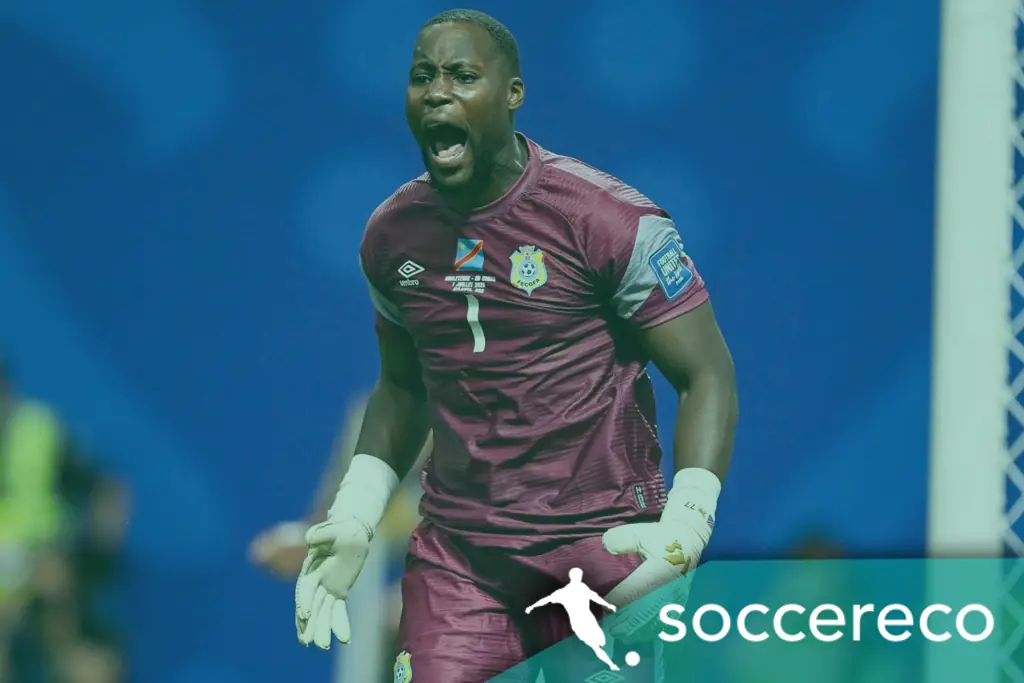
FIFA faces controversy over Lionel Mpasi eligibility at 2026 World Cup
FIFA has been drawn into a new controversy following the 2026 World Cup after reports claimed that Democratic Republic of Congo goalkeeper Lionel Mpasi was allowed to participate in the tournament despite not having completed the necessary eligibility process. According to information published by the New York Times and Le Monde, officials within world football's governing body were aware of the situation before the competition began but still permitted the player to represent DR Congo on the biggest stage in international football.
The case has attracted particular attention because it reportedly involves documents that should have determined whether Mpasi was legally entitled to represent the Congolese national team. The goalkeeper was born in France and previously represented French youth teams, meaning a formal administrative process was required before he could switch his international allegiance and play for DR Congo at senior level.
According to the reports, legal officials working for FIFA became aware before the start of the World Cup that the process had not been properly completed. Despite this, Mpasi was allowed to remain part of the DR Congo squad and participate in the tournament. The situation has now raised questions over how FIFA handled the matter internally, what information was available to decision-makers and why the player was permitted to compete if his documentation was incomplete.
The issue is particularly sensitive because DR Congo had already been involved in a contentious qualification battle with Nigeria. The Congolese national team eliminated Nigeria during the qualifying process before later securing their place in the decisive play-off against Jamaica. Nigeria subsequently filed a complaint concerning Mpasi's eligibility, prompting FIFA to examine the case in greater detail.
Nigeria complaint triggered FIFA investigation
The investigation reportedly began after the Nigerian Football Federation formally challenged Mpasi's right to represent DR Congo. The complaint centred on the administrative procedures required for a player who had previously represented another country at youth level to become eligible for a new national team.
Mpasi had played for France at youth international level before committing his senior career to DR Congo. Such situations are relatively common in modern football, particularly for players with family links to more than one country. However, national team eligibility is governed by strict regulations, and the relevant paperwork must be completed before a player can legally represent a different association.
According to the documents cited in the reports, the Congolese federation had never fully completed the process necessary to formalise Mpasi's change of sporting nationality. The FIFA investigation allegedly confirmed that the required procedure had remained unfinished, creating a significant problem because the goalkeeper had already accumulated a large number of appearances for DR Congo.
What has made the controversy more serious is the claim that the issue was known before the World Cup itself. If those reports are accurate, the debate is no longer limited to an administrative mistake by the Congolese federation. It also raises questions about FIFA's own decision-making and whether the organisation knowingly allowed a potentially ineligible player to participate in the competition.
The reports suggest that FIFA officials chose not to prevent Mpasi from playing even after concerns had been identified. That apparent decision has inevitably increased frustration in Nigeria, where the federation can argue that the player's status should have been resolved before DR Congo were permitted to continue their qualification campaign and eventually enter the World Cup.
Mpasi had already become an established DR Congo international
By the time the controversy emerged publicly, Mpasi was far from being a newcomer to the Congolese national team. The goalkeeper had already collected 33 senior international appearances for DR Congo, establishing himself as an experienced member of the squad and becoming a familiar figure in the country's international matches.
His international background is central to the case. Born in France, Mpasi progressed through the French football system and was considered talented enough to represent the country at youth level. He later chose to play senior international football for DR Congo, reflecting a path taken by many footballers with dual nationality or family heritage connected to another country.
Changing international allegiance is permitted under FIFA regulations in certain circumstances, but the administrative process must be properly completed. A player's previous appearances, age at the time of those appearances and the competition in which they were made can all be relevant when determining whether a switch is allowed.
The controversy surrounding Mpasi therefore does not necessarily concern whether he had a legitimate connection to DR Congo. Instead, the focus is on whether the required formal process was completed correctly and whether FIFA had officially authorised him to represent the country before he started appearing in competitive matches.
That distinction is important because football eligibility disputes are often decided on technical and procedural grounds. A player may have obvious family ties to a country and genuinely wish to represent it, but national federations still have an obligation to ensure all required documentation is approved before including that player in official competitions.
Questions over FIFA handling of the case
The most damaging element for FIFA is the suggestion that the problem had already been identified internally. The New York Times and Le Monde reportedly obtained documents indicating that FIFA legal officials had knowledge of the issue before the World Cup began. If confirmed, that would raise serious questions about why the matter was not resolved before DR Congo entered the tournament.
World football's governing body is responsible for administering eligibility rules consistently across all member associations. National federations depend on FIFA to provide certainty when questions arise over a player's status, particularly in competitions as important as the World Cup.
Allowing a player to participate while his eligibility was still unresolved risks creating disputes long after matches have been completed. It can also place rival teams in an extremely difficult position because the sporting consequences cannot easily be reversed once a qualification campaign or tournament has progressed.
Nigeria's dissatisfaction is therefore understandable from a competitive perspective. The team were eliminated by DR Congo during the qualification process and later learned that a player involved with the Congolese national side may not have completed the formal steps necessary to be eligible. Even if FIFA ultimately decides that the sporting results should stand, the circumstances surrounding the case are likely to remain controversial.
The reports also create broader concerns about transparency. Supporters, federations and players will want to understand whether the situation resulted from an administrative oversight, an interpretation of FIFA regulations or a deliberate decision to allow Mpasi to continue while the issue remained unresolved.
DR Congo reached World Cup after difficult qualification route
The controversy comes after a memorable qualification campaign for DR Congo, who had to overcome significant obstacles to reach the 2026 World Cup. Their victory over Nigeria became one of the defining moments of the campaign, allowing them to remain in contention before eventually securing a place in the decisive play-off against Jamaica.
Reaching the World Cup represented a major achievement for the Congolese national team and provided a significant moment for football in the country. The squad had built momentum throughout qualifying and arrived at the tournament with hopes of competing against some of the strongest national teams in the world.
However, the emergence of the Mpasi eligibility issue has now cast a shadow over part of that journey. Rather than focusing exclusively on the sporting achievement, attention has shifted towards the administrative process that allowed the goalkeeper to represent DR Congo throughout the campaign.
For Nigeria, the situation carries even greater emotional weight because their elimination came directly against the Congolese side. Any allegation involving an ineligible player is likely to generate frustration among supporters and officials who believe their team may have been disadvantaged.
At the same time, the available reports do not suggest that the entire DR Congo campaign was automatically invalidated. Any sporting consequences would depend on FIFA rules, the exact timing of Mpasi's appearances, the nature of the paperwork problem and how the governing body formally interprets the case.
DR Congo opened World Cup against Portugal
Once at the World Cup, DR Congo began their campaign with one of the most demanding possible fixtures, facing Portugal in their opening match of Group K. Despite entering the game as outsiders, the African side produced an impressive performance and earned a surprising draw.
Portugal took the lead through João Neves, but DR Congo responded through Wissa, who scored the equaliser and ensured the match ended level. The result was viewed as a major success for the Congolese team and immediately demonstrated that they were capable of competing against highly rated opposition.
The draw gave DR Congo a valuable point and increased interest in their campaign, particularly after the difficult route they had taken to reach the tournament. Their organisation, physical intensity and determination allowed them to frustrate Portugal and produce one of the notable results of the opening round.
However, the team's World Cup journey ultimately ended in the round of 32, where they were eliminated by England following a 2-1 defeat. Despite the disappointment of the elimination, reaching the knockout stage represented a significant achievement for the team.
The Mpasi controversy has therefore emerged after DR Congo had already completed a relatively successful tournament. That timing makes the situation more complicated because the disputed eligibility issue is now being discussed retrospectively, after qualification matches and World Cup fixtures have already been played.
Eligibility rules under renewed scrutiny
The case is likely to renew debate about how FIFA manages international eligibility changes and how quickly potential problems are addressed. Nationality regulations have become increasingly important in modern football because many players are eligible to represent more than one country.
Federations often invest significant time in convincing dual-national players to represent them, particularly when those footballers have developed in another country's youth system. FIFA regulations provide a legal framework for such switches, but the administrative process must be precise to avoid future disputes.
When questions arise, they can have significant consequences. Clubs and national teams are accustomed to dealing with registration rules, but international eligibility carries additional complexity because decisions may affect qualification campaigns involving several countries.
For that reason, football associations are generally expected to confirm a player's status before fielding him in a competitive match. Failure to do so can expose teams to protests, disciplinary procedures and possible sporting sanctions.
The Mpasi case is particularly unusual because the reports suggest FIFA itself was aware of the incomplete documentation. That detail separates it from a conventional eligibility dispute in which a governing body only discovers a problem after a rival federation submits a complaint.
Pressure grows for clarification from FIFA
The next major development is likely to depend on whether FIFA provides a detailed explanation of the case. The organisation will face pressure to clarify when it first became aware of the problem, what information was available internally and why Mpasi was allowed to participate in the World Cup despite concerns over his documentation.
There will also be questions over whether the same eligibility issue applied throughout his previous appearances for DR Congo or whether it concerned a specific stage of the administrative process. Given that Mpasi had already played 33 times for the national team, the answer could have implications extending well beyond the 2026 World Cup.
Nigeria, meanwhile, will continue to have a direct interest in the investigation because of the role DR Congo played in ending their qualification campaign. The Nigerian federation's complaint was the trigger for the review, and officials will want to know whether FIFA accepts that a procedural breach occurred and, if so, whether any disciplinary or sporting consequences will follow.
For DR Congo, the controversy threatens to overshadow what had been an important period for the national team. The country qualified for the World Cup, held Portugal to a draw and reached the knockout phase, achievements that would normally dominate the discussion surrounding the squad.
Instead, attention is now focused on whether one of their most experienced players was properly authorised to represent them. Until FIFA provides a comprehensive explanation, uncertainty is likely to remain over both the handling of Mpasi's international status and the decisions made by officials before the tournament began.
The case has become another test of FIFA's ability to apply its regulations consistently and transparently. With documents reportedly showing that officials were aware of the issue in advance, the controversy is no longer only about whether the Congolese federation completed the correct paperwork. It is also about what FIFA knew, when it knew it and why the governing body still allowed Lionel Mpasi to take part in the 2026 World Cup.