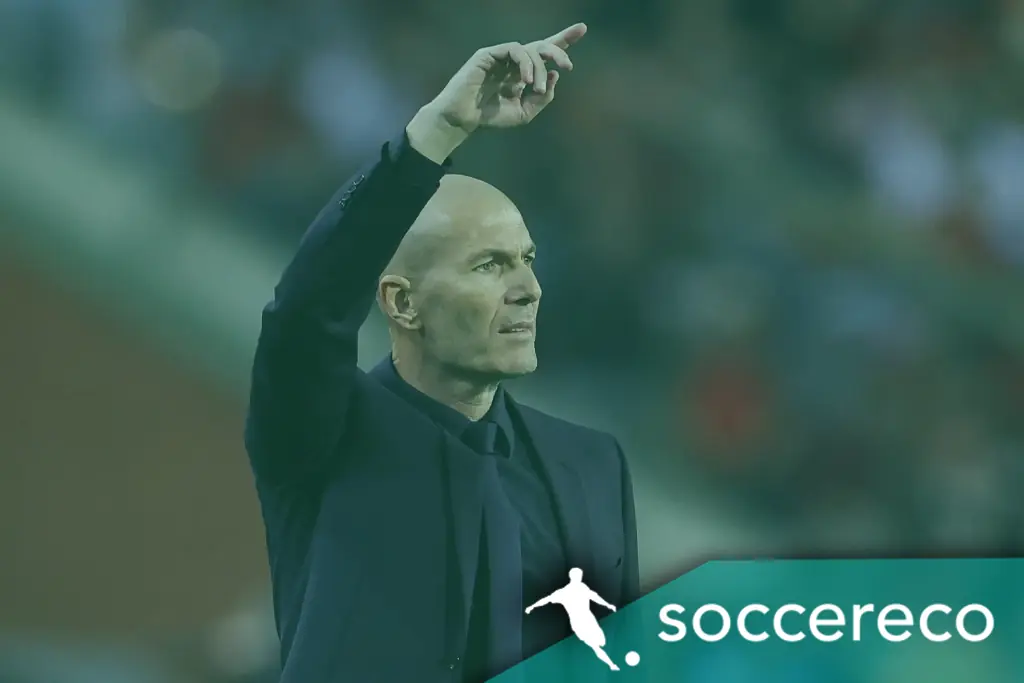
Manchester City chairman Khaldoon Al Mubarak's diplomatic immunity comes under scrutiny as the club appeals its Premier League financial misconduct verdict.
Manchester City Chairman Khaldoon Al Mubarak Has Diplomatic Immunity as Club Prepares Appeal Against Premier League Verdict
Manchester City chairman Khaldoon Al Mubarak has enjoyed diplomatic immunity in the United Kingdom since 2020, according to information published by the Financial Times, a development that could complicate potential legal proceedings arising from the club's financial misconduct case. The Emirati executive, who has chaired Manchester City since 2008, benefits from diplomatic protections that generally prevent criminal proceedings against him in British courts and also provide immunity from most civil actions. The revelation comes at a particularly sensitive moment for the Premier League club, which has been found guilty by an independent commission of serious financial regulation breaches covering nine seasons and is preparing to challenge the decision through an appeal.
The situation has attracted considerable attention in English football following the publication of the commission's findings, which concluded that Manchester City had used misleading commercial agreements and financial arrangements to artificially increase their revenue and reduce their reported expenditure between the 2009/10 and 2017/18 seasons. According to the Premier League, the arrangements allowed the club to present accounts that concealed the true state of its finances and created the appearance of compliance with regulations designed to control spending. Manchester City have rejected the conclusions and maintain that they possess extensive evidence supporting their innocence, with the deadline for submitting an appeal expiring on Friday, October 2.
The Financial Times report concerning Al Mubarak introduces a separate legal question into a controversy that has already involved years of investigations, disputed financial documents and disagreements between the club and the Premier League. Although diplomatic immunity may limit the possibility of bringing certain proceedings against the chairman personally, it does not prevent Manchester City from being investigated or sanctioned under football's regulatory framework. The independent commission's ruling concerns the conduct of the club, and Al Mubarak has not been personally convicted of or charged with any criminal offence in connection with the case.
At the same time, Manchester City have received strong public support from Etihad Airways, the Abu Dhabi-based airline that has been one of the club's principal commercial partners for many years. The company has categorically denied allegations suggesting that it participated in improper financial arrangements and has indicated that it is considering legal action against the Premier League. The airline's response has added another dimension to the dispute, particularly because sponsorship agreements form a central part of the financial irregularities identified by the independent commission.
Financial Times Reveals Diplomatic Protection Held by Manchester City Chairman
According to the Financial Times, Khaldoon Al Mubarak was included on the United Kingdom's official list of accredited diplomats in 2020, reflecting his responsibilities as a senior representative of the United Arab Emirates. That status provides him with significant legal protections under the diplomatic framework applicable in Britain, including immunity from criminal jurisdiction and protection against most forms of civil proceedings. The revelation has become particularly relevant following the Premier League's ruling because of the possibility that the financial controversy could eventually give rise to legal action extending beyond the competition's disciplinary procedures.
Al Mubarak has occupied the presidency of Manchester City since the club was acquired by Sheikh Mansour in 2008, overseeing a period of major sporting and commercial expansion. In addition to his responsibilities in football, he holds senior positions within Abu Dhabi's investment and economic structures, including his role at Mubadala Investment Company. Those responsibilities have made him an influential figure in international business and have contributed to his involvement in the economic relationship between the United Arab Emirates and the United Kingdom.
The diplomatic status reported by the Financial Times could become relevant if legal proceedings were brought against Al Mubarak personally in British courts. Diplomatic immunity is intended to protect accredited representatives from certain forms of legal action in the country where they are recognized, although its precise application can depend on the nature of the proceedings and the individual's status. The protections do not automatically extend to every commercial entity with which a diplomat is associated, and they do not establish that the individual concerned has committed any wrongdoing.
In Manchester City's case, the distinction between personal legal immunity and the club's disciplinary responsibilities is particularly important. The Premier League's proceedings have been brought against Manchester City as a member club, with the independent commission examining whether its financial reporting and commercial arrangements complied with the competition's rules. The chairman's diplomatic status does not automatically invalidate those findings or remove the club's obligation to comply with the league's regulations.
Nevertheless, the revelation has increased scrutiny of the relationship between Manchester City's senior leadership, its Abu Dhabi ownership and the legal structures that could become relevant as the case continues. The financial misconduct ruling has already raised questions about how the club's commercial agreements were structured and who was responsible for overseeing the financial information submitted to football authorities. Any separate proceedings involving individuals would require their own legal basis and assessment of the evidence rather than following automatically from the commission's findings against the club.
Manchester City Found Guilty of Serious Financial Breaches Over Nine Seasons
The Premier League confirmed on September 29 that an independent commission had found Manchester City guilty of all charges relating to serious breaches of the competition's financial regulations over a nine-season period. The ruling followed a lengthy investigation into the club's commercial agreements, accounting practices and compliance with spending restrictions, with the commission concluding that Manchester City had used arrangements that misrepresented the true nature of certain financial transactions.
The original allegations were formally announced in February 2023, when the Premier League referred 115 alleged financial irregularities to an independent commission. The charges concerned financial information relating to seasons between 2008/09 and 2017/18, with the principal findings of serious financial misconduct covering the period from 2009/10 to 2017/18. The case became one of the most closely followed regulatory disputes in English football because of the number of allegations, the period under examination and the potential consequences for a club that had enjoyed considerable sporting success during those years.
According to the Premier League's findings, Manchester City negotiated commercial agreements with several sponsors that did not accurately reflect the financial arrangements between the parties. The commission concluded that some sponsorship partners were responsible for paying only part of the sums recorded in the club's accounts, while the remaining amounts were financed through arrangements involving Abu Dhabi United Group Investment & Development Ltd, commonly known as ADUG, which owned the club.
The commission considered those arrangements to be part of a disguised funding structure that allowed Manchester City to record additional commercial revenue while concealing the true source of the money. Under football's financial regulations, the distinction between income generated through commercial activity and funding provided by club owners can be significant when determining whether an institution has complied with spending limits. The commission concluded that Manchester City's accounts failed to present that distinction accurately during the relevant period.
The findings also concerned agreements that allegedly enabled the club to report operating costs below their actual level. These included arrangements connected with commercial partners and the company Fordham, which acquired image rights associated with Manchester City players. According to the commission, those transactions formed part of the wider financial structure that allowed the club to present a more favourable financial position than its underlying arrangements justified.
The Premier League maintained that the combined effect of these practices was to inflate Manchester City's revenue and reduce the expenditure reflected in its accounts by more than €1 billion over the period examined. The commission concluded that the financial information provided to auditors and football regulators did not accurately represent the club's finances and that the arrangements had enabled Manchester City to appear compliant with rules it would otherwise have breached.
Manchester City have disputed these conclusions throughout the proceedings. The club insists that the financial transactions were legitimate, that its accounting practices were appropriate and that the commission reached incorrect findings concerning the origin and treatment of the relevant funds. The appeal is expected to focus on those disputed issues, although the complete legal arguments will only become clear as the proceedings advance.
Premier League Accuses Manchester City of Disguising Sponsorship Payments
One of the central issues examined by the independent commission concerns the sponsorship agreements that formed an important part of Manchester City's commercial revenue during the period under investigation. The Premier League alleged that the club had entered into arrangements under which commercial partners appeared to pay sponsorship fees that were not entirely financed by those companies themselves. Instead, according to the commission's findings, additional money was supplied by ADUG, allowing the transactions to be recorded as commercial income rather than direct financial support from the ownership structure.
The distinction was crucial because Manchester City were required to provide accurate financial information to the Premier League and other football authorities. Financial regulations were intended to limit the extent to which clubs could spend beyond their legitimate revenue and permitted financial resources. If money originating from an owner was recorded as independent commercial income, it could affect the calculations used to assess compliance with those restrictions.
The commission determined that the disputed arrangements were not genuine commercial agreements in the form represented in the club's financial records. It also concluded that other transactions had been structured in ways that reduced the operating costs reported by Manchester City. Taken together, those findings formed the basis of the decision that the club had committed serious breaches of the Premier League's financial regulations.
The agreements involving Fordham were another important element of the investigation. The company acquired image rights associated with Manchester City players, and the Premier League argued that financial arrangements connected with those transactions had been designed to reduce the costs appearing in the club's accounts. The commission accepted the relevant allegations, concluding that they formed part of the wider pattern of inaccurate financial reporting.
The Premier League also accused the club of repeatedly failing to cooperate with its investigation and of breaching obligations requiring good faith in its dealings with the governing body. The independent commission upheld the majority of the cooperation charges, concluding that Manchester City's conduct had obstructed aspects of the investigation. These findings were separate from the underlying financial breaches but contributed to the seriousness of the overall decision.
For Manchester City, challenging the commission's interpretation of the commercial agreements will be a central part of the appeal. The club maintains that the payments had legitimate origins and that the evidence does not support the conclusion that the sponsorship contracts were created to disguise owner funding. The Premier League, by contrast, considers the commission's ruling confirmation that the arrangements breached the competition's financial requirements.
Etihad Airways Denies Wrongdoing and Considers Legal Action Against Premier League
Etihad Airways has publicly defended its commercial relationship with Manchester City following the publication of the financial misconduct ruling, rejecting suggestions that the airline participated in any improper arrangements. The Abu Dhabi-based company, which has maintained a prominent sponsorship relationship with the Premier League club for many years, has expressed strong disagreement with the implications of the commission's findings and confirmed that it is considering legal action to protect its interests.
The airline's response has become particularly significant because sponsorship income is at the centre of the Premier League's case. Commercial partnerships have played an important role in Manchester City's financial development, and Etihad is among the most recognizable companies associated with the club. Its relationship includes the naming rights to the Etihad Stadium and other major sponsorship arrangements that have provided a substantial source of commercial income.
Etihad insists that its agreements with Manchester City were legitimate and rejects any suggestion that it knowingly participated in arrangements designed to manipulate the club's financial accounts. The company has challenged the implications of the Premier League's conclusions and expressed concern about the potential reputational damage resulting from the controversy. It has also indicated that it is examining the legal options available in response to the way the case has been presented.
The airline's intervention has added pressure to a dispute that already involves multiple parties with different legal and commercial interests. While Manchester City are challenging findings that the club breached financial regulations, Etihad is defending its own conduct and the legitimacy of its commercial dealings. The airline's position does not automatically determine the outcome of the club's appeal, but it has reinforced the disagreement over how the disputed sponsorship arrangements should be understood.
According to British media reports, the issue of whether sponsorship payments were financed by companies themselves, by the Abu Dhabi government or through the club's ownership structure will be central to the next stage of the proceedings. Etihad's rejection of wrongdoing is therefore relevant to the broader dispute, particularly because Manchester City's anticipated defence challenges the commission's conclusions concerning the origin of the funds.
The airline has not announced that it has filed a lawsuit against the Premier League, but its confirmation that legal action is under consideration means that the controversy could lead to separate proceedings. Any such action would be distinct from Manchester City's disciplinary appeal and would require an independent examination of the claims brought by the company.
Manchester City Expected to Challenge Source of Abu Dhabi Funding
According to reports in the British press, a central element of Manchester City's appeal is expected to involve the argument that money associated with the disputed sponsorship agreements came from the government of the United Arab Emirates rather than directly from the club's owners. The distinction is considered important because the Premier League's findings were based in part on the conclusion that ADUG had financed amounts recorded as commercial revenue.
Manchester City are expected to argue that the financial arrangements were legitimate and that the relevant payments were not disguised contributions from the ownership structure. The club's position is that the commission incorrectly interpreted the transactions and failed to give sufficient weight to evidence supporting an alternative explanation of how the sponsorship agreements were financed.
The Premier League's commission reached a different conclusion, determining that the arrangements had been used to misrepresent the origin of funds and allow Manchester City to appear compliant with financial regulations. Its findings were based on the evidence examined during the investigation and the subsequent disciplinary proceedings, including the financial documentation associated with the club's commercial partners.
The disagreement over the source of the money is likely to be one of the most important questions considered during the appeal. If Manchester City successfully challenge the commission's interpretation of the sponsorship arrangements, that could affect the findings concerning the accuracy of the club's accounts. If the original conclusions are upheld, the financial breaches identified by the commission would remain established within the disciplinary process.
The club's legal representatives are also expected to challenge broader aspects of the decision, including what Manchester City describes as material errors of law, principle and fact. The appeal will therefore concern not only the interpretation of individual financial transactions but also the way the commission applied the regulations and assessed the evidence presented during the proceedings.
Manchester City Maintains Innocence and Announces Appeal
Manchester City responded to the independent commission's ruling by strongly rejecting the findings and insisting that the club has sufficient evidence to demonstrate that the allegations are unfounded. In its official response, the club described itself as disappointed and surprised by the decision, arguing that the commission had reached conclusions that were inconsistent with the evidence available.
The club has maintained throughout the investigation that it complied with the relevant financial regulations and that its commercial agreements were legitimate. Manchester City also insist that they possess a comprehensive body of evidence supporting their position, which they intend to rely upon when challenging the commission's ruling.
In their response, City confirmed that they would pursue the legal procedures available to challenge the verdict, arguing that the decision contains significant errors in the interpretation of the law and the assessment of the facts. The club's position is that those alleged errors make the ruling unreliable and justify a further examination by the appropriate appeal body.
The deadline for submitting the appeal falls on Friday, October 2, placing Manchester City under immediate pressure to complete the next procedural step. Although the club has publicly confirmed its intention to contest the decision, the precise scope of the appeal and the timetable for subsequent proceedings will depend on the applicable Premier League rules and any procedural decisions taken during the process.
The appeal is expected to involve substantial financial and legal documentation, reflecting the complexity of the original investigation. The Premier League's case covered numerous transactions over several years, including sponsorship agreements, image rights arrangements and the club's cooperation with investigators. Manchester City will need to address the commission's findings across these different areas if they intend to challenge the full scope of the ruling.
The club's refusal to accept the decision means that the case remains unresolved despite the independent commission's conclusions. The Premier League has announced the findings, but the disciplinary process has not reached its final stage, and Manchester City retain the right to contest the outcome through the procedures established for appeals.
Premier League Sanctions Yet to Be Determined
Although the independent commission has found Manchester City guilty of serious financial breaches, the Premier League has not yet announced the punishment that the club will face. The determination of sanctions is a separate stage of the disciplinary process and remains subject to the relevant proceedings, including the possibility of an appeal affecting the original findings.
The seriousness of the breaches identified by the commission has prompted widespread discussion about the potential consequences for Manchester City. Depending on the applicable regulations and the final outcome of the case, possible disciplinary measures could include financial penalties, points deductions or other sanctions affecting the club's participation in domestic competitions.
However, no specific punishment has been confirmed, and the Premier League has not announced that Manchester City will lose points or be removed from the competition. Any final disciplinary measure will have to be determined through the appropriate process, taking account of the findings that remain in force once any appeal has been considered.
The uncertainty surrounding sanctions has attracted considerable attention because the allegations concern a prolonged period during which Manchester City experienced significant sporting success. The financial regulations under examination were intended to ensure that clubs operated within established spending limits, and the independent commission concluded that the arrangements identified in its ruling had undermined those requirements.
For the Premier League, the case concerns the enforcement of financial standards applicable to all member clubs. For Manchester City, the proceedings represent a major legal and reputational challenge, with the institution continuing to insist that its financial conduct was legitimate. The dispute therefore remains focused on both the interpretation of the evidence and the consequences that could follow if the commission's conclusions are upheld.
The uncertainty also extends to any potential legal proceedings brought by other parties. Reports have raised the possibility that individuals or organizations affected by the alleged financial misconduct could consider further legal action, although such claims would require their own legal foundation and supporting evidence. The commission's findings against Manchester City do not automatically establish a right to compensation for other clubs or individuals.
Financial Investigation Has Continued for Several Years
The case against Manchester City has developed over an extended period, beginning with an investigation into financial arrangements associated with the club's sponsorship revenue and expenditure. The Premier League formally announced the charges in February 2023 after examining financial information covering multiple seasons, referring the allegations to an independent commission responsible for determining whether the club had breached the competition's regulations.
The investigation focused on arrangements dating back to the years following Manchester City's acquisition by Sheikh Mansour in 2008. During that period, the club expanded its commercial operations and developed relationships with several international sponsors, while also increasing expenditure on players, coaching staff and infrastructure. The Premier League's concerns centred on whether the financial information submitted by the club accurately reflected the transactions involved in those activities.
The formal disciplinary process required the examination of substantial documentation, including commercial contracts, financial records and information provided during the investigation. Manchester City contested the allegations, arguing that the Premier League's interpretation of the transactions was incorrect and that the club had acted in accordance with the applicable regulations.
The independent commission eventually concluded that the evidence established serious financial breaches across nine seasons, alongside multiple failures to cooperate with the investigation. Manchester City have rejected that assessment and are now preparing to challenge it, ensuring that the case will continue beyond the publication of the initial ruling.
The duration of the proceedings has also contributed to the attention surrounding the case. The financial arrangements under examination concern historical transactions, while the potential consequences would affect a club that continues to compete in domestic and European football. The time elapsed between the period of the alleged misconduct and the disciplinary decision has therefore added another layer of complexity to the process.
Diplomatic Immunity Raises Questions About Potential Legal Proceedings
The Financial Times revelation concerning Khaldoon Al Mubarak has introduced a further issue into discussions about the consequences of the Premier League's findings. Because the Manchester City chairman has held diplomatic immunity in the United Kingdom since 2020, certain forms of legal action against him personally could face additional obstacles that would not ordinarily apply to individuals without diplomatic accreditation.
Under the framework governing diplomatic relations, accredited diplomats generally enjoy protection from criminal jurisdiction in the receiving state and substantial immunity from civil proceedings. Those protections exist to support the performance of diplomatic functions, although their precise scope and any relevant exceptions must be considered according to the applicable legal rules.
Al Mubarak's status could therefore become relevant if legal proceedings arising from the Manchester City controversy were directed against him personally. However, the existence of diplomatic immunity does not mean that the chairman has been accused of committing a criminal offence, and the Premier League's findings against the club do not establish personal criminal responsibility.
The protection also does not automatically prevent football regulators from taking action against Manchester City. The club remains subject to Premier League regulations, and the independent commission's findings concern its conduct as a member of the competition. Any disciplinary sanctions would arise from that regulatory relationship rather than from criminal proceedings against the chairman.
Nevertheless, the legal distinction has attracted attention because of the possibility that the case could eventually involve questions extending beyond the Premier League's disciplinary framework. The financial arrangements examined by the commission concern large sums of money, multiple commercial entities and transactions carried out over several years, meaning that any separate legal action would require detailed consideration of the relevant individuals and institutions.
The Financial Times report has consequently increased public scrutiny of Al Mubarak's position, particularly given his responsibilities in Abu Dhabi and his longstanding association with Manchester City's ownership. His diplomatic status is now another element in a controversy that has already attracted attention from football authorities, commercial partners and legal observers.
Etihad Support Adds Another Dimension to Manchester City Dispute
Etihad Airways' intervention has demonstrated that the consequences of the commission's findings are not limited to Manchester City and the Premier League. The airline's decision to publicly reject allegations of improper involvement reflects concern about how the financial misconduct ruling could affect the reputation of commercial partners associated with the club.
The sponsorship relationship between Manchester City and Etihad has been an important part of the club's commercial development, with the airline's name closely associated with the team, its stadium and its international profile. That relationship has made the company's response particularly relevant as attention focuses on the sponsorship arrangements examined by the independent commission.
Etihad insists that its commercial dealings were legitimate and has expressed its disagreement with suggestions that the company participated in financial arrangements intended to circumvent football regulations. The airline has also indicated that it is examining the possibility of legal action against the Premier League, although no such proceedings have been confirmed.
The company's public support provides Manchester City with backing from one of its most recognizable sponsors at a time when the club is preparing a major legal challenge. However, the positions of the airline and the football club remain distinct. Etihad is defending its own commercial conduct, while Manchester City are attempting to overturn the findings concerning their financial reporting and compliance with spending restrictions.
The involvement of a major international airline also underlines the broader commercial significance of the case. Sponsorship agreements represent an important source of income for leading football clubs, and the Premier League's findings concern how such agreements should be recorded and assessed when determining whether a club has complied with financial regulations.
Manchester City Await Next Stage of Legal Battle
With the appeal deadline arriving on October 2, Manchester City are entering another important stage in a financial dispute that has continued for years and now involves an independent commission ruling, the prospect of further disciplinary proceedings and potential legal action from commercial partners. The club remains determined to contest the decision, insisting that the evidence supports its position and that the findings contain serious errors.
The Premier League has confirmed that the commission found Manchester City guilty of serious financial breaches across nine seasons and of the majority of charges concerning failures to cooperate with the investigation. Those findings represent a significant development, but the appeal process means that the final outcome has not yet been established.
At the centre of the next stage will be the disagreement over the origin of the money associated with the disputed sponsorship arrangements. Manchester City are expected to argue that the relevant funds came from the government of the United Arab Emirates rather than directly from the club's owners, challenging one of the principal conclusions reached by the independent commission. The success or failure of that argument could have important implications for the findings concerning the accuracy of the club's financial accounts.
Meanwhile, the Financial Times report concerning Khaldoon Al Mubarak's diplomatic immunity has raised further questions about the legal protections available to the club's chairman, while Etihad Airways continues to reject suggestions of wrongdoing and considers whether to pursue legal action. These developments have expanded the discussion beyond the immediate disciplinary ruling, although they do not determine the outcome of Manchester City's appeal.
For the club, the priority remains overturning the commission's findings and avoiding the disciplinary consequences that could follow if the ruling is upheld. For the Premier League, the case concerns the enforcement of financial regulations and the obligation of member clubs to provide accurate information about their commercial income and expenditure.
The situation remains unresolved, with no final sanction announced and Manchester City continuing to maintain their innocence. The independent commission has reached its conclusions, but the appeal and subsequent disciplinary stages will determine the final position of the club under Premier League regulations. As the proceedings continue, the financial controversy remains one of the most significant regulatory cases in English football, with potential consequences for Manchester City, its commercial partners and the wider enforcement of financial rules across the competition.